Coyote Crossing: A homage to art by Harry Fonseca
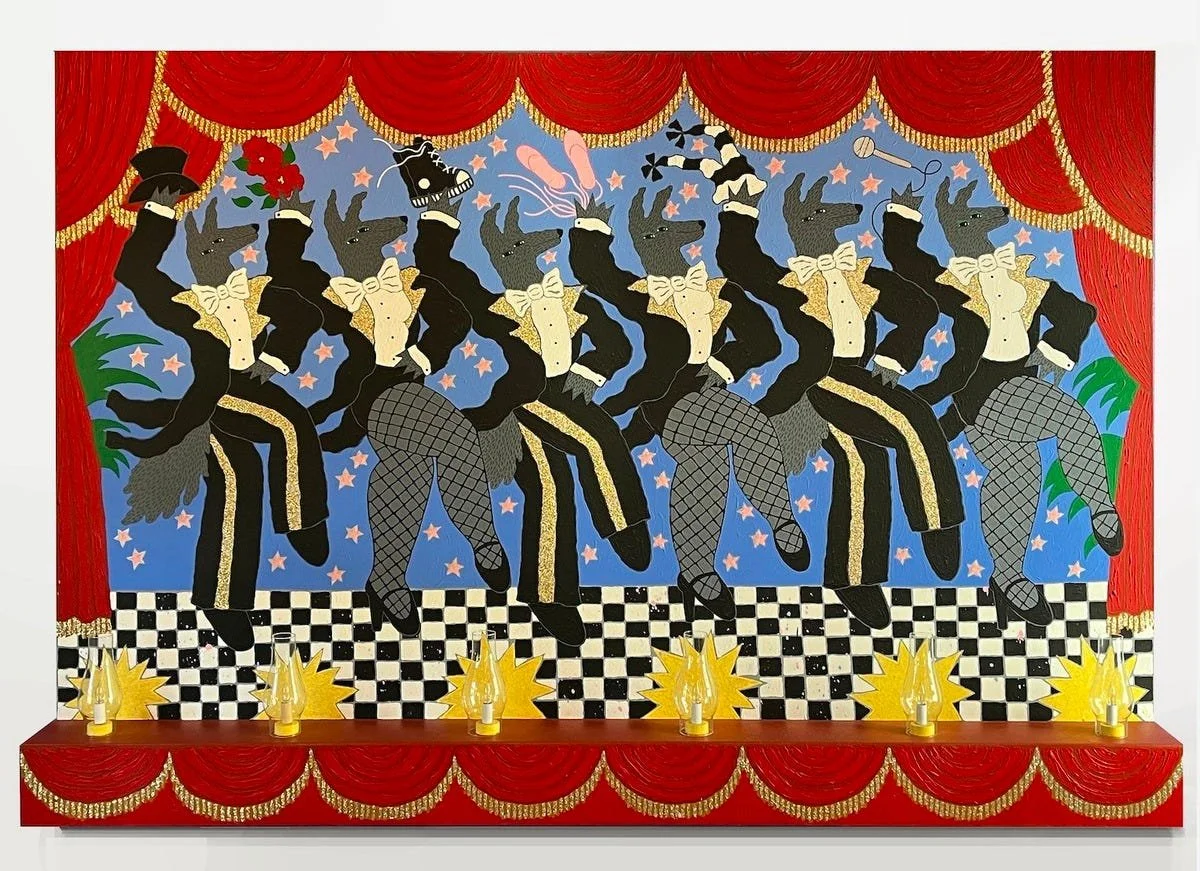
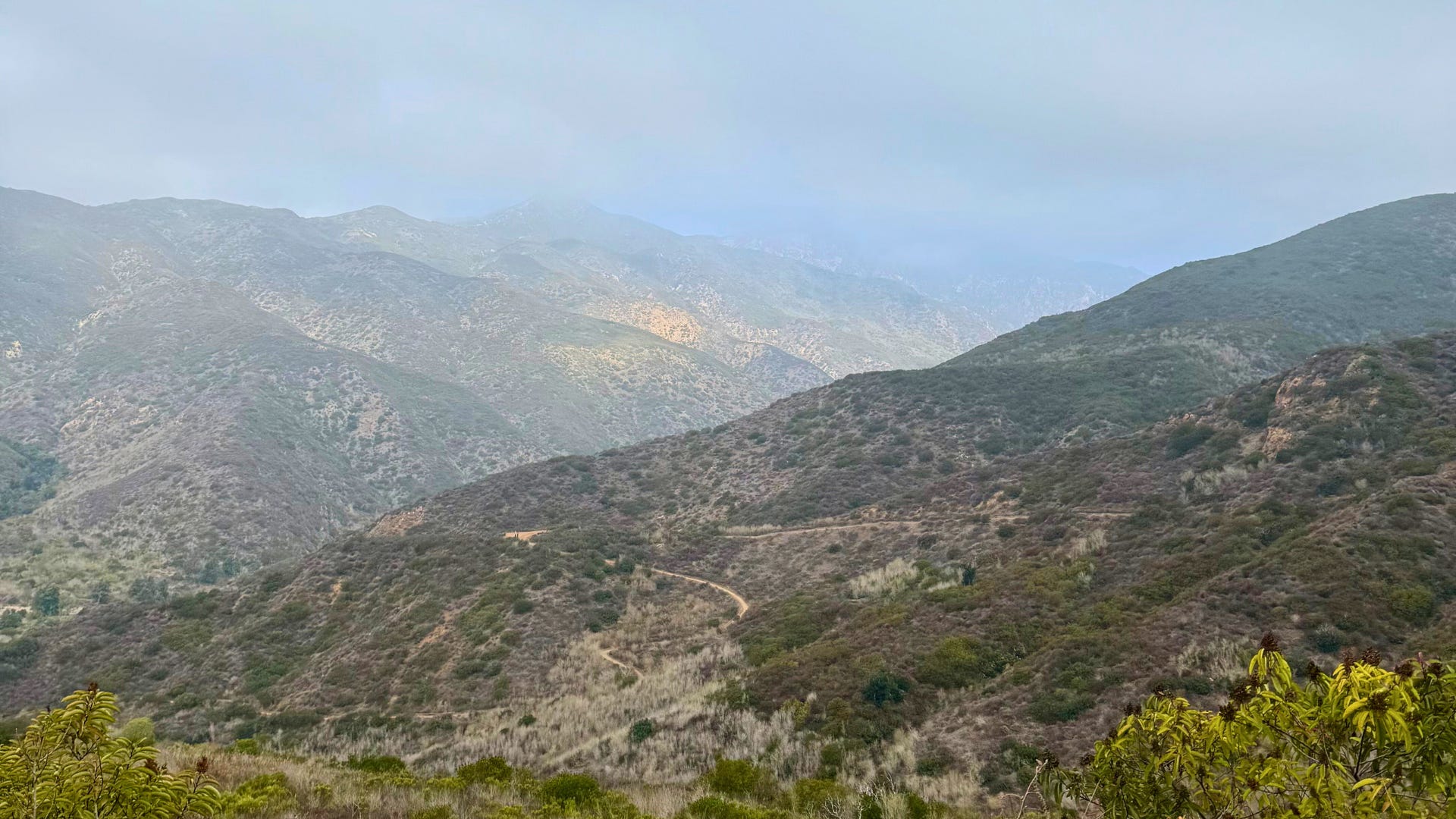
On Monday I set off on a hike just as a coyote cut across the trail and slipped into the mountains I was about to climb. I felt a nervous jolt and then curiosity. What does it mean when Coyote shows up, not just the animal, but the figure who teaches by mischief and presence? I texted my witchy group of gal friends. They replied: “Coyotes symbolize resilience, playfulness, and transformation and they can adapt anywhere and still thrive”. Okay, I’ll keep going.
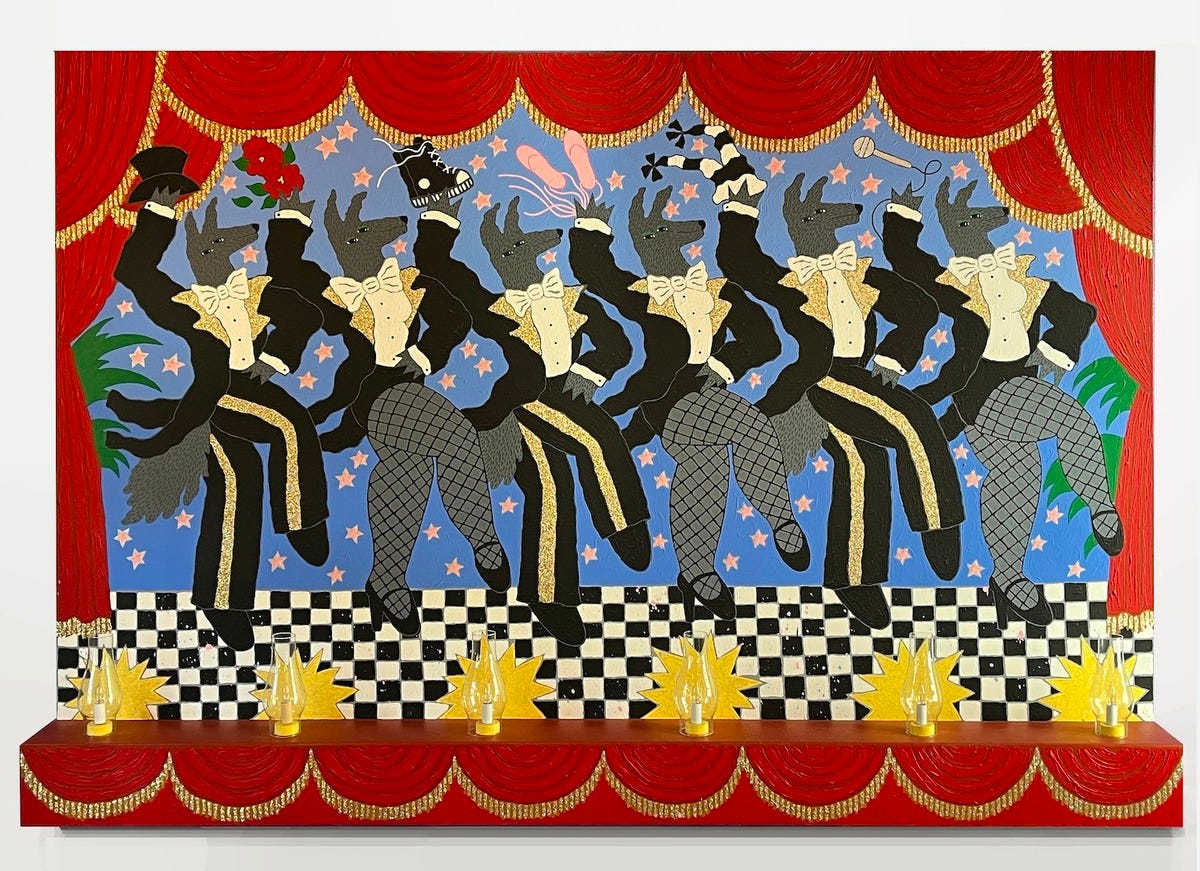
Later that day, the sighting sent me back to artworks I’d seen at Babst’s Frieze and Felix presentations by Harry Fonseca. I’ve always loved how his Coyotes feel playful at first glance, until the viewer has the time to peel back the other layers: personal, political, and satirically performative. In Fonseca’s hands, the coyote becomes a blade - cutting through what it means to be othered in your own land.
Coyotes + Native American Symbolism
Across hundreds of Indigenous traditions, Coyote appears as creator, trickster, teacher, and transformer. In Navajo stories, Coyote (Ma’ii) represents both good and evil, human and divine—an unpredictable figure who tests limits while teaching lessons about harmony and order. In other traditions, Coyote is a deity responsible for the creation of the world itself, a mirror of the full spectrum of human nature. Coyote tales form one of North America’s oldest literary canons humor as instruction, chaos as teaching. (Even the infamous Wil E. Coyote of Roadrunner fame nods to this lineage).
Fonseca’s Leap: From Ceremony to City
Fonseca (Nisenan Maidu/Native Hawaiian/Portuguese, 1946–2006) was first inspired by the Maidu Oleíl (Coyote) dance ceremony and then flips the frame. He resisted academic categories that tried to split Native art into “traditional” or “tribal”. Fonseca brings Coyote into the present: opera houses and sidewalks, club lights and brick walls. These characters performed in spaces where Indigenous people were often marginalized, asserting presence through humor, satire, and refusal to vanish.
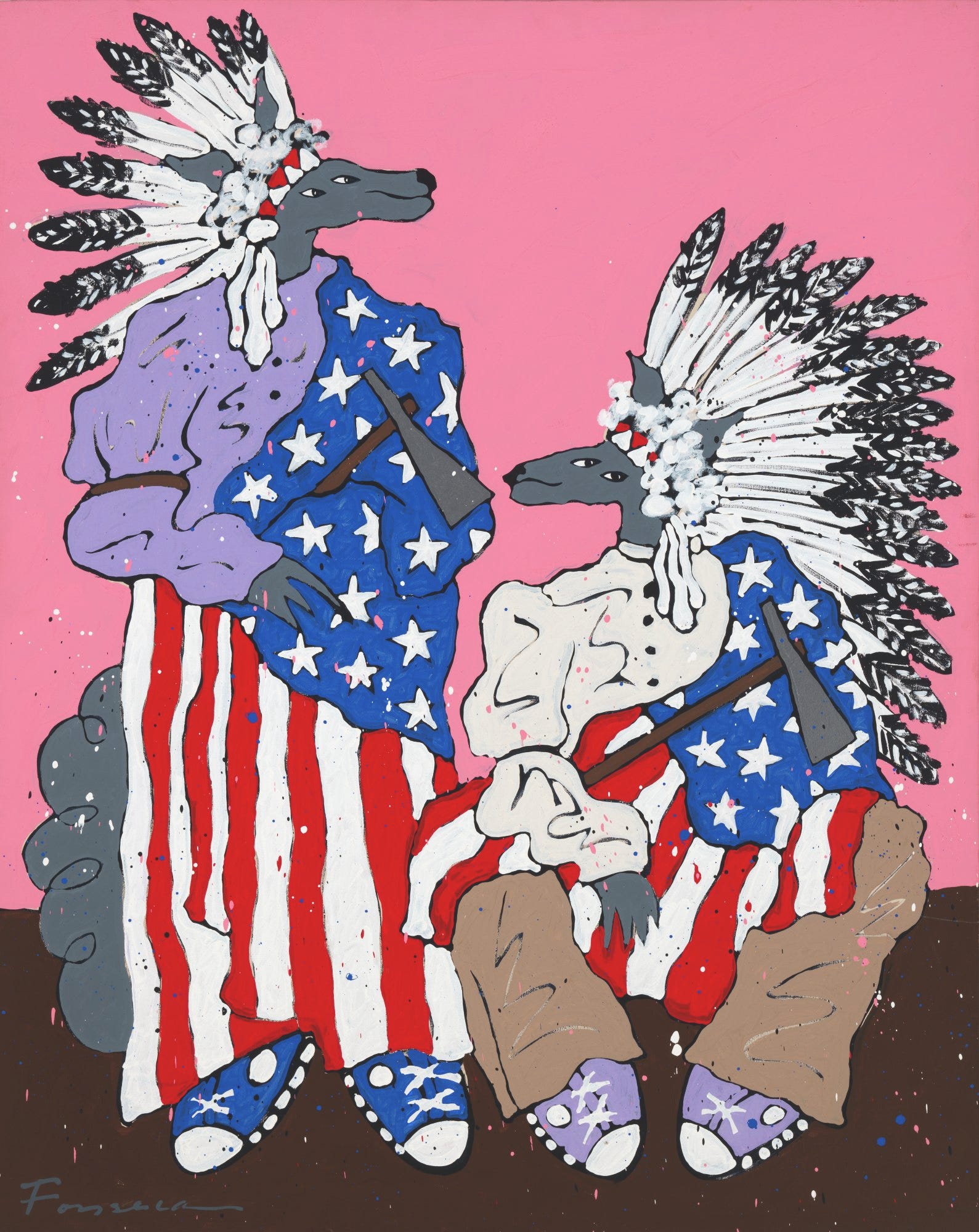
In Two Coyotes and Flags, for example, Fonseca painted two cartoonish coyote-men draped in U.S. flags like blankets, wearing Plains-style war bonnets and sneakers against a bright pink backdrop. The imagery cleverly critiques American stereotypes of Native people: the Plains war bonnet (sacred to some tribes, but not Fonseca’s Maidu) is used satirically to represent how America flattens Native American identity. By literally wrapping Coyote in the Stars and Stripes, Fonseca turned the flag into a subversive tool, questioning notions of patriotism and identity. The bubblegum-pink color and dripping paint in these works nod to Pop Art and faux-antique photography, further emphasizing how images manufacture myth.
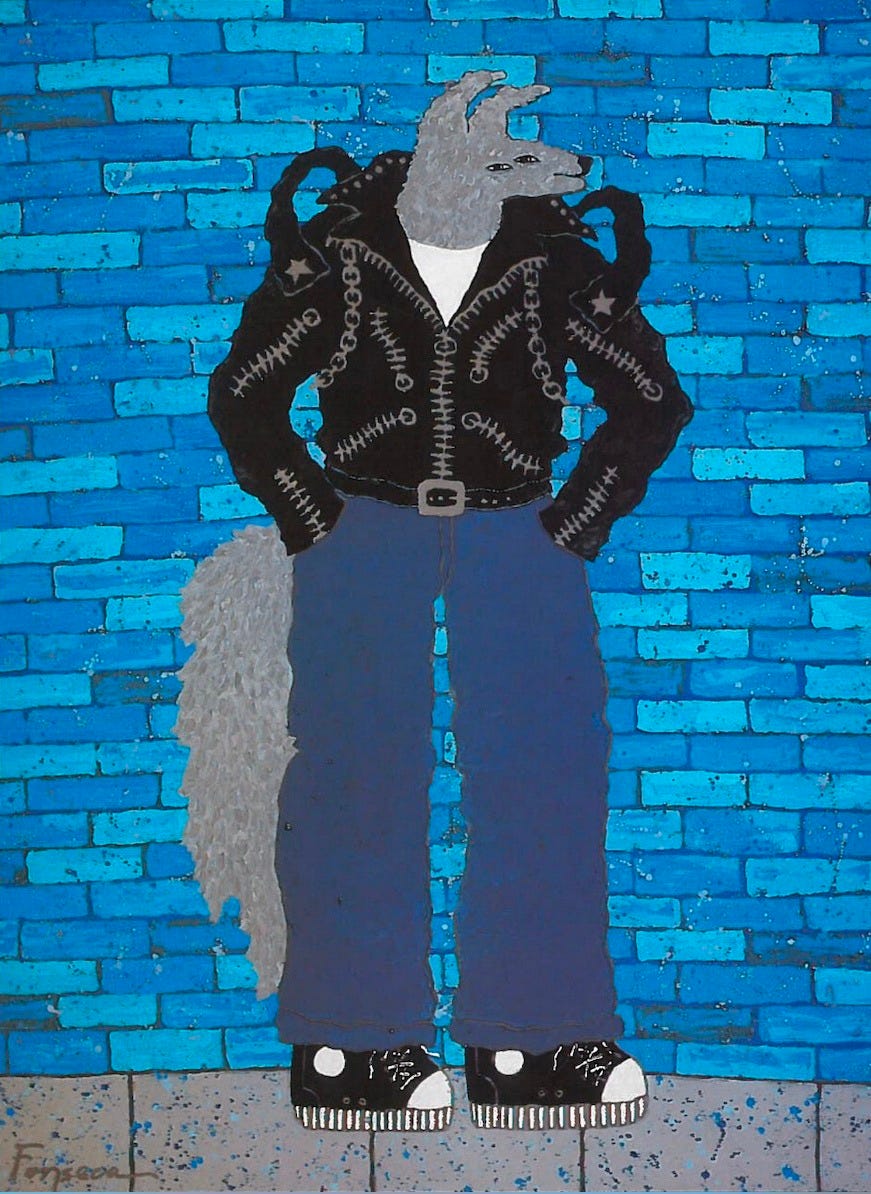
Elsewhere, Fonseca codes the present in other ways. In “When Coyote Leaves the Res N.Y. N.Y.”, Fonseca depicts Coyotes in a leather jacket, “Castro clone” jeans, white tee, and converses - the uniform of urban youth and queer culture.
Coyote, the ultimate shapeshifter, was the perfect surrogate for a man who was Native and Euro-American, tradition-grounded yet modern, and openly gay. As researcher Roxanne Beason notes “[Fonseca] identifies with the coyote because he can take this stereotype and fool the average viewer”.1
A Wider Chorus of Coyotes
Fonseca isn’t alone in keeping Coyote alive in contemporary art.
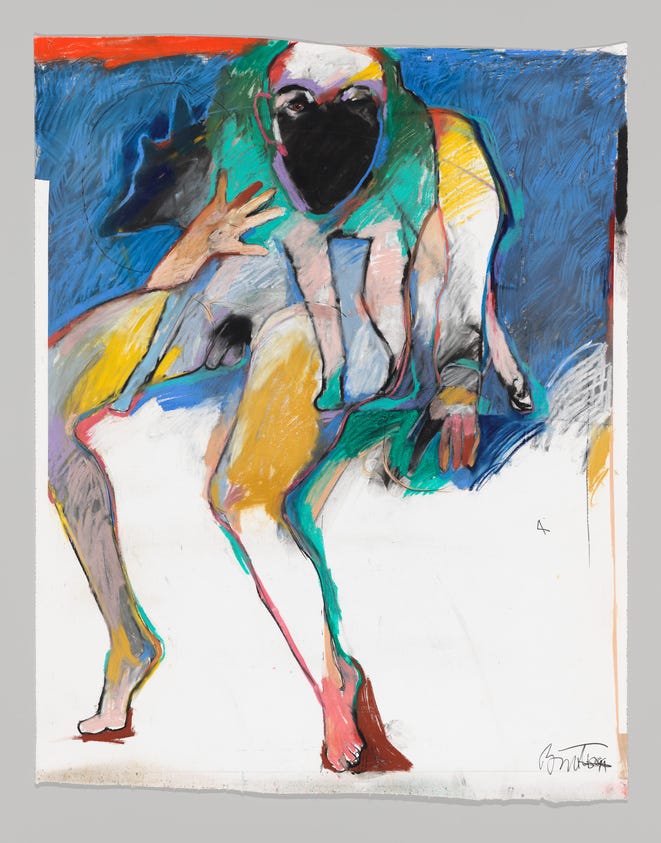
Rick Bartow (Wiyot, 1946–2016) folds the figure into metamorphic self-portraiture—Coyote Going (1999) carries the feeling of identity in motion.
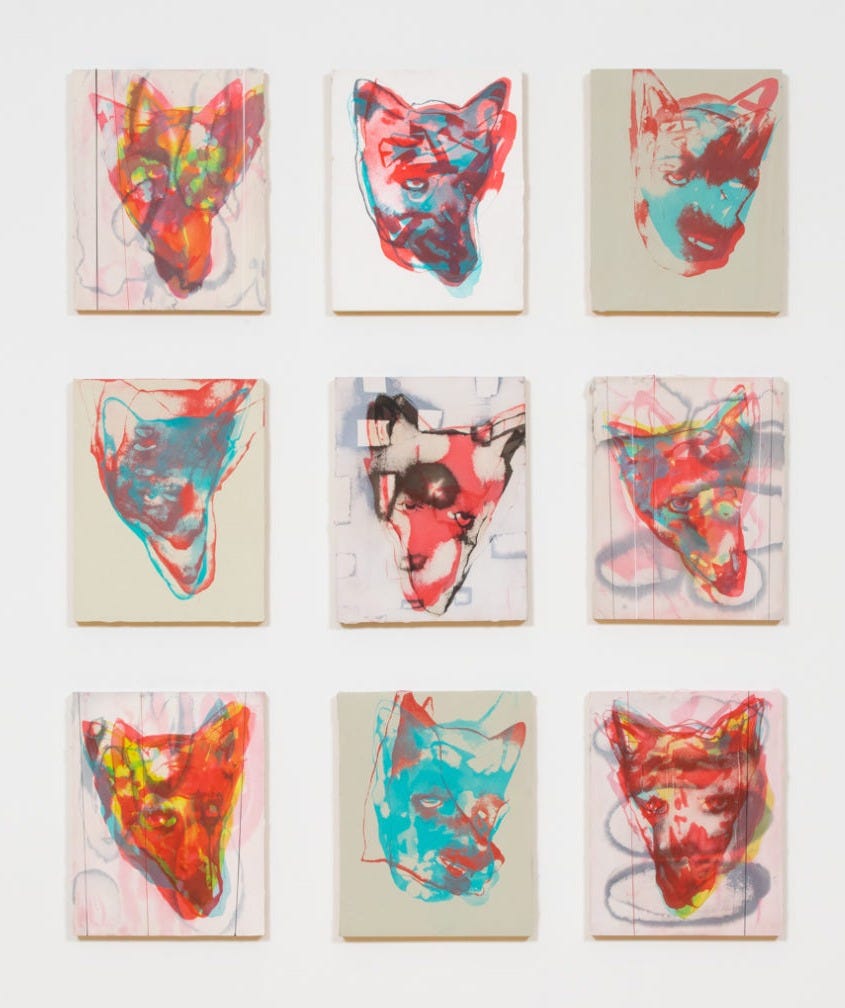
Duane Slick (Meskwaki/Ho-Chunk) plays with the ideas of the coyotes shapeshifting mythology through with modern abstract lens. The Aldrich survey The Coyote Makes the Sunset Better gathered 90+ of Slick’s works.
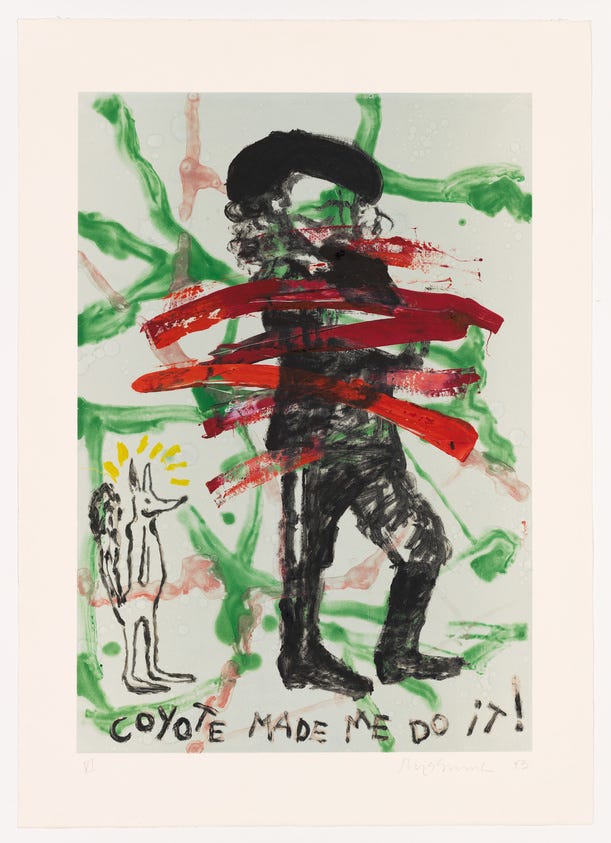
Jaune Quick-to-See Smith was one of the leading voices in merging the work of contemporary art and traditional Native American stories. Her retrospective at the Whitney Museum in 2023 brought together five decades of her work, which was rooted in, “examining contemporary life in America and interpreting it through Native ideology.”2 While her work is not solely focused on depictions of Coyote, the foundation she laid paved the way for contemporary Native American art.
Back to the Trail
When that coyote in Malibu slipped into the chaparral, I kept thinking about tricksters teaching by misstep, about performers who smirk and then tell you something deadly serious. That’s what Fonseca’s paintings keep doing for me—inviting a laugh, a second look, then a reckoning and release.
"I don't think the Coyote mythology will ever dry up," Fonseca shared in a 1987 interview with The Museum of California3."It's been around so long. It opens like a Pandora's box. There's something about the Coyote mythology that is so appealing that you don't see other things at times, and there are other things that are important and delightful. But this darn Coyote goes everywhere".
Fonseca’s work feels relevant, especially in this current moment: Coyote keeps finding new angles to show us, and new ways to bite.
If you’re in Los Angeles this fall: Babst Gallery, who represent the Fonseca estate, will stage a retrospective November 15–December 20, 2025 at their Fairfax Avenue space