Interview: Ceramicist Issac Diaz
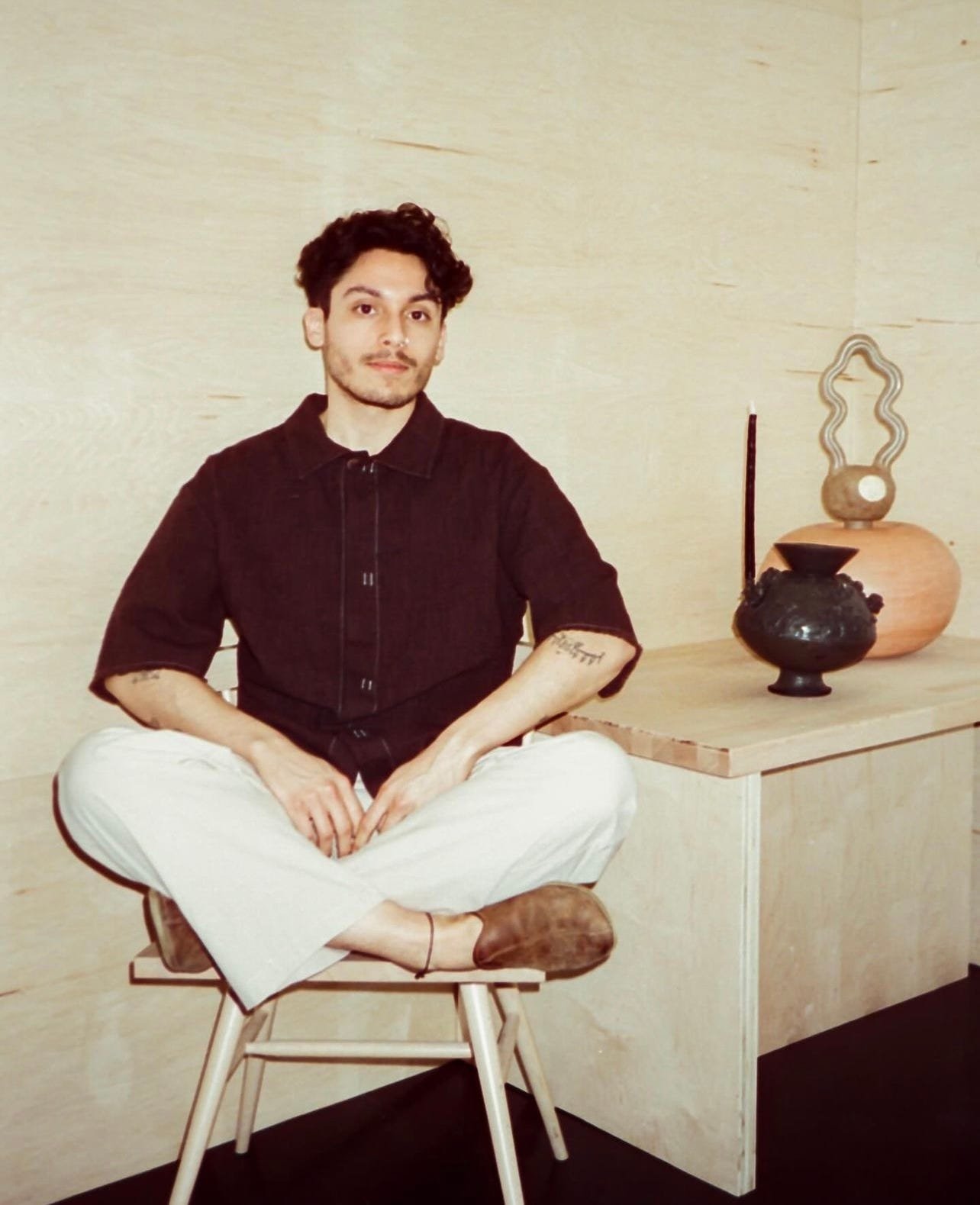
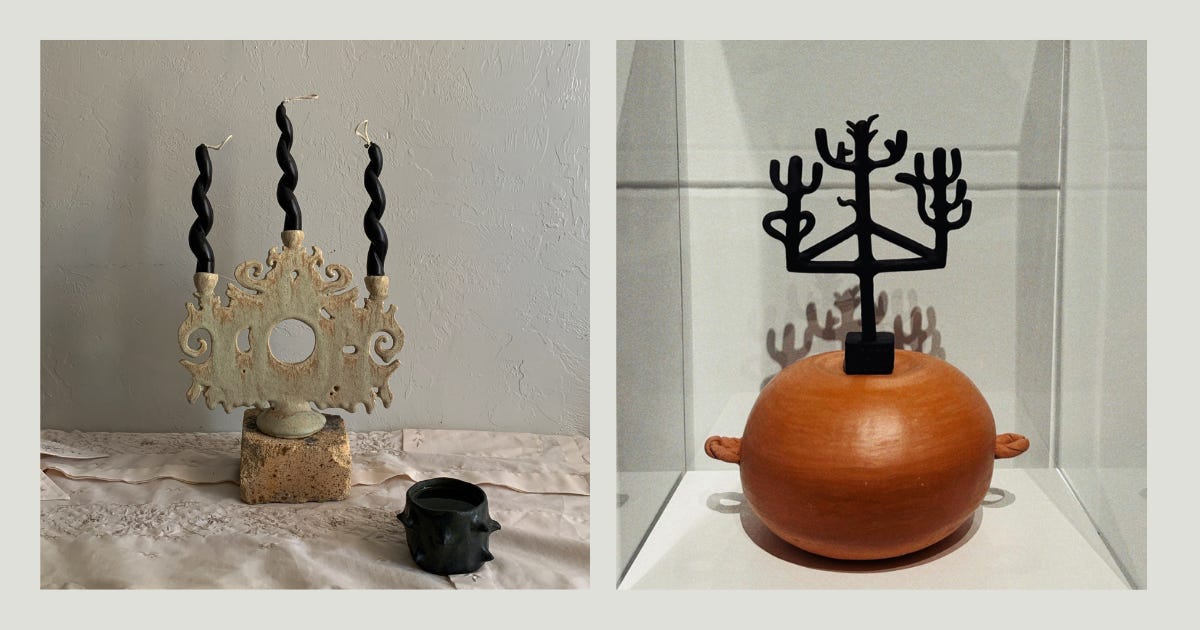
I came across Issac Diaz’s coupes and ornate candelabras at a holiday market last winter. The pieces toed the line of being rooted in stories of the past with an edge—raw finishes and clear signs of perfectly imperfect human touch. I asked the owner who made the pieces and when she shared the artist was living in Oklahoma and had Salvadorian heritage, I knew I needed to reach out.
Months later, Issac Diaz and I got a chance to chat about his art, journey, and what makes his pieces so uniquely his. Below is an edited version of our chat, from falling in love with ceramics to connecting his past to his present and so much more.
I read you first studied interior design. Let’s start there and how it led you to your current practice.
As a child, I was always drawing and crafting. As I got older, my family suggested that if I wanted to be creative, I should do something useful. So, I enrolled at the University of Oklahoma for interior design since I enjoyed styling spaces. However, after a year and a half, I realized it wasn't freeing or creative enough for me. That's when I decided to pursue art school instead.
While studying interior design, I explored textiles in my free time and tried incorporating them into my projects. I looked at a lot of Mayan and Aztec textiles and started weaving on my own with a small hand loom. Despite my efforts, I always felt my ideas weren't fully developed in that medium.
In art school, we took introductory courses in various materials – sculpture, painting, and ceramics. When I took the ceramics class, I just knew this was what I wanted to do.
What initially drew you to explore Mayan and Aztec textiles?
I’m half American and half Salvadorian. My dad's family mostly still lives in El Salvador, so I spent most of my time in Oklahoma City with my mom's family. My first visit to El Salvador at age 12 was difficult; I felt out of place. But with each summer visit, I began to appreciate it more.
I discovered that my grandmother's first language wasn't Spanish; it was Nahuatl, and she was one of the last speakers. Realizing this was enlightening, helping me understand who I am and where I come from. I started researching more about my heritage to share and preserve our culture because, particularly with indigenous cultures in the US and Americas, a lot of it is lost. At the same time, much of it survives and evolves. I want to be part of that evolution.
How did you shift from textiles to ceramics? How did you bridge those world together if at all? Did it feel natural to shift to this new form?
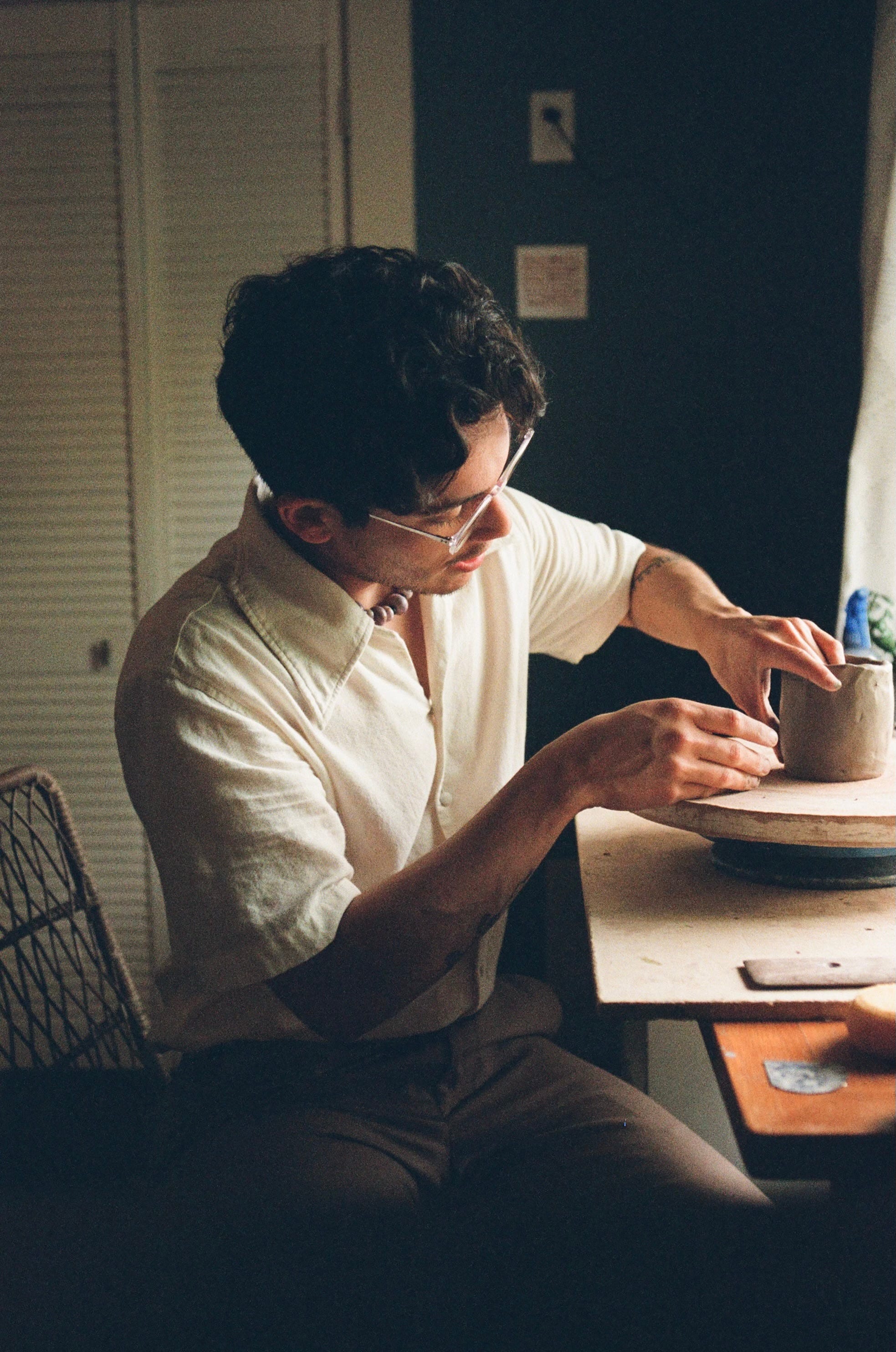
My approach to both textiles and ceramics was similar. I didn’t like perfect, clean lines, so my weavings were always a bit wonky and rough-looking. My ceramics reflected that too. I preferred using my hands over structured wheel-thrown pieces, which felt more natural to me.
What is your favorite piece?
My first real ceramic piece. It was the first time I made something that impressed me, coming from a special place within. It inspired other similar forms. So many people have asked to buy it, but I'm not interested. Recreating it never feels the same.
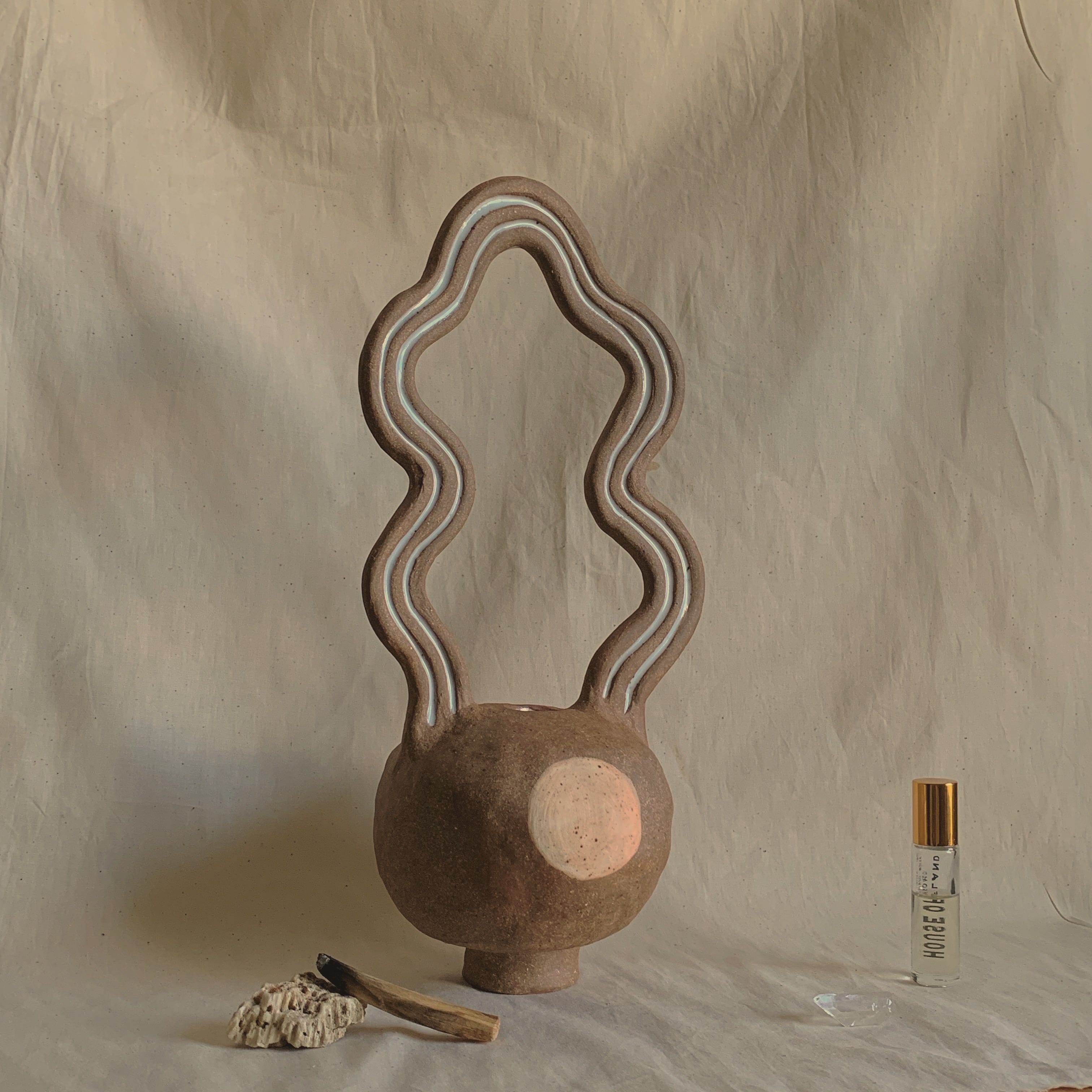
It's just not meant to be. I saw it online and was taken by it too. Beyond your own work, I've seen your curated collaboration of Latinx artists, Naranjo Naranjo. Can you share more about that?
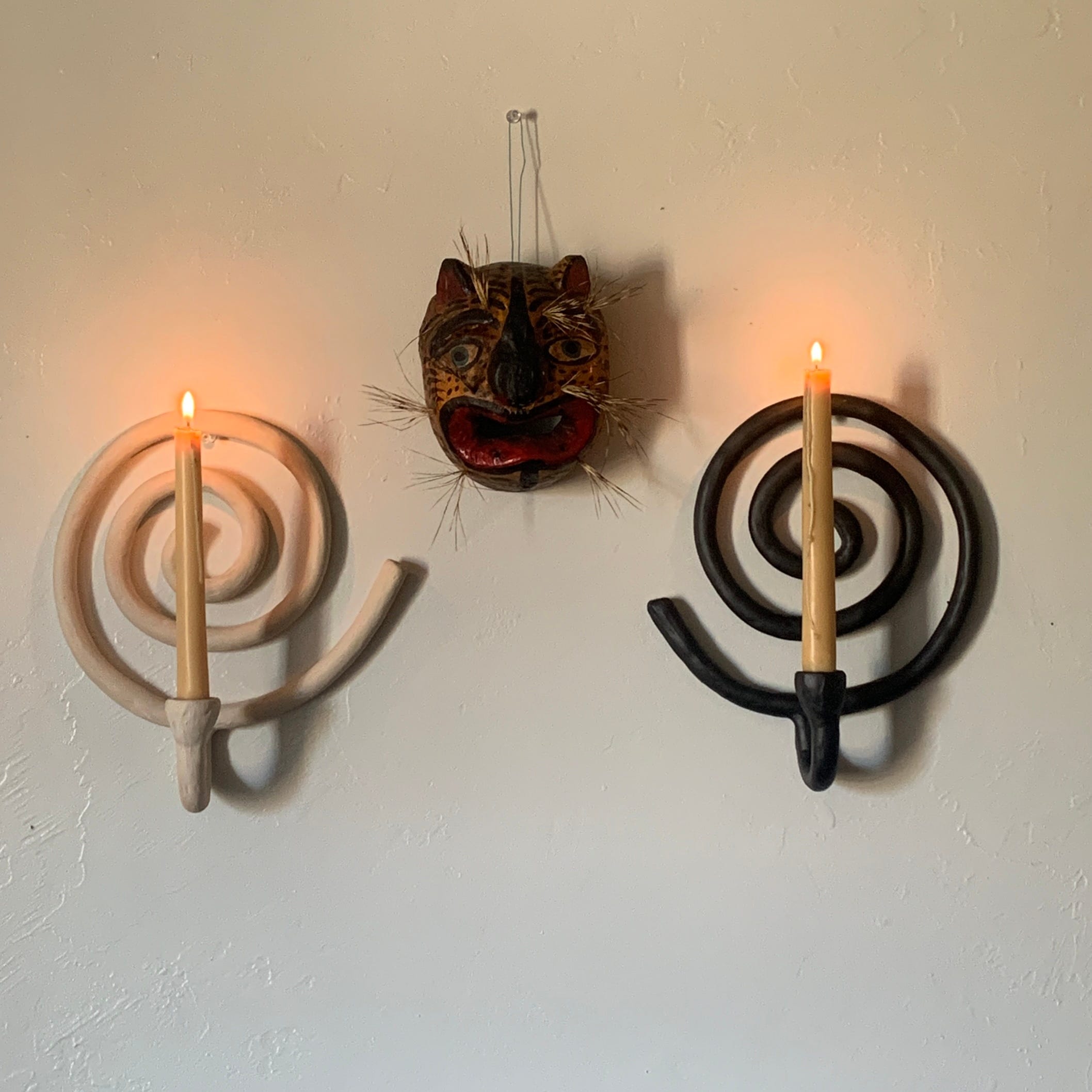
Over the past three or four years I've traveled a lot on my own in Latin America. I am such a collector of little trinkets, which I carry history and are now remade [for a new use]. I collect candles, and Mexico is a great place for weird ones. I created ceramic pieces to hold candles and thought I could sell those alongside items made by friends. This evolved into Naranjo Naranjo.
In Oklahoma, people always think cool things can't happen here. Many believe they have to leave to go pursue such projects. To an extent that is true, but I want to do it where I'm from and live. I source artists and craftspeople from Latin America to bring something unique to a place that doesn’t often see such things.
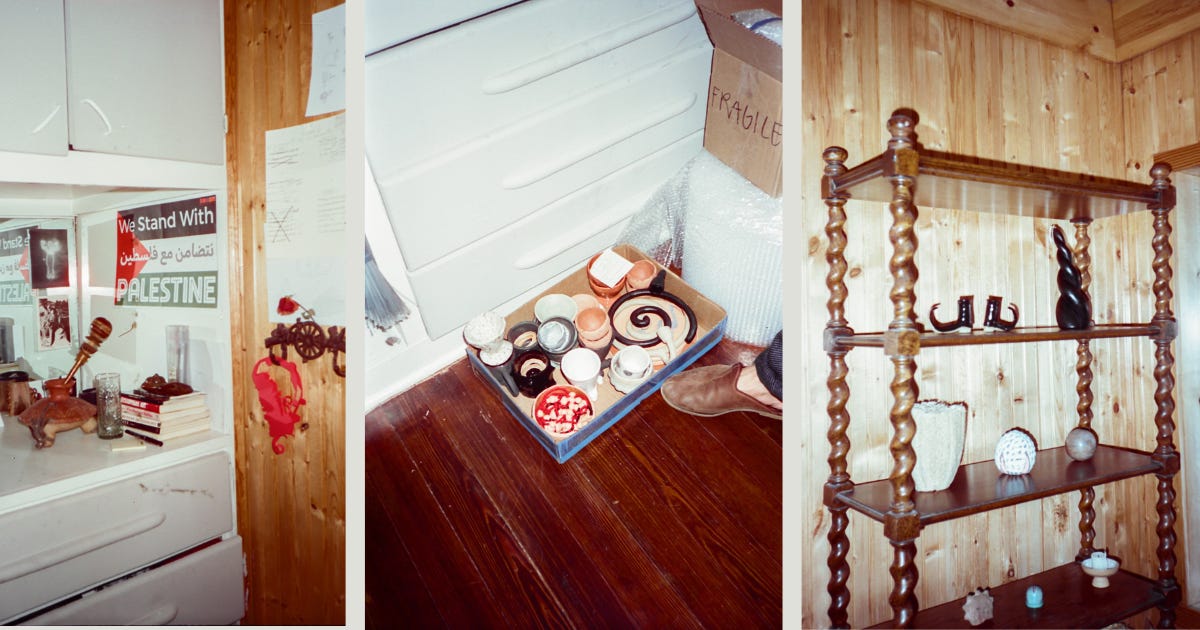
Your brand, Uoqaus, is stocked at stores in the U.S. and Mexico. When did you sign your first wholesaler? Who was the first person that was like I love your work and we need to sell this!
It was 2020 in the middle of the pandemic. There was a store that used to be in Oklahoma City and they asked me to make 12 mugs. And I was like, "12 MUGS?!". I did it and they sold out in two days which was crazy. And they asked me to do it again and again which was really cool and was definitely a moment where I was like, I guess somebody wants my stuff.
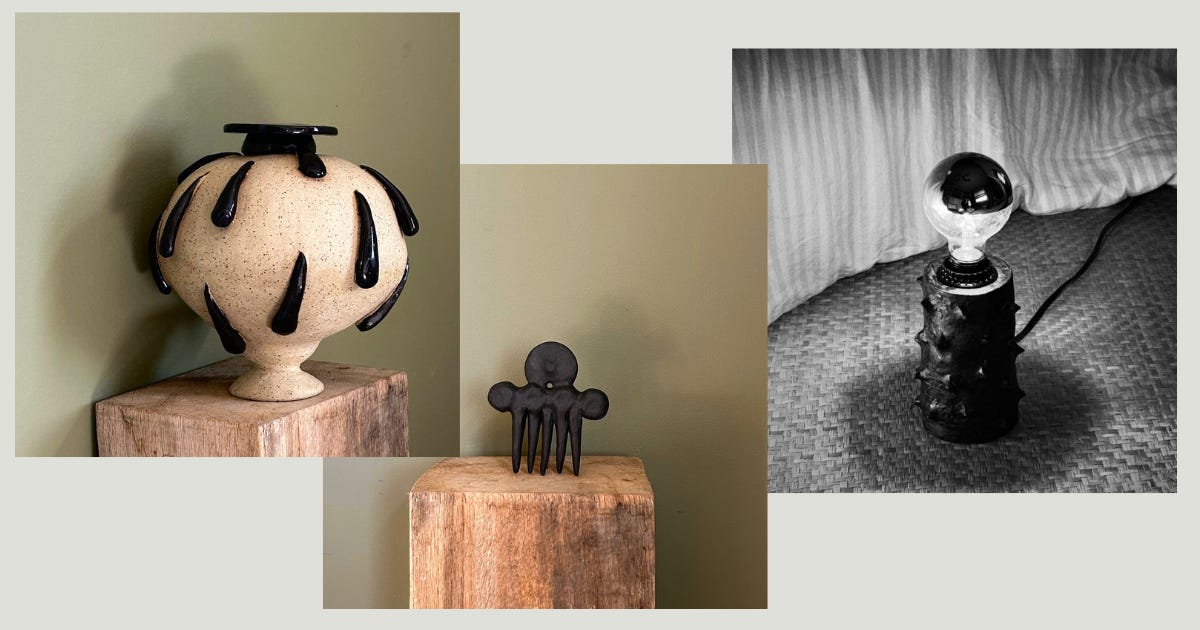
What can you share up the upcoming collection [Edit: Diaz’s new collection went live on May 3rd - shop it here]?
I've been looking at a lot of volcanic imagery. Volcanoes are important to Latin American culture and feel very motherly. This collection is reactionary. It's a reaction to what's going on with the world particularly with the Palestinian people. This collection is a release of anger, but also just allowing yourself to feel the anger.
I've also been looking to a lot of Hindu goddesses like Kali, because she is seen as very angry and warlike, but there's a lot of beautiful meaning to her form and how she looks. She is typically portrayed with dark skin and black hair, embodying a necessary fierceness.
What else are you looking forward to this year?
I was primarily living off of the savings of my work which was good, but I noticed I was living paycheck to paycheck. I need more money to fuel future projects. So I've taken up a job as an English teacher. It has actually been inspiring working with kids and building structure around work and my own creative space.
You can shop Issac’s pieces here and follow his journey and find all of his inspiration on Instagram @uoqaus. Thanks, Issac!