The Goods #4
Welcome to The Goods, a monthly list of things I’m excited about and interested in across art, fashion, trends, and more.
This edition of The Goods unfolds under an emerging theme rather inadvertently: the concept of 'world-building.'
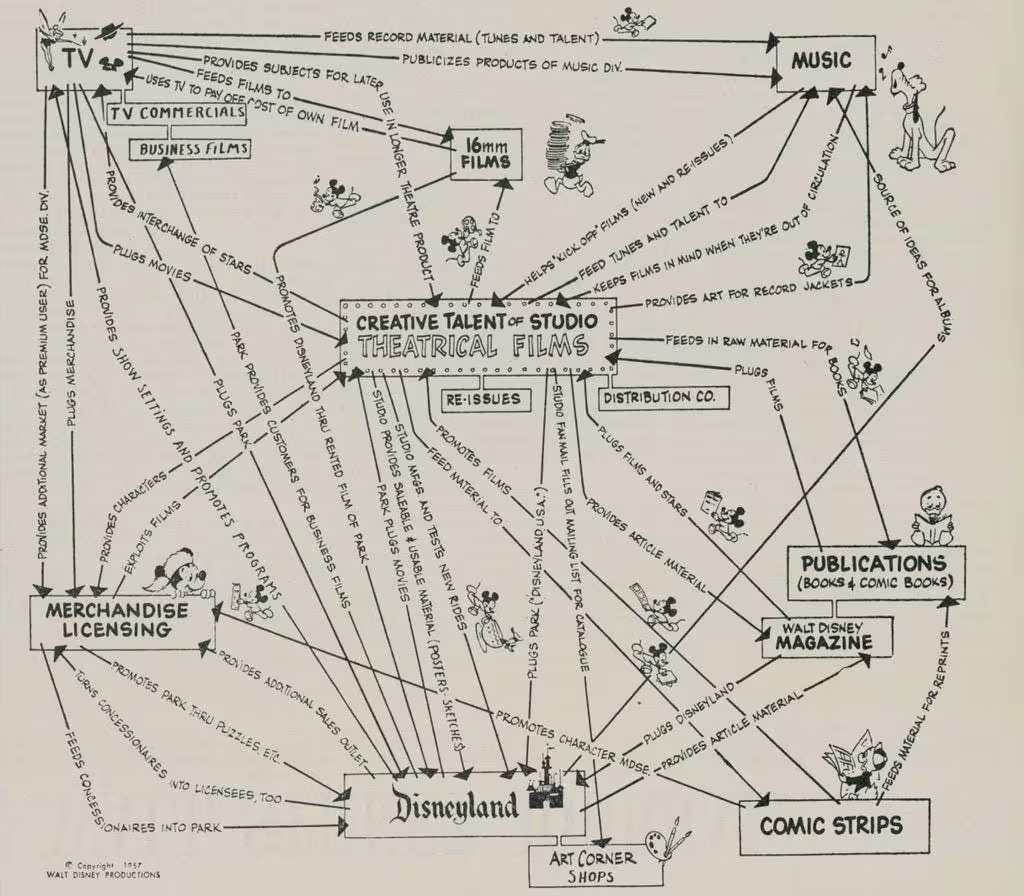
World-building a familiar concept in sci-fi and fantasy books, gaming, and of course, superhero franchises, has now extended across content from creators to brands. As shared in her insightful two-part essay on the prevalence of world building in Dirt at the end of 2022 (which is phenomenal and well worth a read):
It’s the latest marketing development for our content-congested landscape. Everything has to be a holistic story, even a product or an advertisement. A character with a singular narrative has limited branding potential. A world, by contrast, offers infinite possibilities.
In this issue of The Goods, from Rei Kawakubo's avant-garde fashion narratives to the imaginative realms of museums and AI, there are hints of how creators construct their unique worlds, inviting us to explore, understand, and sometimes even challenge our perceptions.
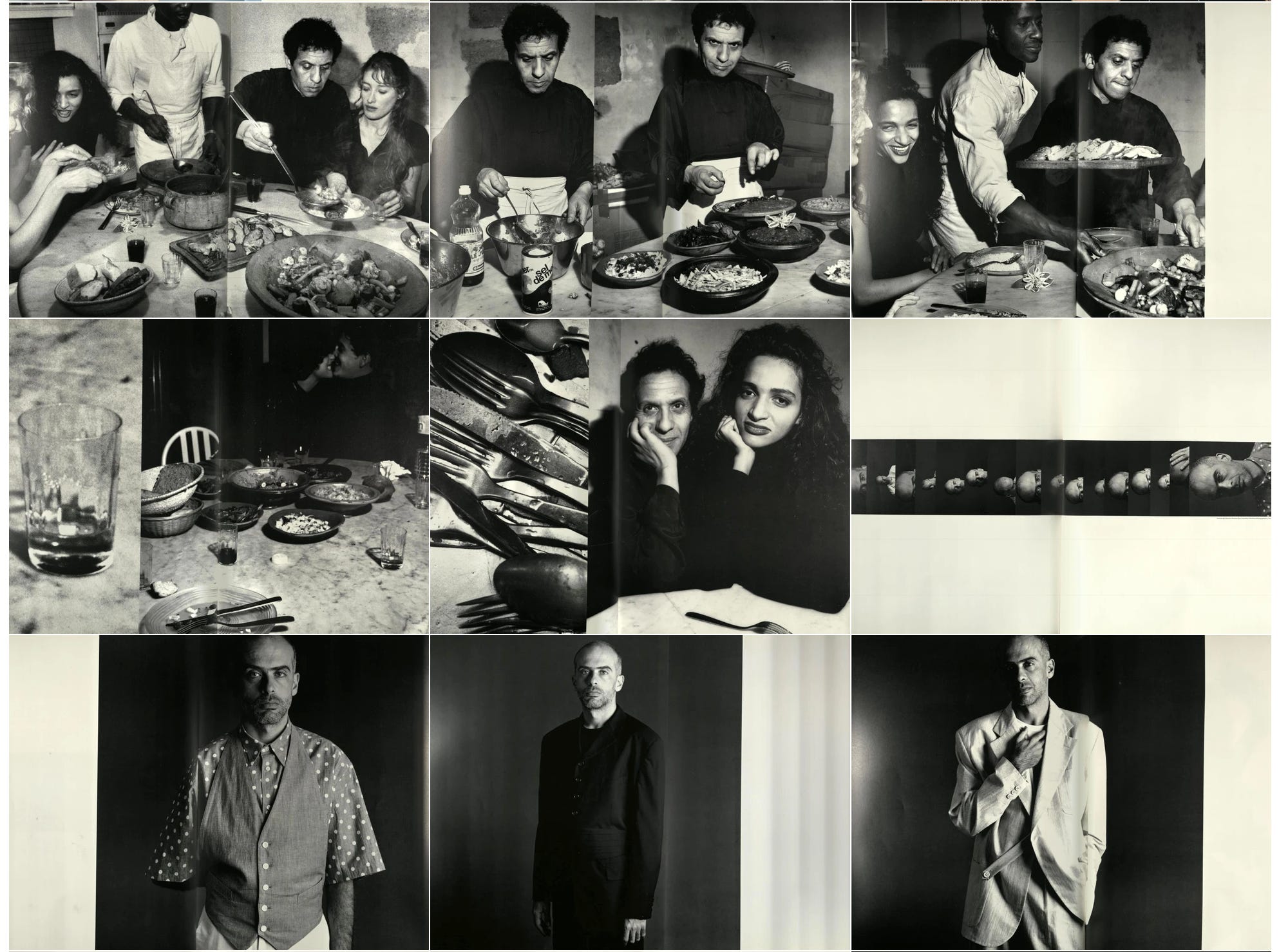
Comme des Garçons Fashion Mag Archives via Archive.PDF
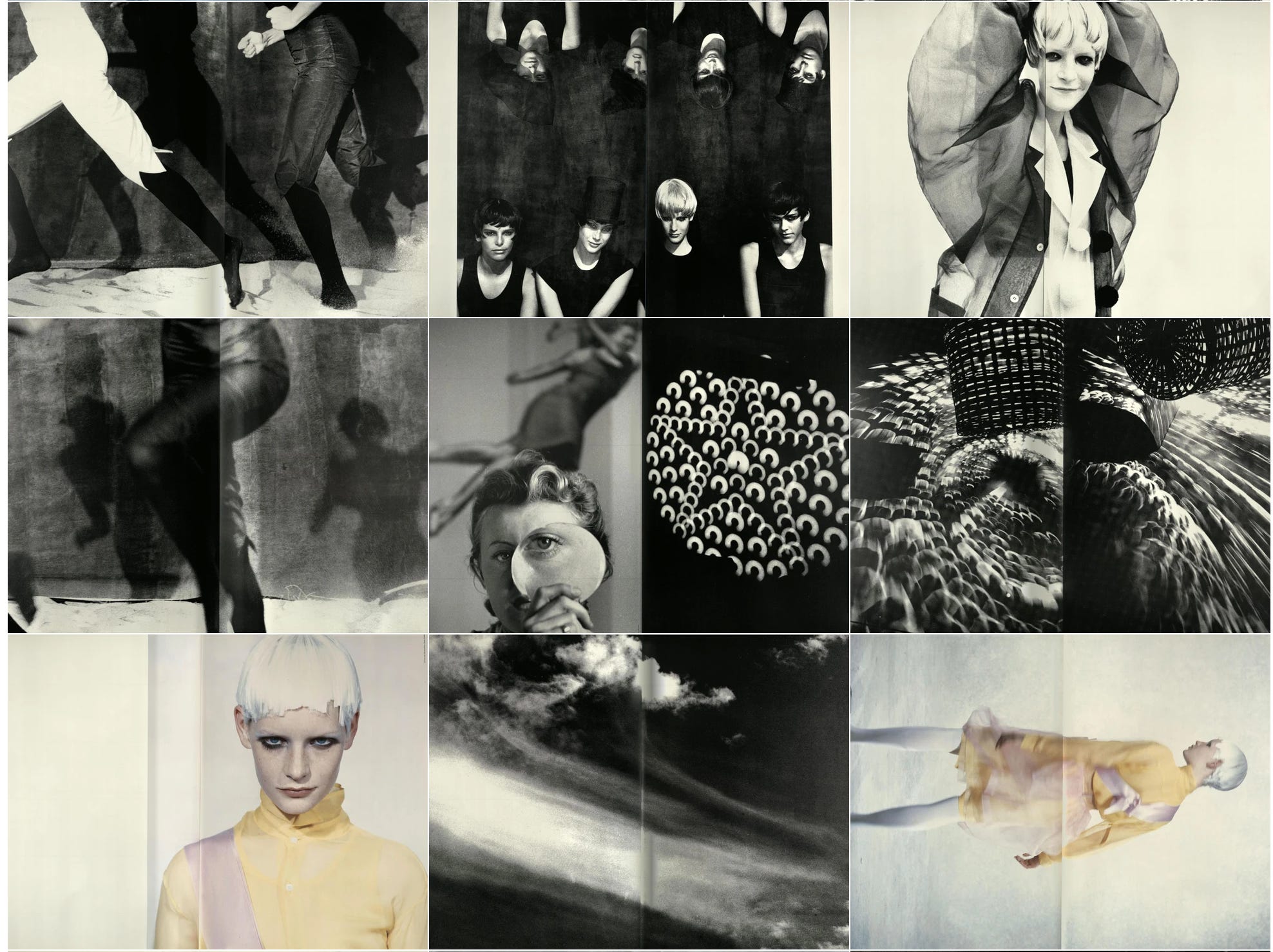
Archive.PDF is a free online fashion archive that curates rare fashion books, interviews, and articles. It’s a treasure trove with a whole space dedicated to the avante garde brand Comme des Garçons. Also known as CDG (and French for “like the boys”), Comme des Garçons is designed by Japanese self taught designer, Rei Kawakubo and always on the top of my vintage shopping list.
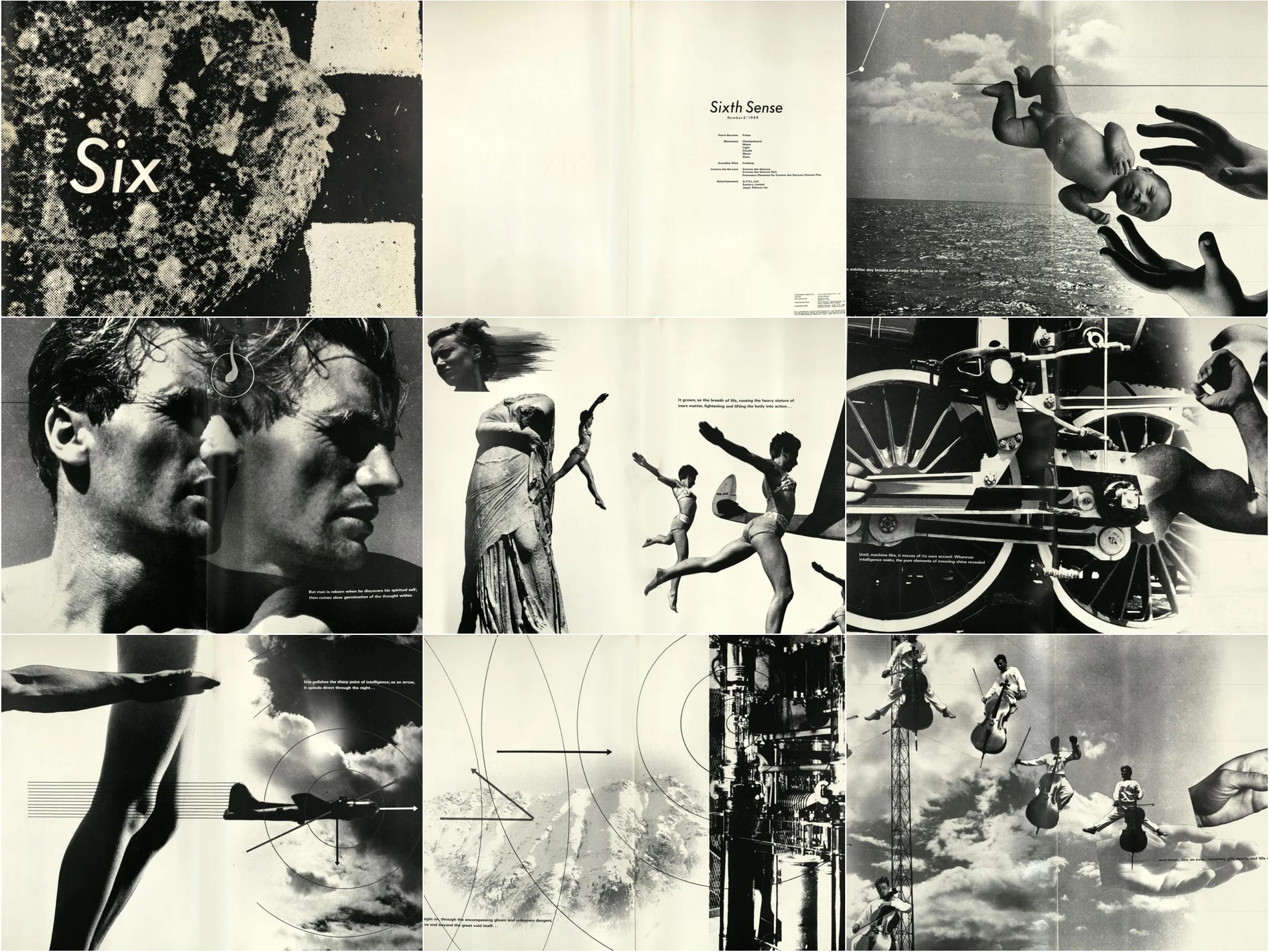
CDG launched a biannual magazine, SIX in the late 80s that Archive.PDF described the magazine as a, “masterful execution of fashion world building couldn't have been fully expanded upon without the catalyst that was the SIX Magazine. Created in 1988, SIX served as a breeding ground for experimental branding with a small twist: the branding rarely (if ever) involved Comme des Garçons’ own clothing”.
It's a content strategy that predated brands thinking of it as a means to an end. CDG has always been well ahead of its time on multiple fronts and these archives are a delicious taste of what Kawakubo has created.
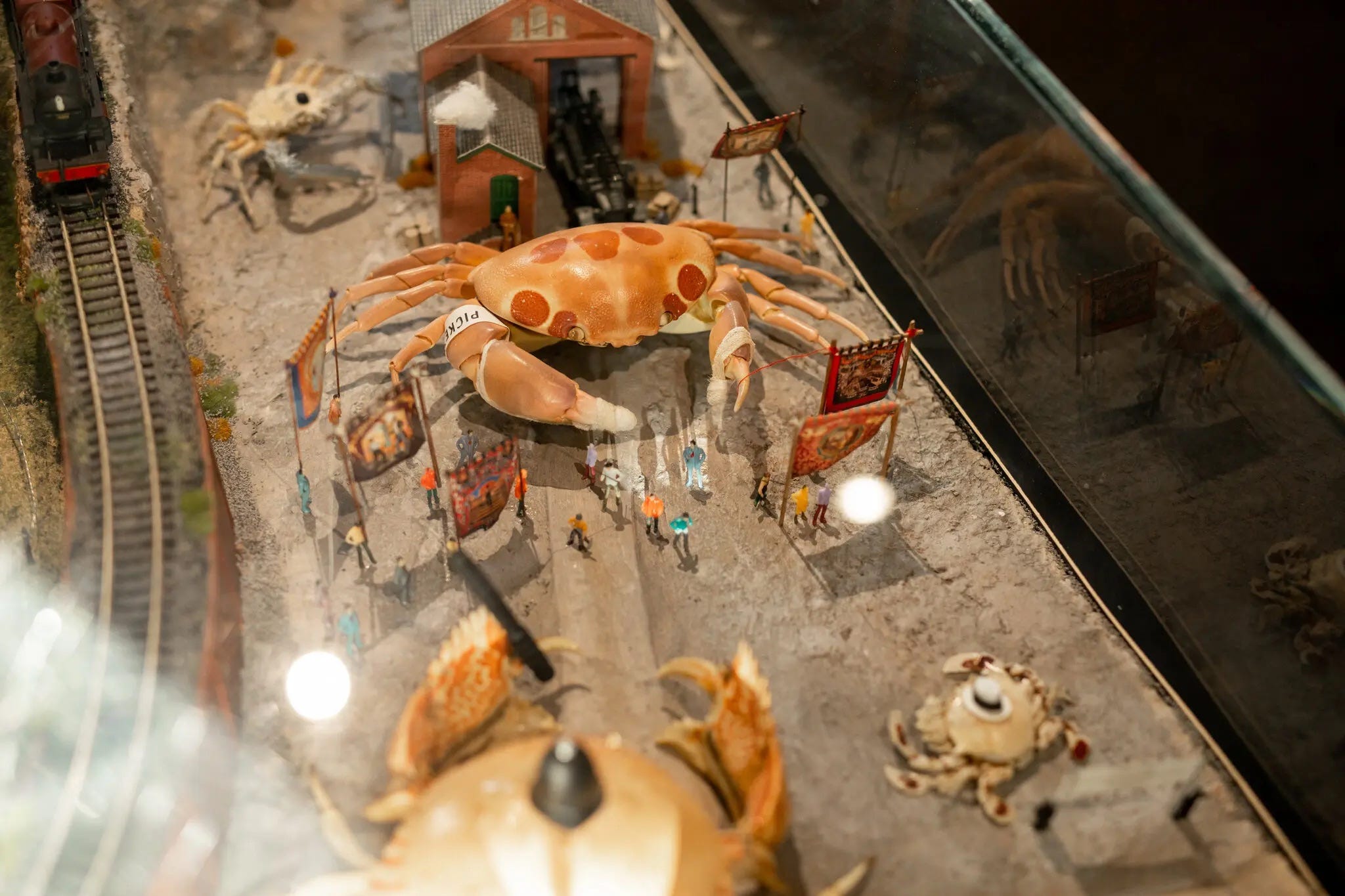
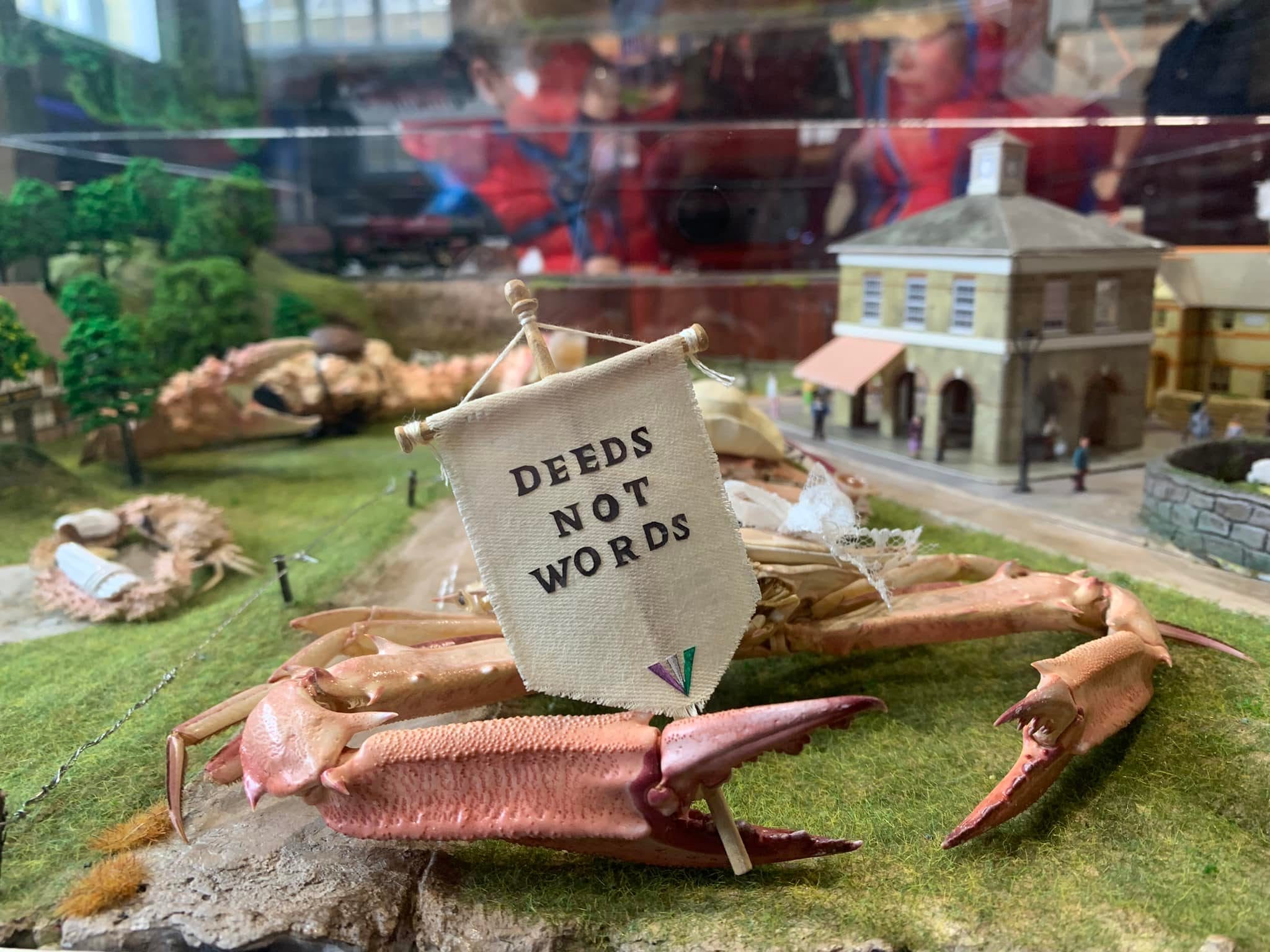
Margate’s Crab Museum
The Modern House is a British real estate agency that crushes the aforementioned content strategy game with a swoonworthy newsletter and podcast featuring incredible homes and creatives in the UK (my favorites here and here). Margate, a seaside British town bustling with art and culture, has popped up a bunch of times with a full guide reveling in its beauty.
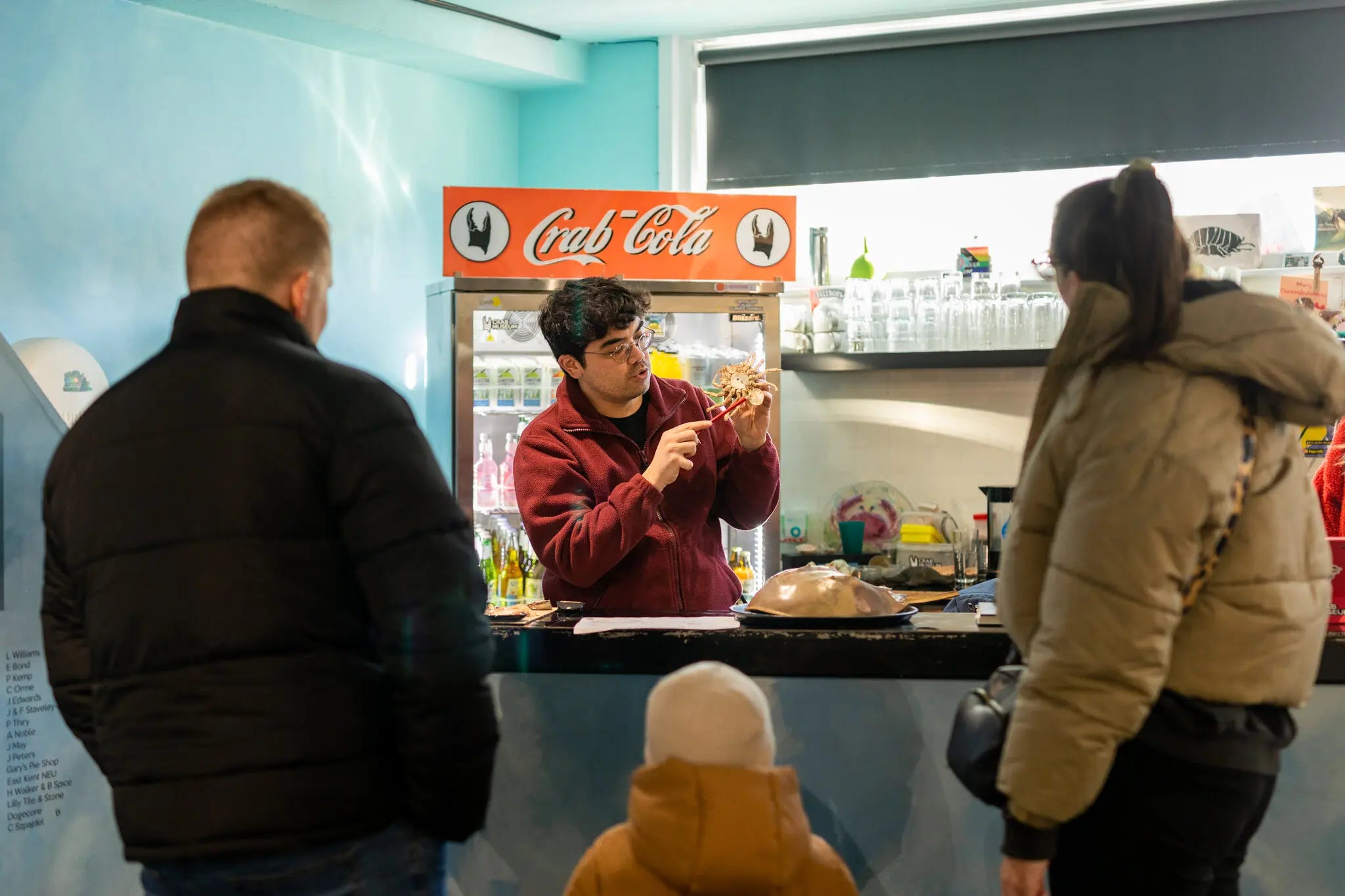
That said, one museum that hasn't received enough credit is The Crab Museum. The museum started as a fun way for the founders who have a background in children’s magazines to discuss political messages they cared about, like climate change and capitalism through crabs. The ethos of the museum is that “everyone learns better when they’re laughing” per co-founder, Ned Suesat-Williams.
As described in a recent NYT feature, “The more serious displays include postage stamps from former British colonies that featured depictions of crabs, displayed next to wall text discussing imperialism, and a cupboard labeled “Truth Inside! Do Not Open!” that contains text asserting that capitalism has warmed the planet and is threatening ecosystems”.
As a mom of two young kids who has spent many a afternoons in children’s museums, this looks delightful, hilarious, and the perfect world to immerse my family in.
Yummy, by Elizabeth Renstrom
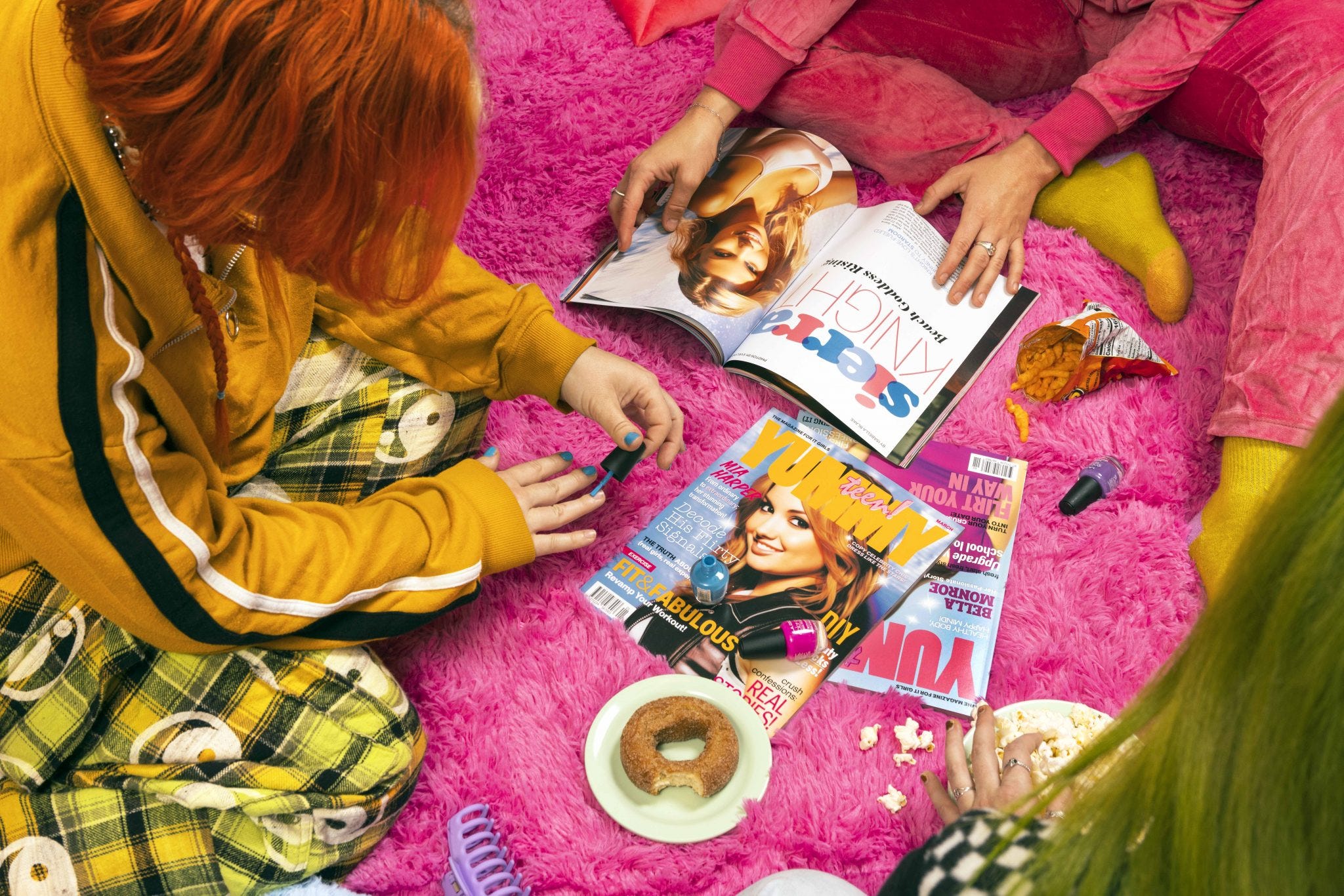
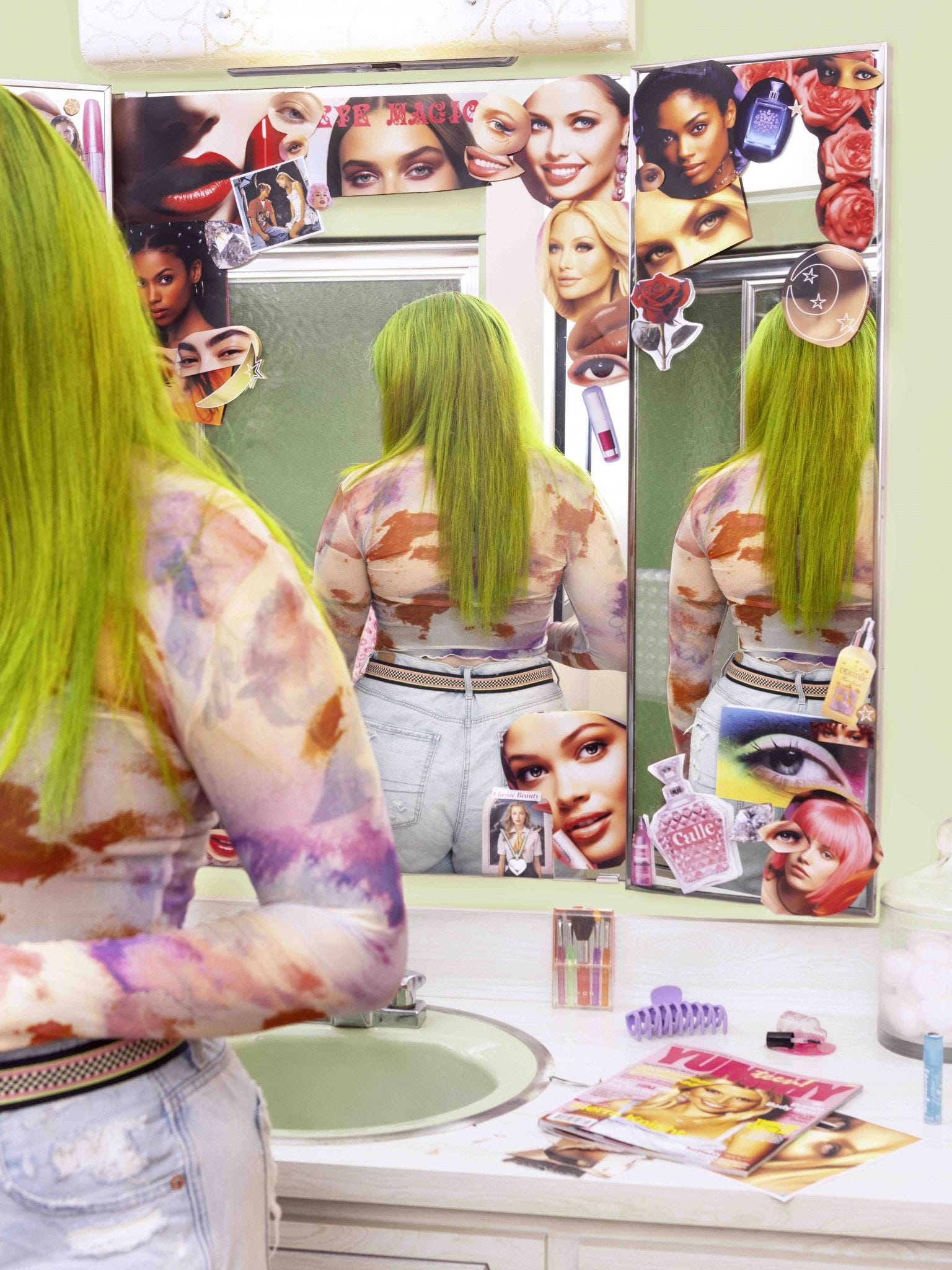
2023 was crowned the Year of the Girl between Barbie-mania, Swifities, and Girl Dinners. Last year was also the year that AI took over tech and culture circles prompting fear, excitement, and confusion. The exhibit, Yummy, by artist Elizabeth Renstorm explores the intersection of both of these in a way that only Millenial women can fully appreciate - the glossies of our teenage years.
The cornerstone of the exhibit, Yummy, is a fictional teen magazine created by an AI model trained on teen magazines such as YM, Seventeen, and Teen Vogue. The output is a scathing look at the images that we saw as girls - photoshopped perfection with spiky-haired boy crushes like Ethan Summers and Logan Rivers. Some worlds are made to be broken.
On view at Baxter Street Camera Club of New York until February 3rd.
Artist: Maty Biayenda

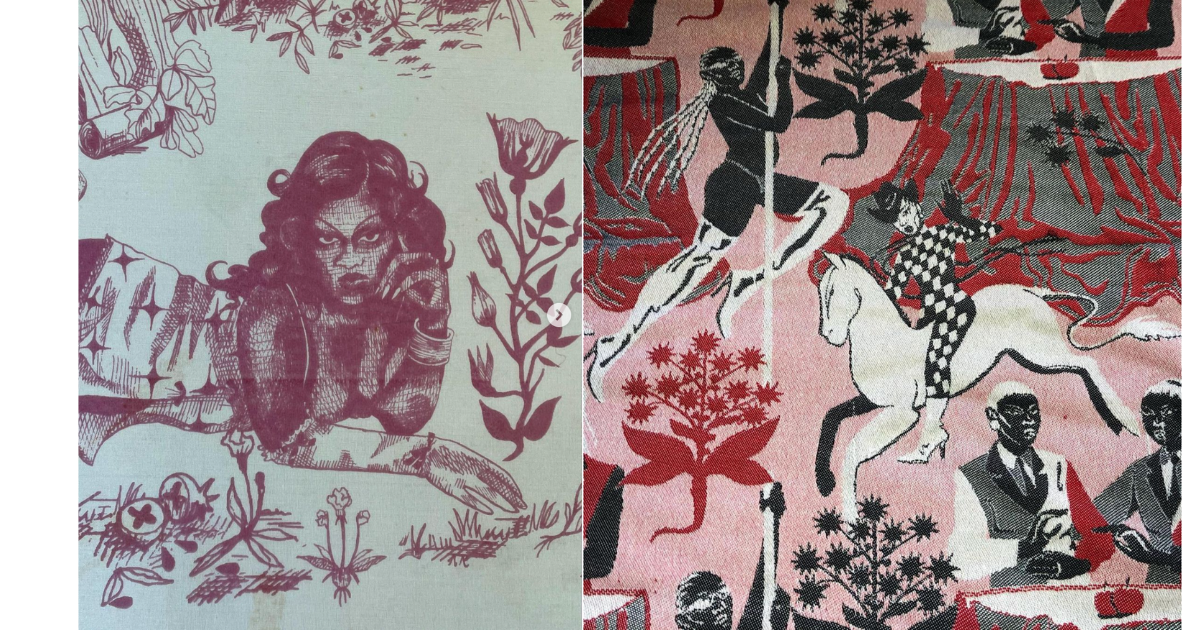
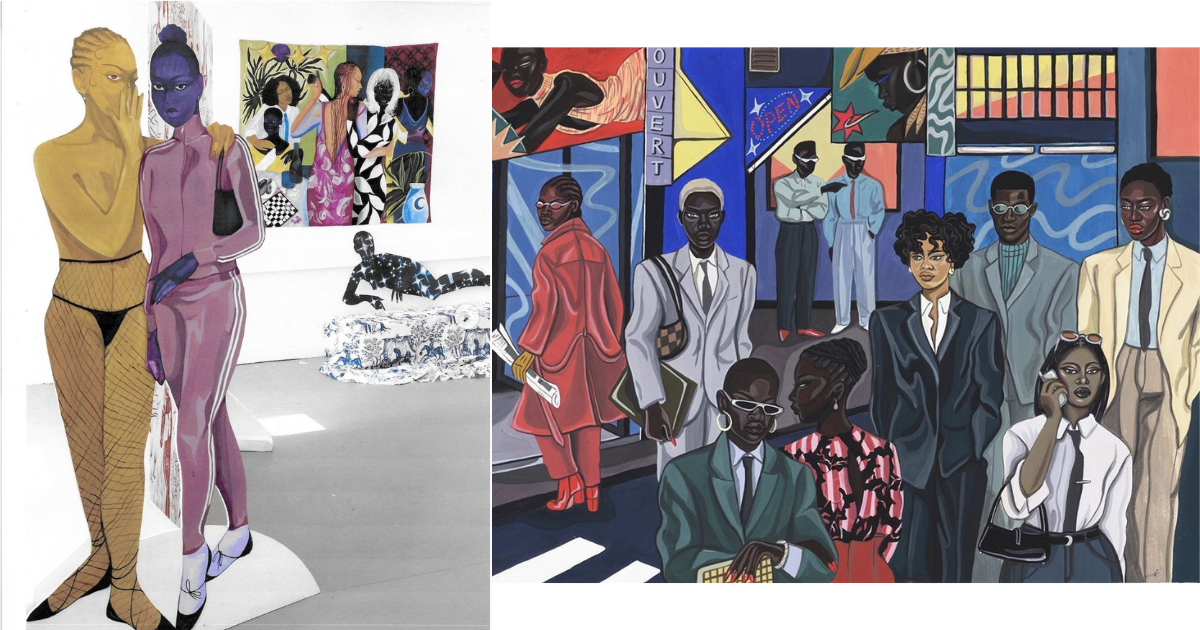
And finally a new to me artist, Maty Biayenda, who I discovered through Dua Lipa’s platform Service95 (yes, Dua Lipa is world building too). Biayenda is a Paris based painter and designer with French-Congolese roots. Her postmodernist style focuses on black culture and aesthetics, providing a deep lens into the beauty of blackness. I particularly love her textile work like the toile featuring singer and drag artist Angie Stardust and jacquard tapestry. Biayenda’s art makes an appeal to reframe how black culture is shown and celebrated, reimagining worlds that blend the past, present, and future.
Any other hints of world-building creatives that you think I should know? Tell me in the comments.