The Goods #6
Welcome to The Goods, a monthly(ish) list of things I’m excited about and interested in across art, fashion, trends, and more.
Traveling continues to feel like an Olympic sport, especially in the post-pandemic world of trying to over-optimize it all. As someone who has included “traveling” as an interest on her resume for far too long, it was quite the wake up call going abroad for the first time with a baby in hand. We did a week long trip to Japan and my typical laundry list of museums, galleries, stores, and restaurants was thrown out the window and we were lucky to get to Shibuya Crossing.
Nevertheless, we persisted and continued to take our littles on trips trying to find a blend of activities that catered to both our interests and theirs. Fast forward to the past two weeks where we visited Venice, the Dolomites, and Lake Como, and dare I say we have found a version of travel that feeds us all.
For this rendition of the Goods here’s a few things that sparked moments of wonder and awe during my trip.
Art: Cosmic Garden at the Venice Biennale
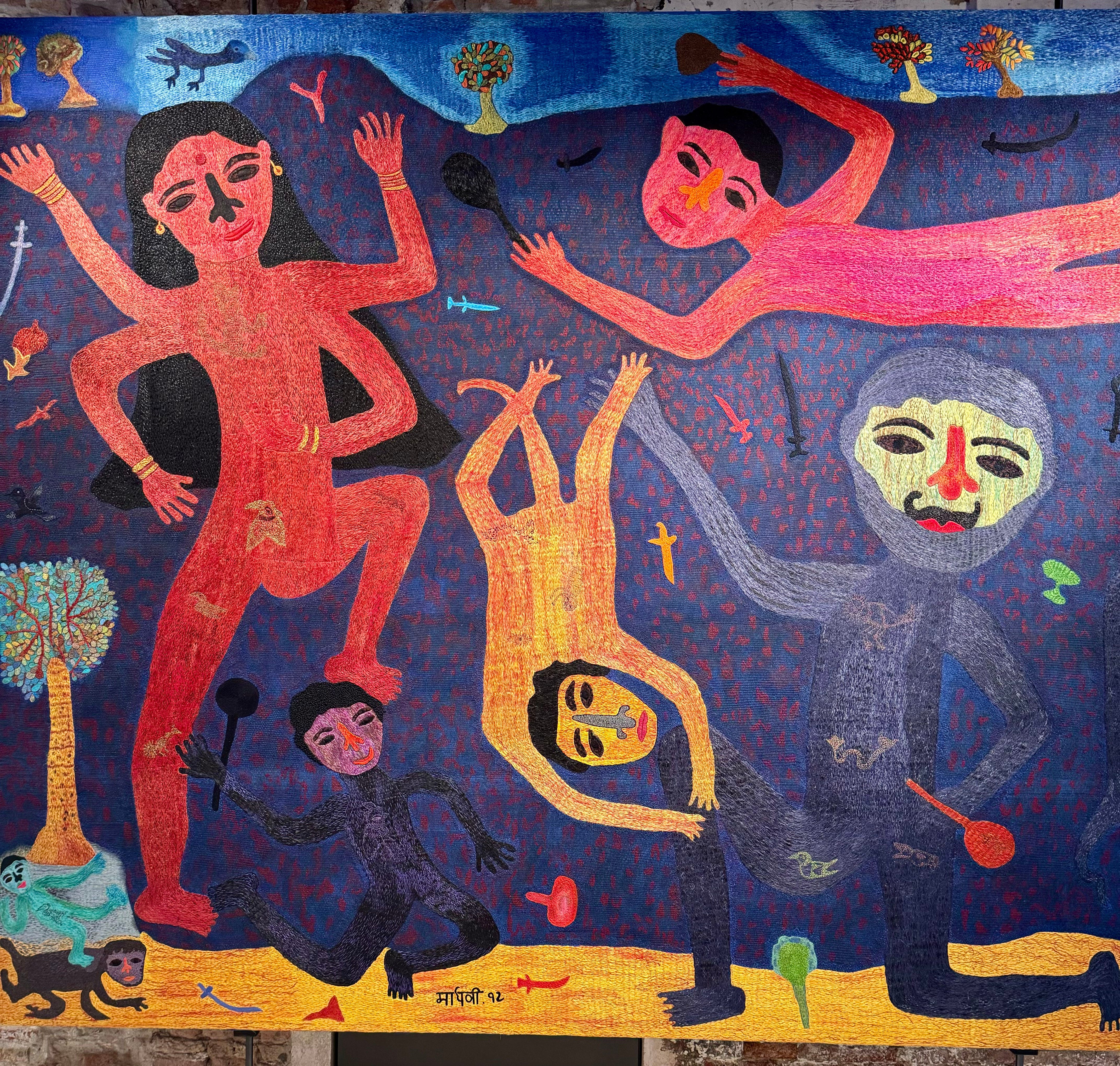
India has only officially sponsored a national exhibit at the Venice Biennale twice, once in 2011 and again in 2019. This year, although there wasn’t a nationally sponsored exhibit, there were 12 Indian artists represented across exhibits - a record for the country.
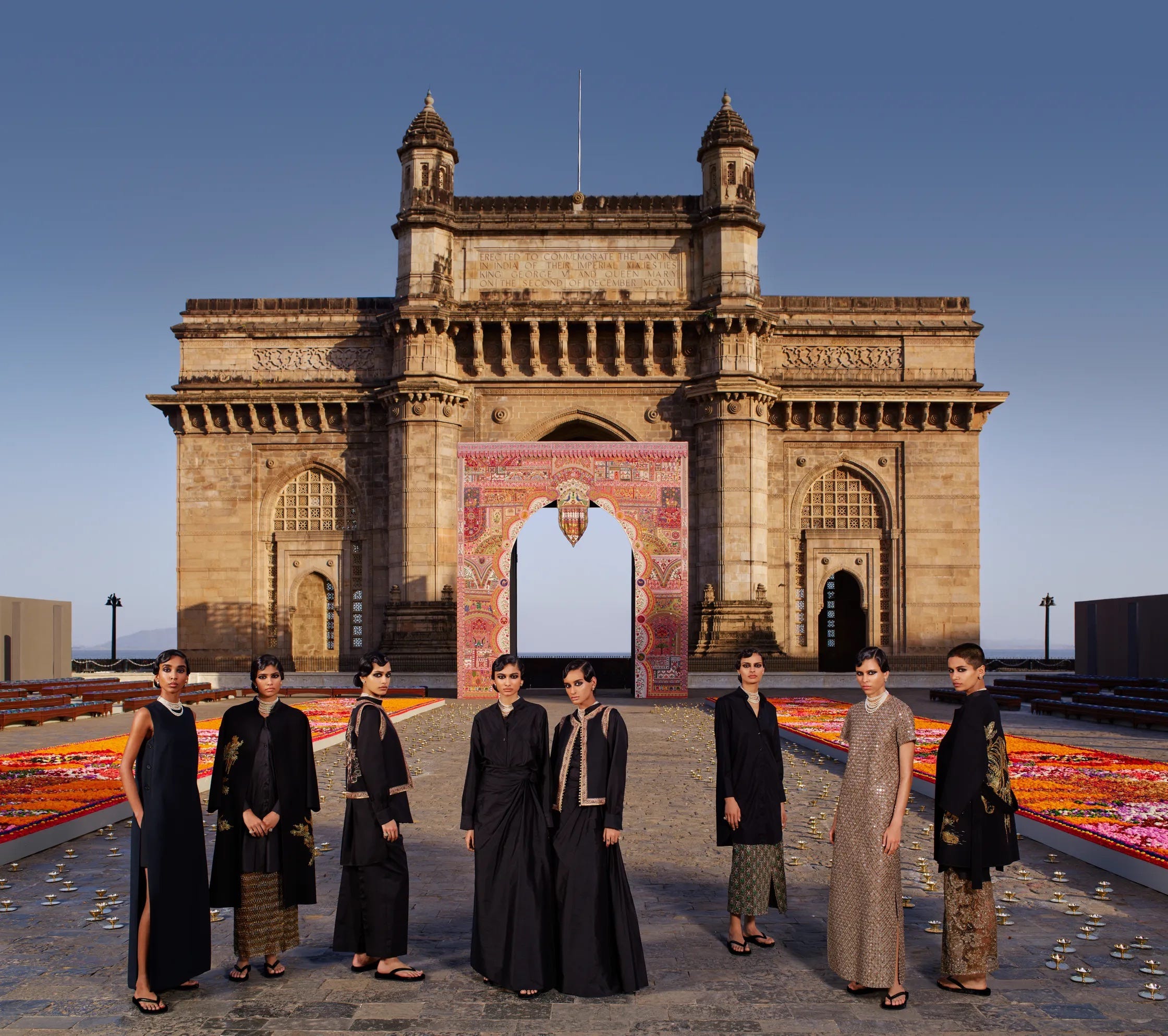
I was able to pop into Cosmic Garden, a collaboration between artist Madhvi Parekh and Manu Parekh and the Chanakya School of Craft and their founder, Karishma Swali. The Chanakya School of Craft is the non-profit arm of Chanakya International, Mumbai’s storied textile and embroidery house that has worked with Gucci, Loewe, Prada, YSL, and most prominently Dior (Cosmic Garden was supported by Dior). Dior’s pre-fall show in March 2023 was held in Mumbai at the Gateway to India as a homage to the work of the artisans at Chanakya that womenswear designer, Maria Grazia Chuiri, has been working with for years.
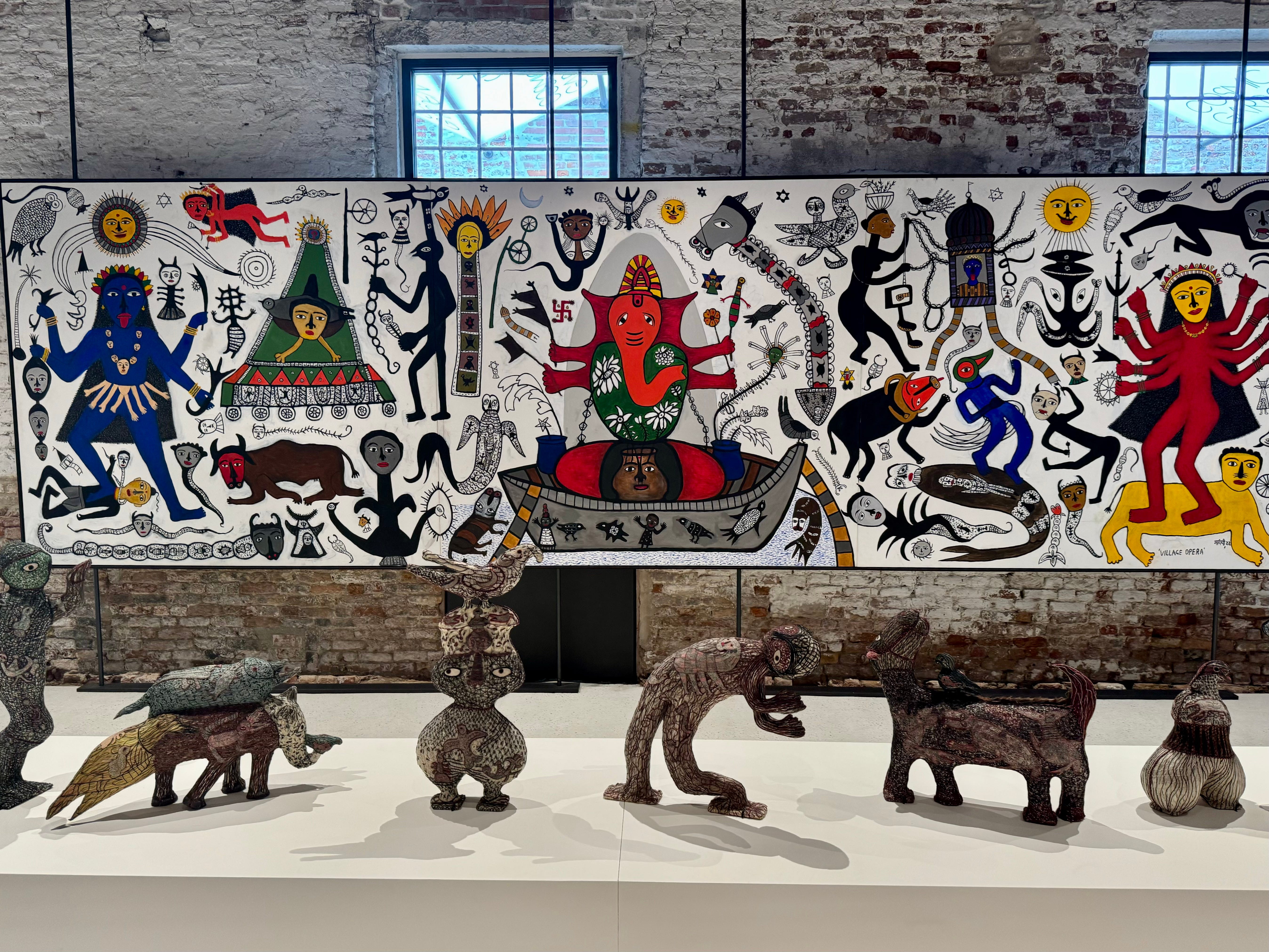
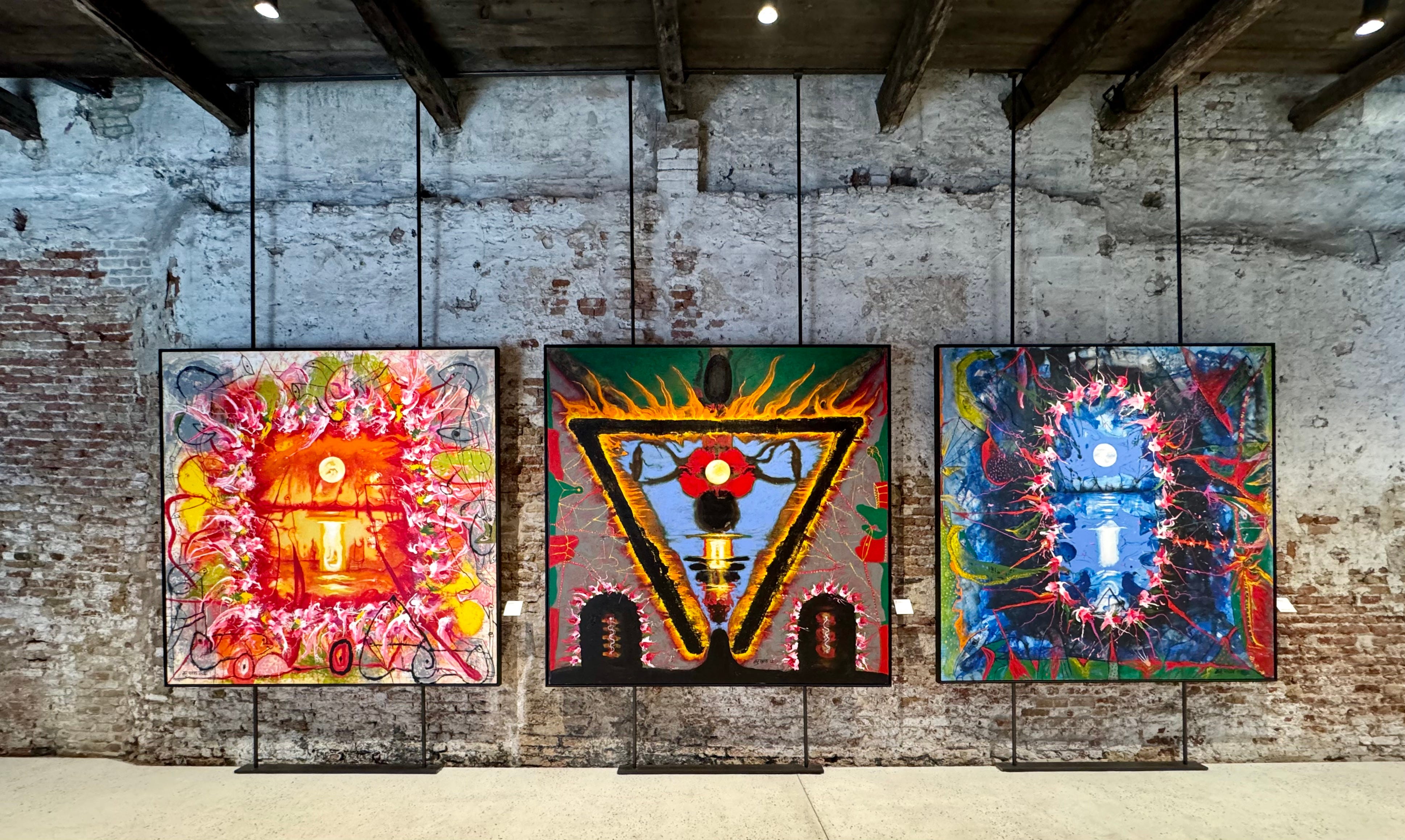
Cosmic Garden further demonstrates the interplay of fine art and craft by showcasing the work of an Indian couple from the state of Gujarat, Madhvi and Manu Parekh. Each artists has a distinct styles - her’s more figurative surrealism and his abstract expressionism - but both focus on themes of Indian mythology, folklore, and the reinterpreting their culture in new forms. Madhvi Parkeh is a self-taught artist who focuses on Indian folk stories with a surrealist bend. Manu, on the other hand, attended the Sir JJ School of Art in Mumbai, learning a more Western approach to art. In a recent interview he shared, “I painted what I knew, like the landscapes of Benares [now known as Varanasi]. I was told to copy Michelangelo, but I didn’t know who he was, and I questioned that constantly; I’d rather paint Shiva”. His art is now known for its blend of Western abstract concepts with a distinct Indian motifs and themes.
Tying their art practices together are the artisans of the Chankaya School who reinterpreted the Parekhs’ work into tapestries through meticulous needlework embroidery and handcrafting techniques, utilizing organic materials like raw linen, jute, silk, and cotton. The result is a magnificent dance through the traditions, stories, and color of India with a contemporary edge.
Art: Christoph Büchel’s Monte di Pietà at Fondazione Prada
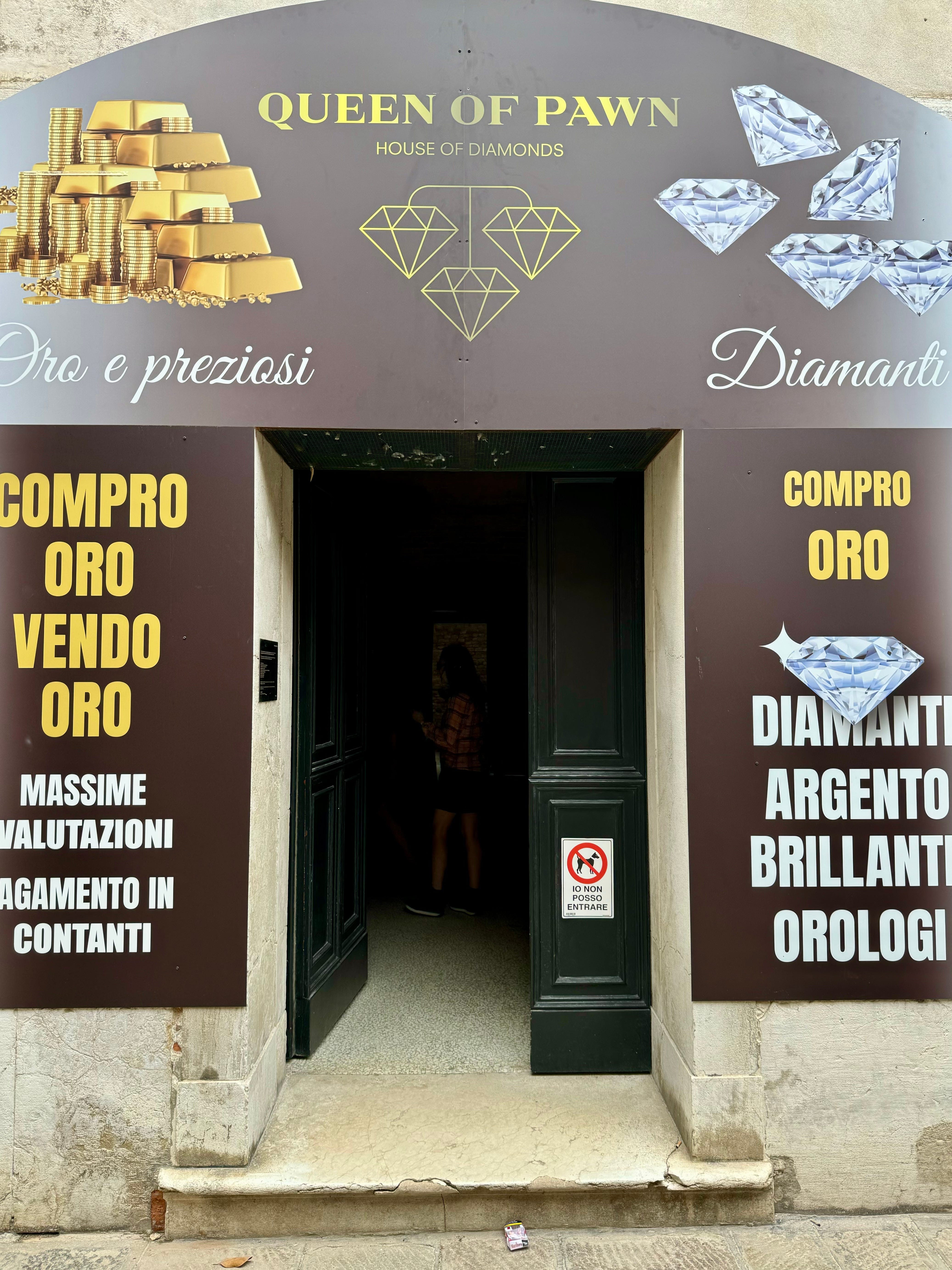
Christoph Büchel is a Swiss artist known as a provocateur. At the Biennale in 2015 , he turned a church into a mosque, which was briskly shutdown two weeks later for supposedly breaching health and safety regulations. In 2019, he exhibited a sunken migrant boat at the Biennale in an exhibit called, “Barco Nostra” and labeled as “haunting”, “powerful”, and “absolutely vile”. True to form, his latest exhibit, which isn’t officially part of the Biennale and is at Fondazione Prada in Venice, is a sweeping look at the ways debt is used a means of power and suppression.
The name of the show Monte di Pietà is a reference to the history of the 18th-century palazzo, which operated as a charitable pawn bank from 1834 to 1969. Outside of the main entrance are signs that reference the “Queen of Pawn” a new pawn shop that Büchel has designed. Upon entry, the first space to come in view is an dingy, dusty space filled with junk and rows of empty, dusty pews that is part church, part infirmary, quickly resetting the viewer as part of a deeply unsettling story that Büchel has only just begun.
The exhibit spans three floors of stories of the debt, power, war ,and scams from a crumbling alter with wheelchairs, prosthetics, and canes covering the walls to a “Museum of Debt and War” which featured Israeli cement, hookah, and a picture of the New York City skyline with the Twin Towers in the distance to fake designer purses laid out on blankets to NFT and crypto schemes to paraphernalia from the Venetian hotel in Vegas to art history scams. It is a fully immersive experience and thought-provoking across the board.
Fashion: Aldo Savorani
I have been noticing and thinking a lot about the death of small businesses in my own city of LA over the past six months. Countless stores have been struggling and closing down across the board. The overarching trends point to more shifts in buying online, higher rent, razor slim margins that make it tough to turn a profit. Additionally, a lot of them lack product diversification that I chalk up to the Instagram effect and general flattening of culture. I rarely come across a brand or product that takes my breadth away and am more likely in-store to experience it IRL (and likely still buying online - don’t shoot the messenger).
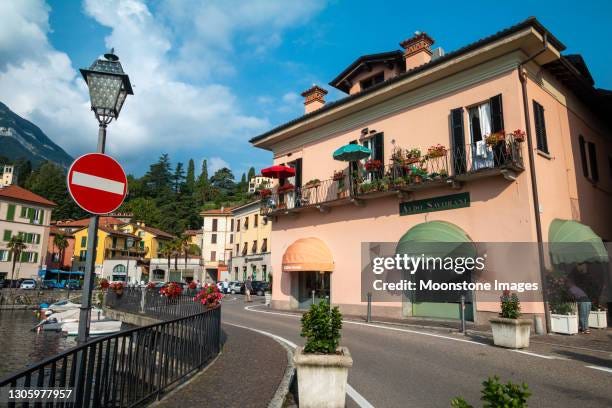
Enter Aldo Savorani. A store on the main boardwalk of Menaggio off of Lake Como that started as a tailor shop and now offers a bevy of interesting Italian and a few international designers - most of whom I’ve never heard of. My mom, sister, and I spent hours in the shop with a lovely sales associate, Anna, trying on different things that we would otherwise not have. We learned the stories of the brands, gasped at the layers of craftsmanship and details that each item displayed, and captial S, shopped.
It felt like the true definition of luxury that is so hard to find that led to the discovery of some incredible brands including:
-
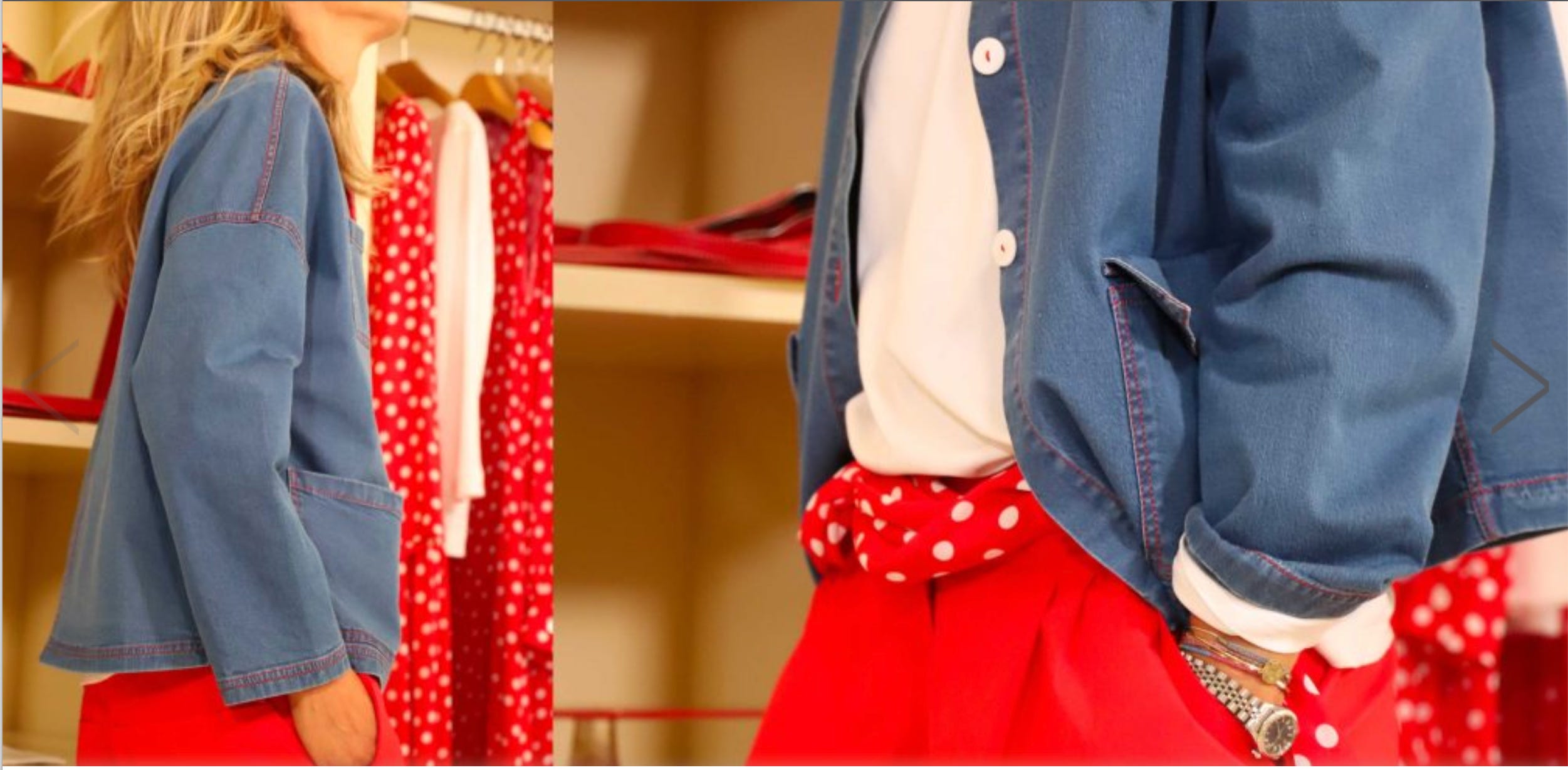
Cristina Bonfanti: Italian shirt maker from the late 70s turned ready to wear designer with crisp minimal shirts, pants, jackets, and dresses all made from natural materials. All of Bonfanti’s pieces in store had the best little details and subtle touches that show extra care and intention in the design of the pieces. Their website, limited social media presence, and lack of good product photography truly add to the allure (the red poplin pant below came home with me, but you can’t tell how lovely it is in this picture on their site).
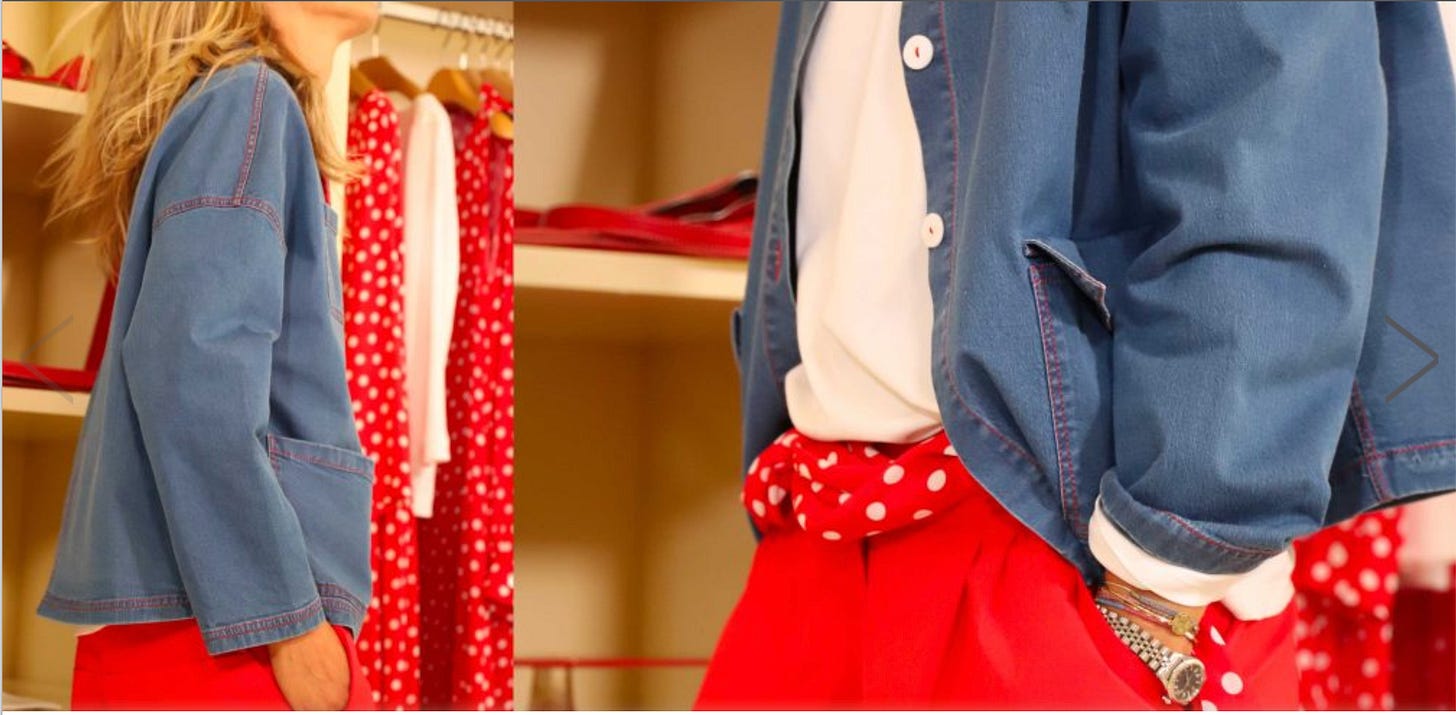
Cristina Bonfanti S/S 24 Collection -
Apuntob: Founded by in 1996 in Rome by Barbara Garofalo who named the brand after her grandmother, a hat designer from the 1900s. Every piece oozes ease and simplicity with materials you want to live in. Apuntob is stocked at some US retailers, but will have to dig to find.
-
Péro: This is an Indian brand that I had seen online this spring via (see below) and had fallen in love with the jacket. When I came across the brand in Italy, who Anna said is super popular with locals, I was so tempted to buy one of their jackets - their whimsical details with Indian accents made from heritage cloths are everything. Will be keeping my eye out for the perfect piece here.
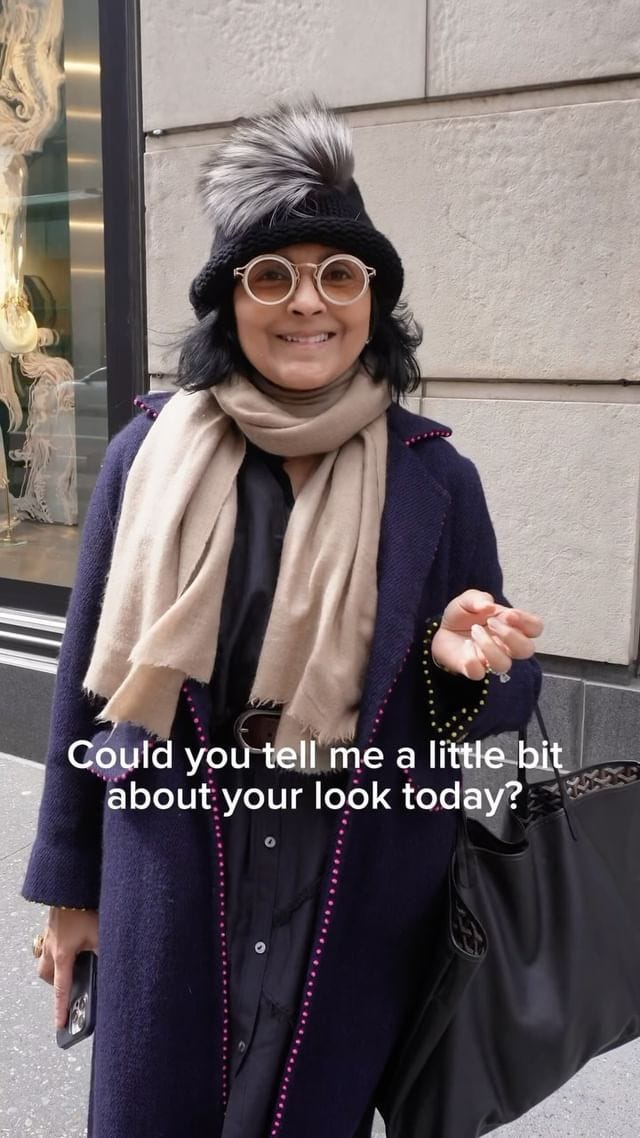
-
Ibeliev: Founded by Liva Ramanandraibe, an immigrant from Madagascar who came to France to fulfill his mother’s dream for him to study business. He did that and decided to start his own brand to promote Madagascy handicrafts and women artisans. I picked up a large black raffia bag that was promptly used to carry all of my kids things for the remainder of the trip - the perfect disguise for far too many cars, crayons, and stickers.
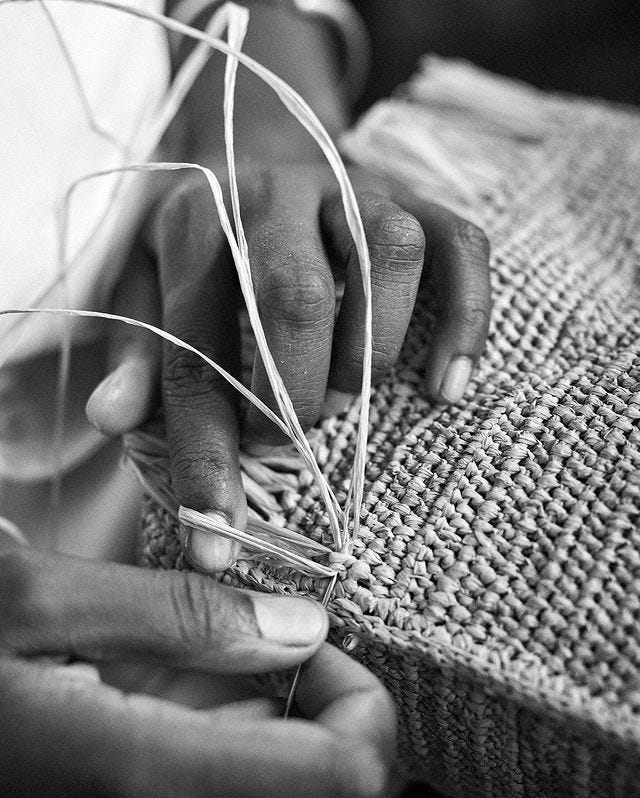
-
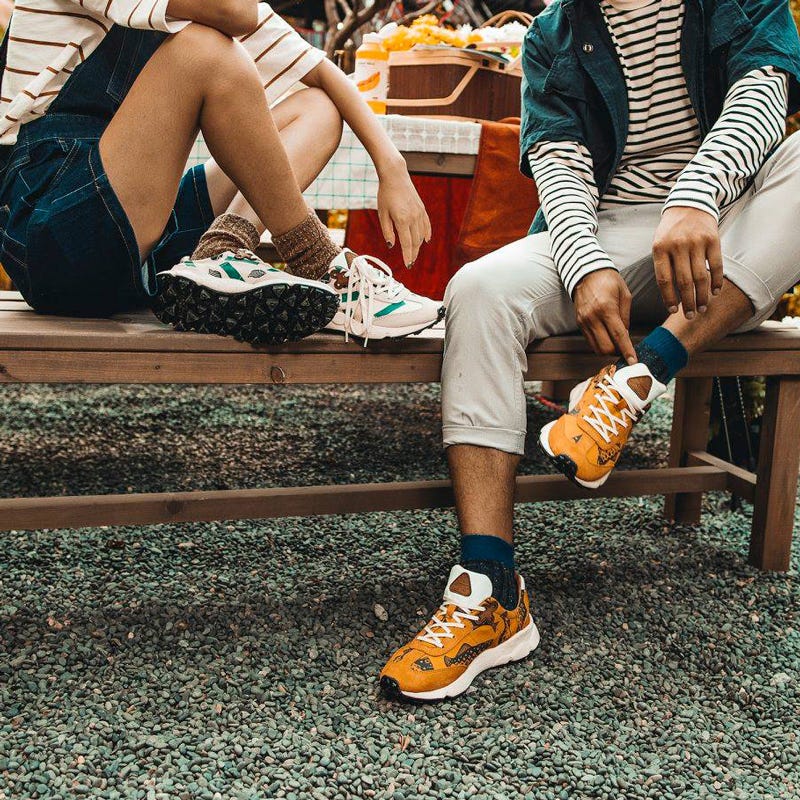
Flower Mountain: New-to-me sneaker brand started in Japan by two outdoor enthusiasts with Keisuke Ota and Yang Chao who were inspired by performance hiking shoes and street style. Much like Indian whimsical brands, this is another venn diagram that I gladly sit dead center in. The outcome is some stunning kicks with many styles available at Free People, Amazon, and Shopbop (IMHO, some of the best are only on their site).
Soul: The Dolomites
I didn’t share anything about the Dolomites because that fed me in a way that only being in nature can, so I’ll leave you with these views instead. (But if you are planning a trip, stay at the Lagacio).