Evara: When leaves become the pattern
Oftentimes, style in India feels like something slower and more layered. You see techniques passed down through hands, not trend reports. You see materials dictate the outcome. You see the same idea show up in different regions with totally different accents. It’s less about novelty and more about evolution.
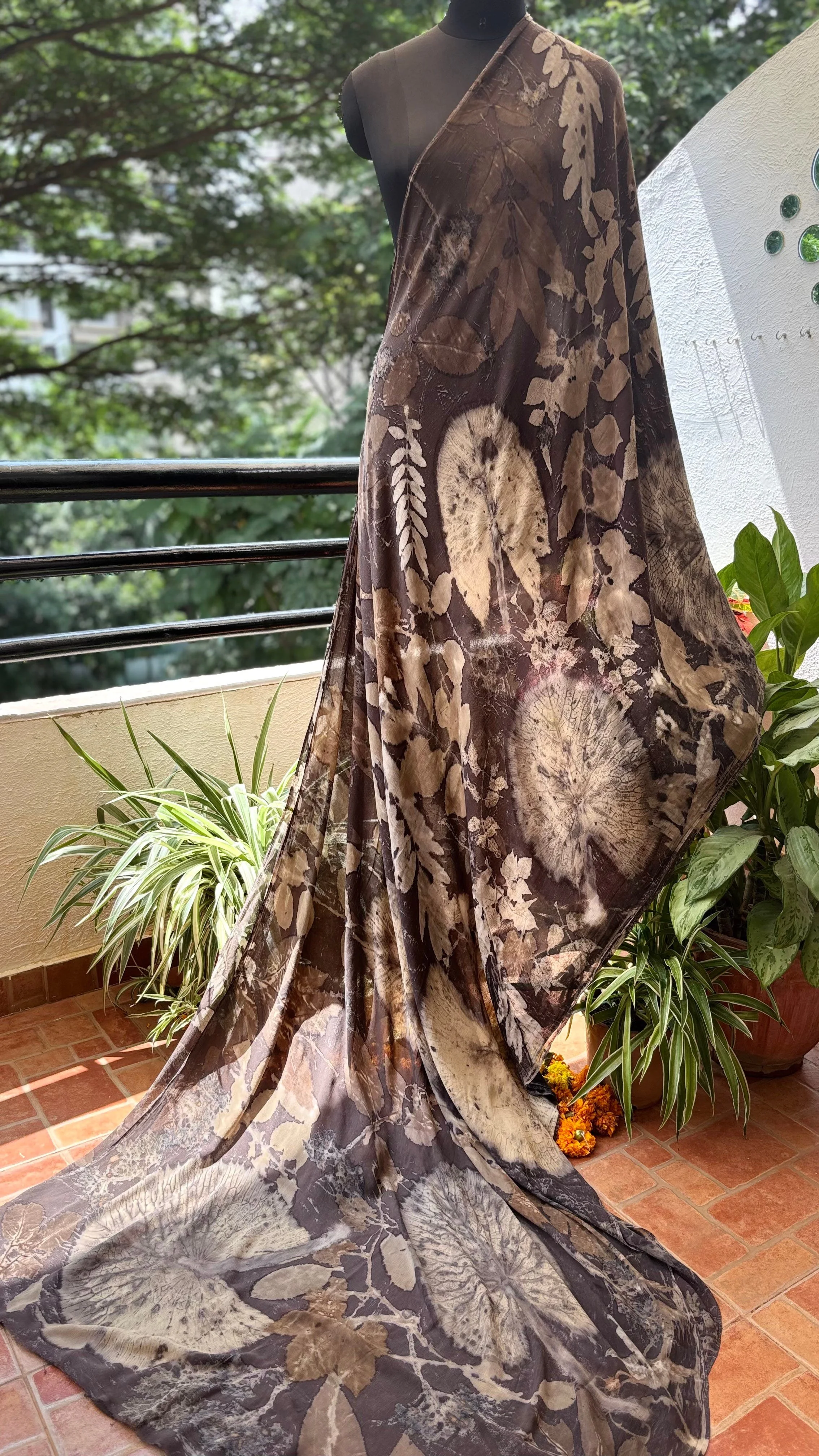
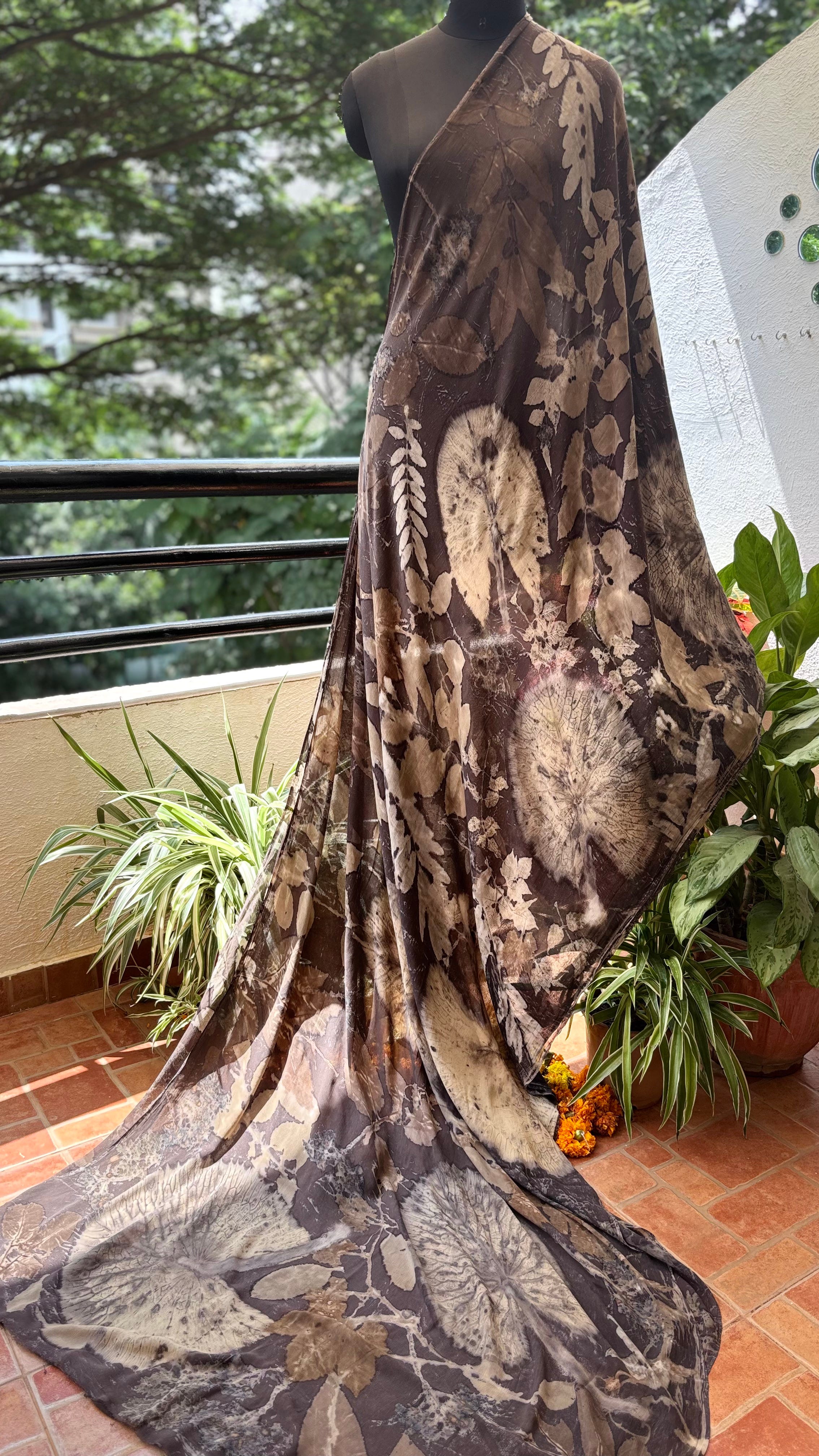
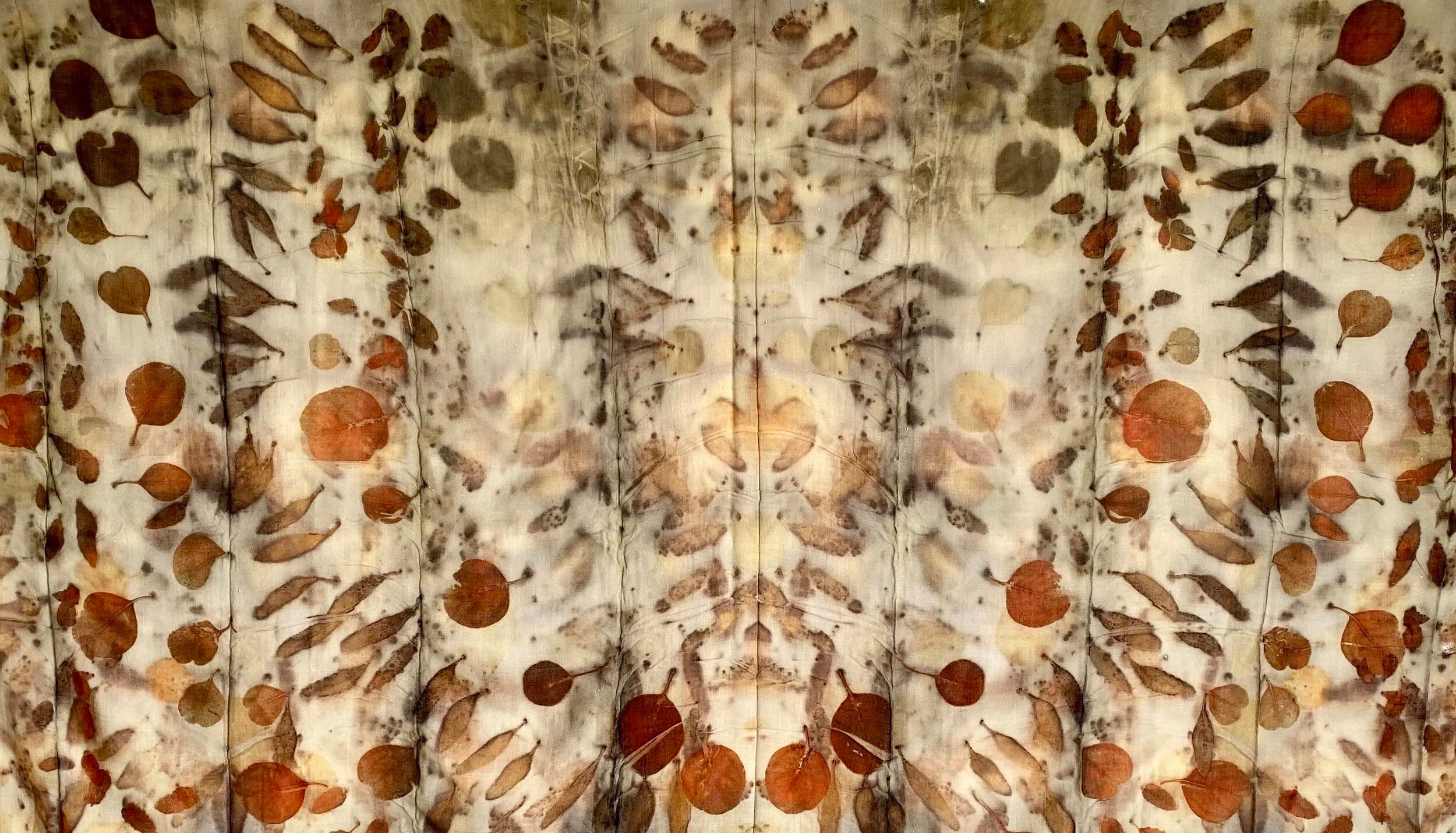
Evara is a three-generation eco-printing practice based in Pune, a city in western India (in Maharashtra) that sits between a fast-growing contemporary culture and deep craft lineage. Their work is made with nature as a collaborator: leaves, bark, flowers. Not as imagery, but as a printing method. The plant touches the cloth, the cloth holds the plant’s memory, and what you’re left with is a pattern that feels both intentional and a little mysterious.
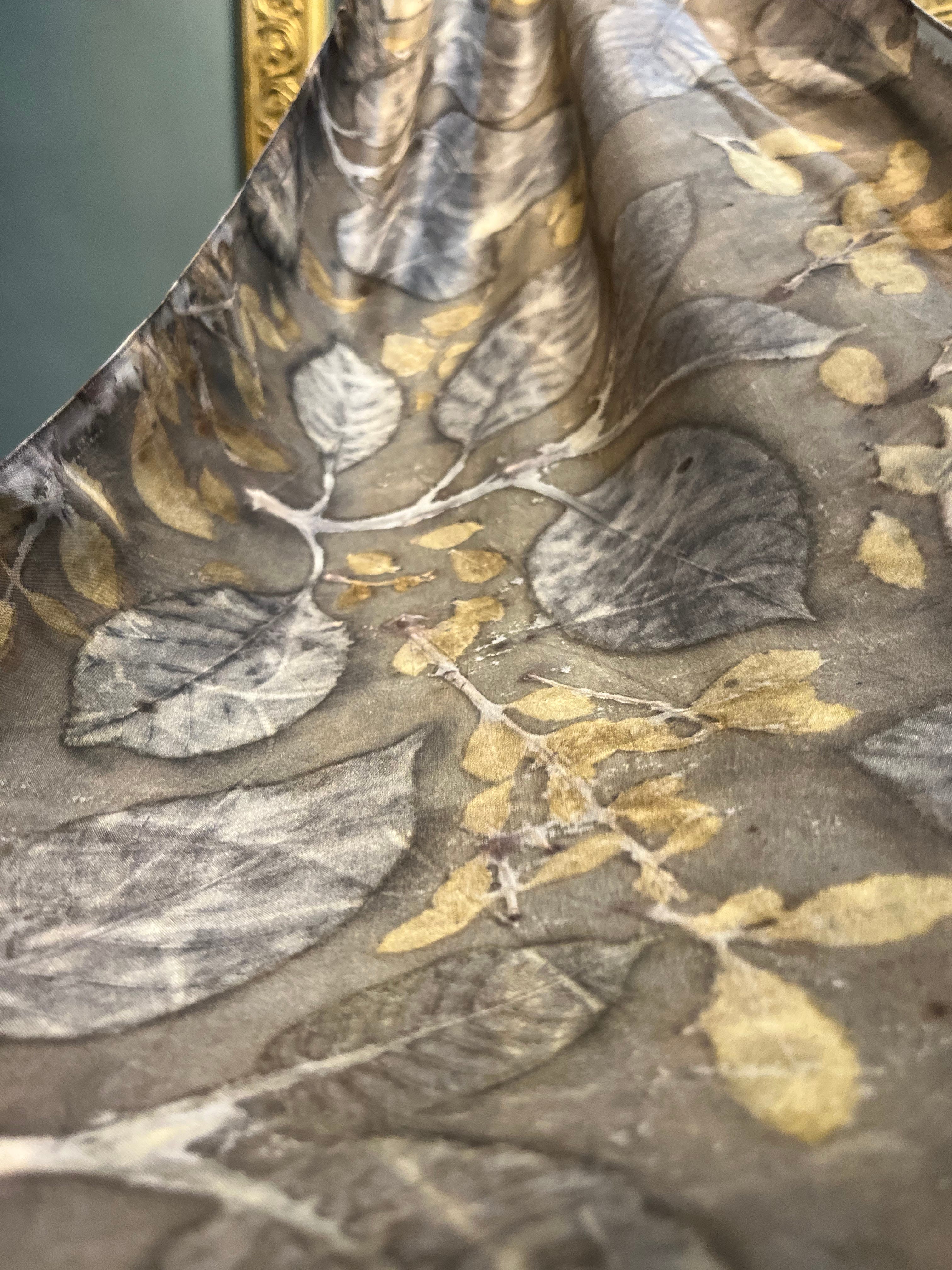
If you’re new to eco-printing, here’s the simplest way to understand it: instead of inks or synthetic dyes, the color and imprint come from the plants themselves. Fabric is bundled, layered, pressed, steamed. A leaf becomes a stamp. A bark peel becomes a wash of tone. And because every leaf has its own chemistry, and every season changes what’s available, the results are inherently one-of-one.
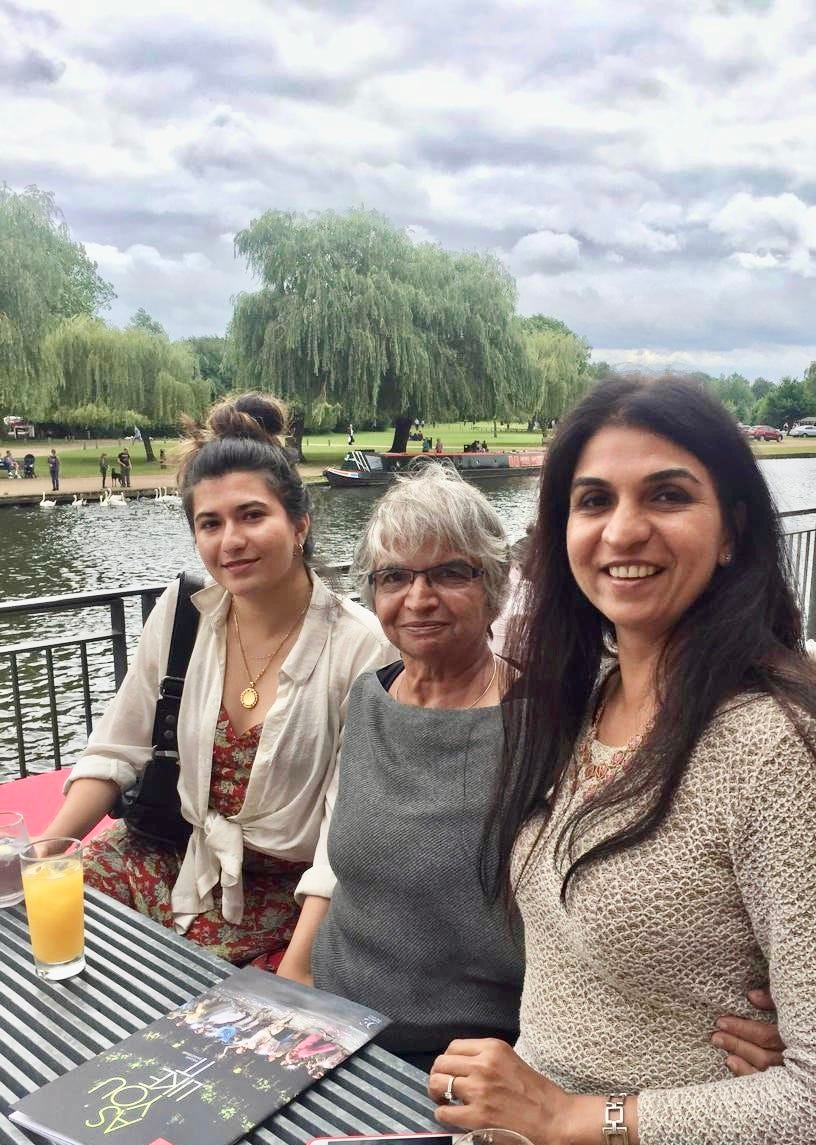
Evara began “unknowingly,” as they put it. A mother who has been a seamstress since she was ten. A maker who worked across wood, metal, and stone. A daughter drawn to texture and fabric. The three of them found a shared language through eco-printing, and once they opened that first bundle and saw the imprint appear, they kept going. They now create scarves, stoles, sarees, and fabric lengths, with hopes to expand into home pieces and fluid, conscious clothing.
Evara isn’t sustainability as a slogan. It’s sustainability as workflow. It’s careful notes on leaves. It’s printing only when there’s a full steaming load. It’s reusing dye baths. It’s working with what’s fallen, pruned, or already there. It’s a practice that asks you to pay attention, and rewards you for it.
In this conversation, Evara walks us through the difference between bundle dyeing and contact printing, the plants they’re working with right now (including a teak surprise), and how Pune’s seasons shape the palette.
How did Evara begin? Can you share more about both your and your mother’s background?
Evara took shape unknowingly and printed out a beautiful pattern for the three of us. My mother who has been a seamstress since she was 10 years old, to me who worked with mixed materials like wood, metal, stone, to my daughter who works with texture, form and fabrics, we have found a love that amalgamates our fertility.
Video above: Opening of a bundle - silk satin fabric with an iron blanket, resist printed with leaves of the bur flower tree and white jasmine.
Was there a single experiment that made you think: this is the path?
When I opened my first bundle and saw the imprint of the leaves on fabric, that was enough for me to be inspired and keep trying.
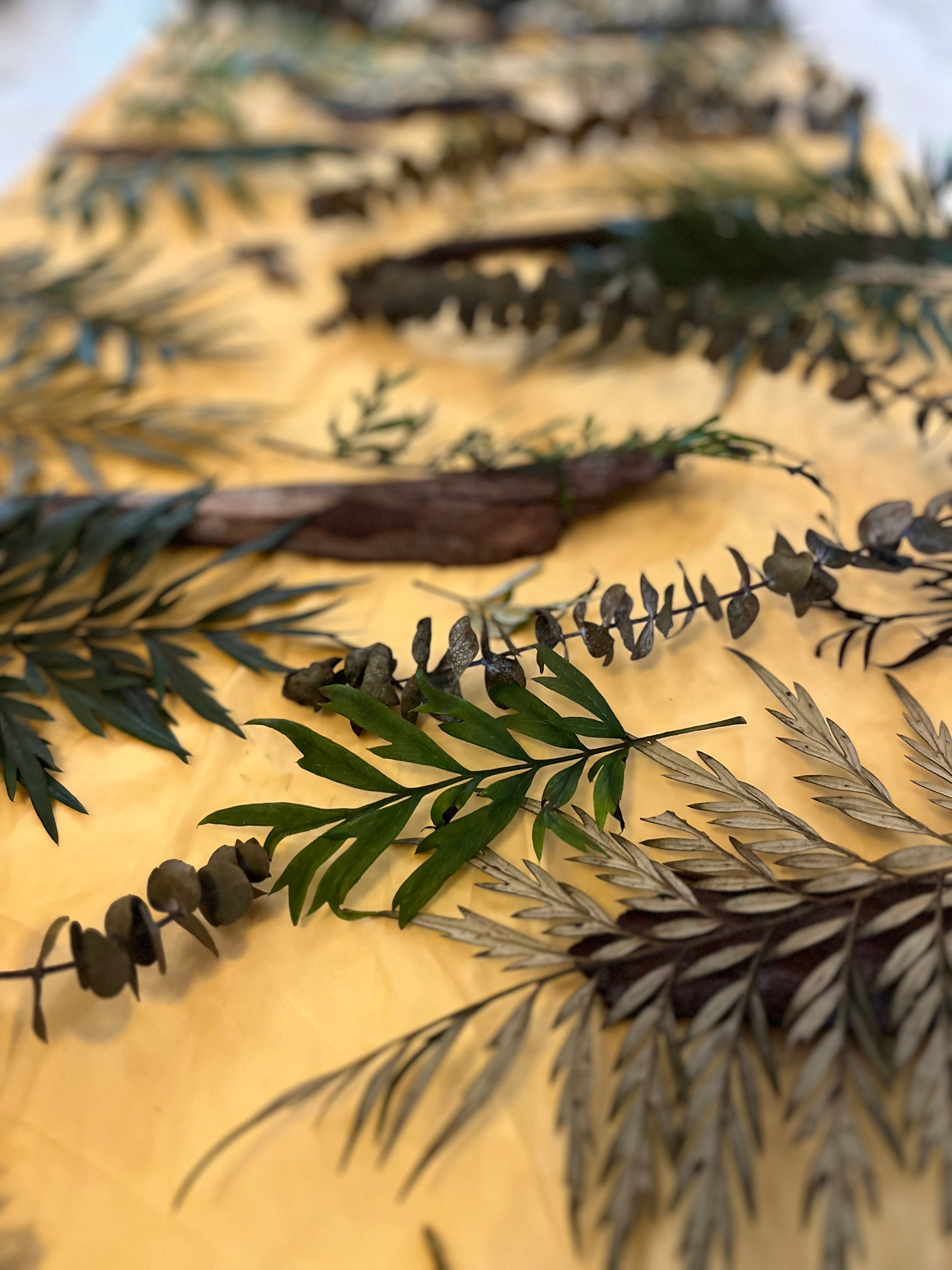
For readers new to eco-printing: how do you describe bundle dyeing vs. contact printing in your studio?
Bundle dyeing is more organic, creating soft abstract textures with scattered plant material. Contact printing is more deliberate, where each leaf is intentionally placed to create defined prints.
Your current plant palette (teak, laburnum, henna, silk cotton leaves, eucalyptus bark, cosmos): what each brings, and any unexpected favourites?
The plant palette moves from earthy warm tones to brighter ochre yellow, rust, mauve, reds and pinks, all the way to dark brown, charcoal grey, and wine. Teak has been my recent unexpected favourite. It seems to have a mind of its own, ranging from dull grey-green to brown to a sharp yellow or magenta pink.
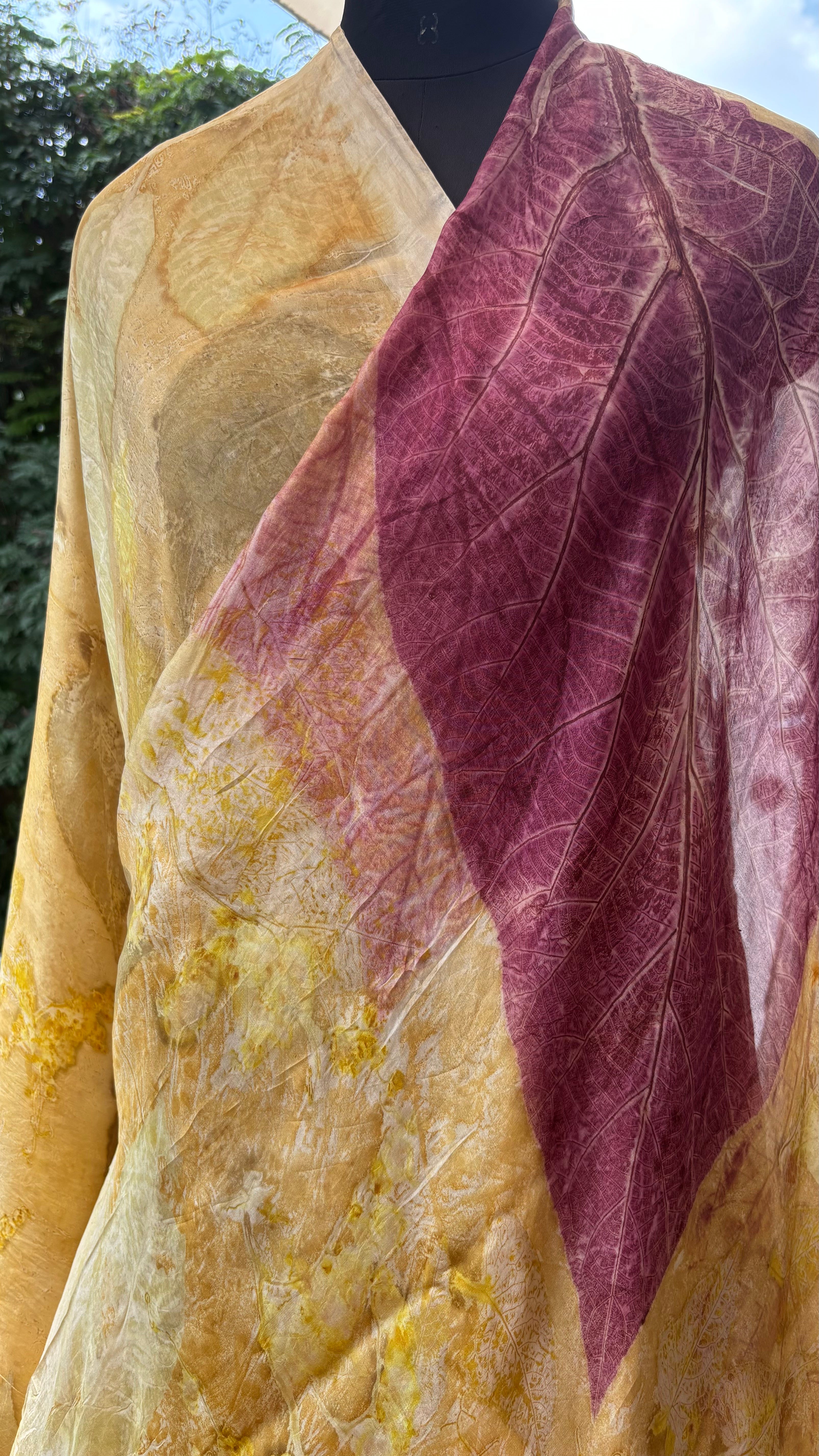
How do Pune’s seasons change what’s possible?
Pune has three major seasons with a dry summer, so the foliage changes, especially in summers. The study and notes for leaves is as important as the process. Leaves also impart a different tone depending on the phase the plant is in (including flowering), and that needs to be considered with care.
How do you balance the plant’s agency with your aesthetic intent?
The challenge of controlling the outcome is surpassed by the excitement of letting nature take its course. Over time I have developed ways to creatively navigate through these challenges. There is no way to control nature, but I try to connect with it and bring it new life, in a way.
What measurable choices make Evara low-impact?
The entire process is carefully thought of: choice of base fabric, local sourcing, and steaming bundles only when we have a full load. Every step is consciously organic and low impact. We use fallen/pruned leaves, used flowers, weeds, peeled bark, reuse dye baths, work with natural fabrics, and reprint the fabric if it hasn’t printed well. There are gardeners and local farm owners that I work with.
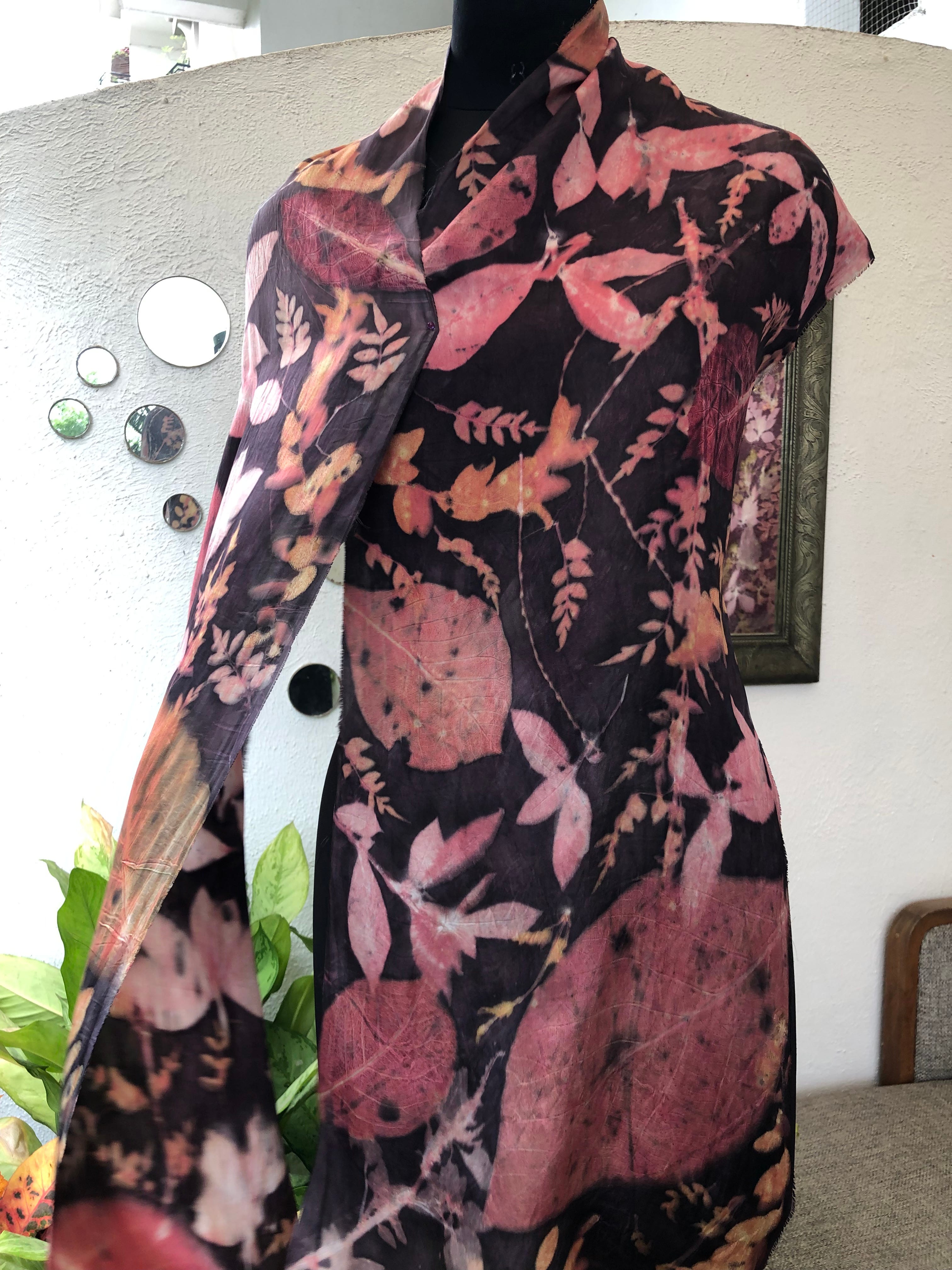
What is in your product suite at the moment and how do you plan to expand?
We have scarves, stoles, fabrics and sarees. We plan to try new fabrics and techniques to broaden the scope of our printing results. We also hope to have home decor and fluid conscious clothing pieces.
Any collaborations you’re excited about?
Yes. We will be working with Indian artisans and embroiderers for a capsule collection. We also have been putting our minds together with a fashion designer to work on a line of clothing.
LOTA Fast Three
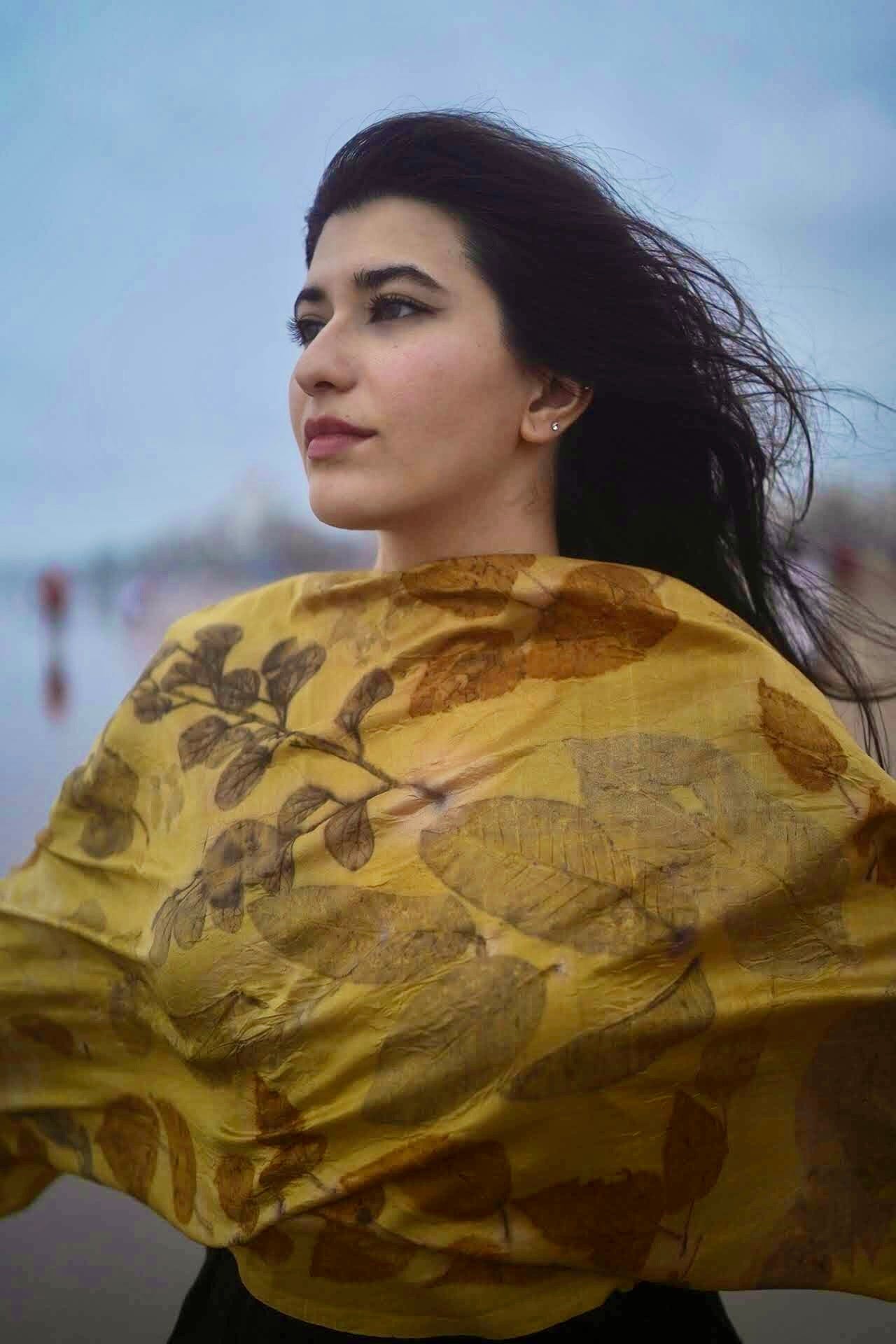
A color you can’t quit. What does it do inside your work?
At present, shades of yellow, as we have been working with marigold flowers. It adds, sometimes a burst of freshness and sometimes a lovely warm tone to the fabric.
Studio object: one non-art thing you keep nearby?
A measuring tape. I have always seen my mother with one and my daughter too, as they both work with fabrics. For me I moved from interiors to working with fabrics, all thanks to them.
An artist who inspires you.
, one of the pioneers of eco-printing. Her textile practice is an art form in itself, from her method of foraging to understanding plant life to finally printing.
Thank you Veena for sharing the story and details behind Evara! To learn more (and order their incredible pieces) find them on Instagram @evaraecoprints
If you enjoyed this, consider subscribing to discover new voices in emerging art, get the context behind the stories that shape them, and belong to a community redefining the art world.
Photos courtesy of Evara unless otherwise noted.