Who really shapes culture: critics, VCs, movie merch, or sculptures on the beach
The Goods is my monthly palette cleanser - thought leaders, exhibits, stories that sharpen and question my perspective and chip off a new layer of what I care about. Some months it’s as simple as reminders to touch grass, other months I’m thinking about world-building, or inspired by recent travels, or just simply the reason why most of you are here: ART.
This month has been a tangle of questions about who really shapes culture now: VCs, critics, kids in line for a jacket, or the artist building a glowing library on the beach. And how does this impact how the youth (generally the arbiters of culture) are spending or not?
When art has to make the math work
My prior life was working in startups where words like “growth at all costs,” “build and they will come,” and “fail fast” were the common phrases thrown around to motivate teams and drive action. My naive assumption was that as I shifted away from traditional VC-funded startups, this would no longer be the case. Art though gets caught in the same cycles of making the math work.
But when art is treated like entertainment, culture chases scale and metrics instead of meaning. Two recent reads (linked below) aren’t about galleries or fairs on the surface, but they’re great lenses for understanding why so much of culture feels like it’s performing for a spreadsheet.
To alleviate cultural stagnation, separate art from entertainment by
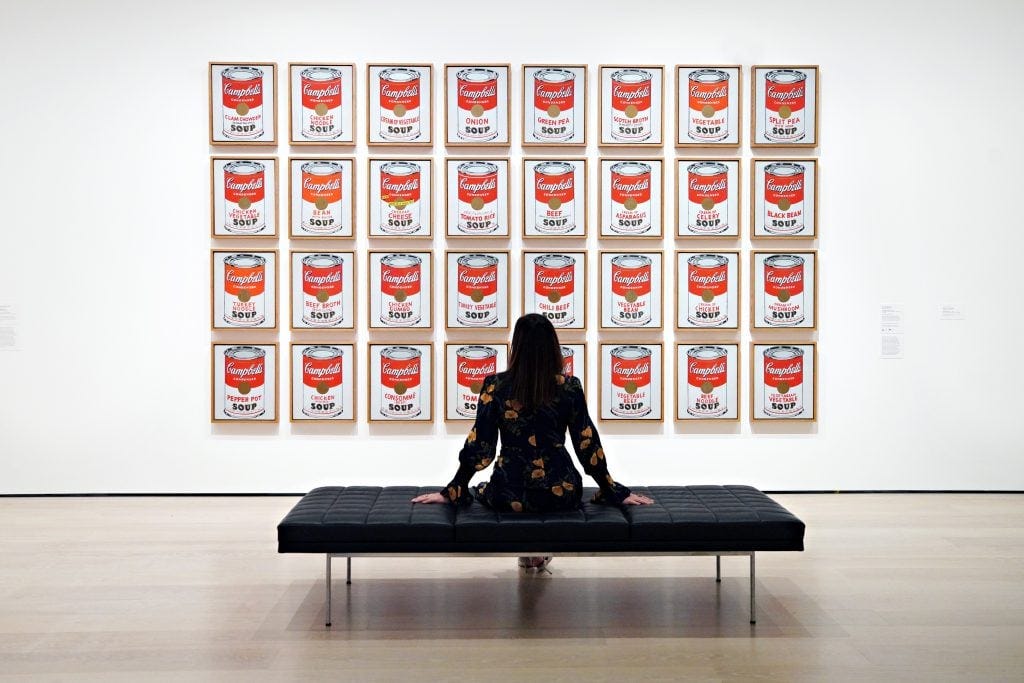
Rabkin, fashion critic and journalist, is blunt on why culture feels stuck. He argues we’ve blurred art and entertainment and now judge everything with the same metrics. Art is supposed to have friction; entertainment is supposed to be smooth. When you treat art like entertainment, anything that doesn’t perform on “engagement” starts to look like a failure.
It reminded me of one of my favorite quotes from in her book Just Kids,
“I didn’t feel for Warhol the way Robert [Mapplethorpe] did. His work reflected a culture I wanted to avoid. I hated the soup and felt little for the can. I preferred an artist who transformed his time not mirrored it.”
Lessons From My Grandma Inventing DoorDash by
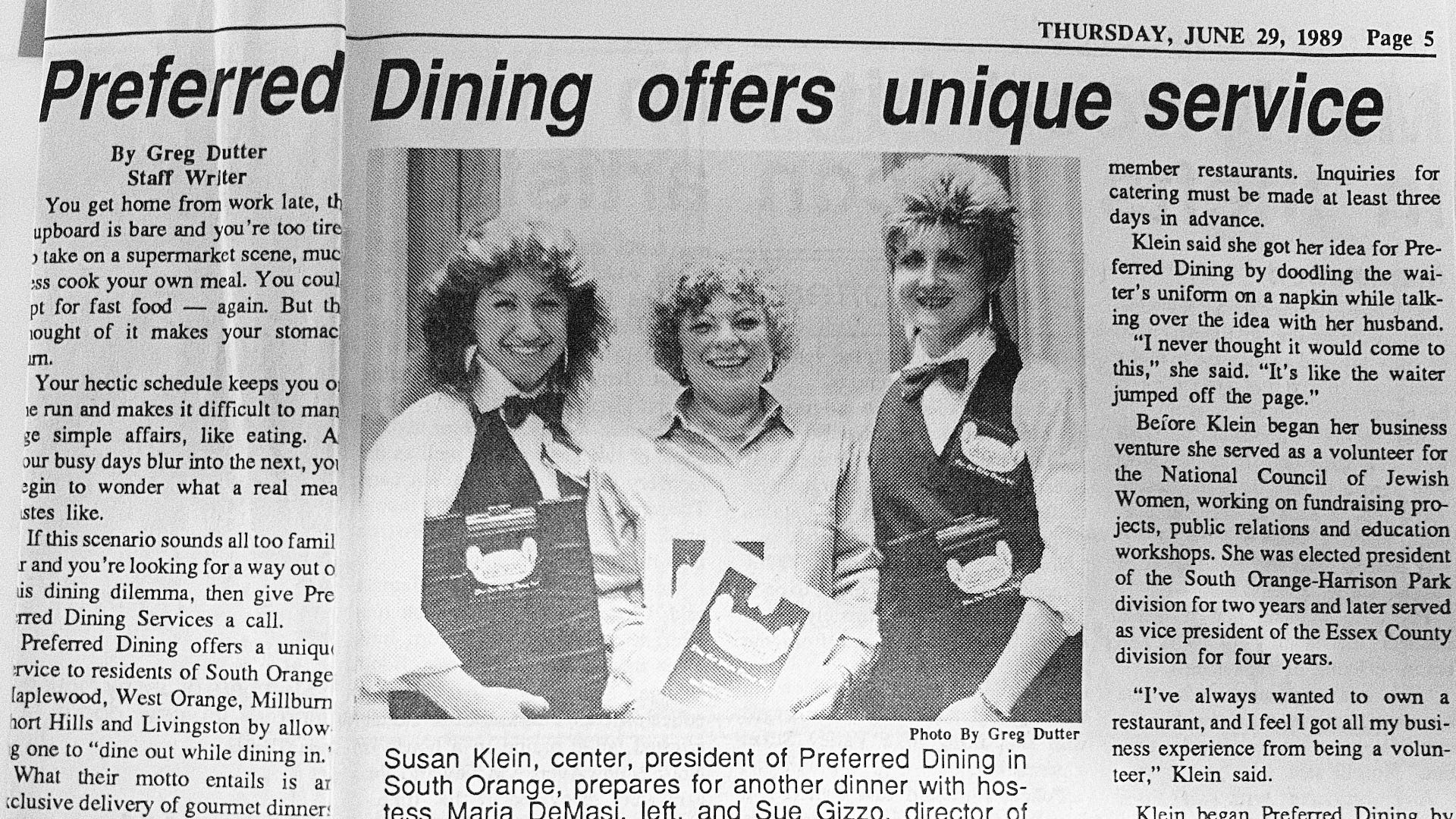
Klein writes about his grandmother’s 1989 New Jersey food-delivery business that basically was DoorDash before DoorDash — and why she didn’t become a billionaire. His takeaway: some ideas are not meant to scale “so far and wide,” and $5.9B later, DoorDash still mostly paid to make the numbers look right, not the experience. The line that stuck with me: they didn’t invent food delivery; they spent billions trying to make the math work. It’s the same lens as pushing art to be entertainment - culture breaks when you force scale.
What type of “art” do people actually care about?
Art Basel & UBS Survey of Global Collecting
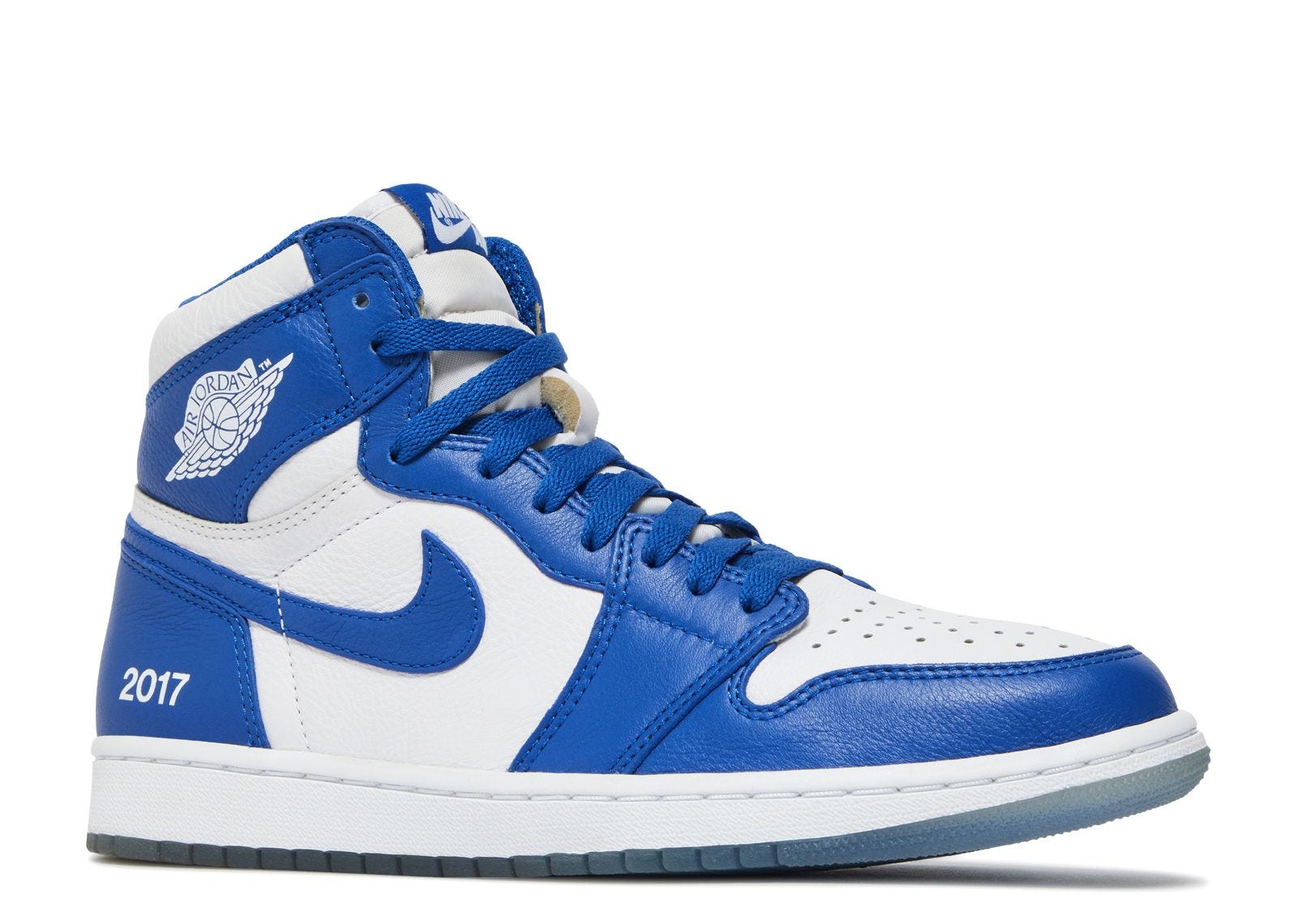
Art Basel and UBS released their annual Survey of Global Collecting, which focuses on high-net-worth individuals, and highlighted that for Gen Z and younger Millennials, collecting is not a sealed “fine art” category the way it has been for prior generations. It runs from paintings to antiques to handbags, streetwear, sneakers, watches, even cars and digital assets. A big chunk of their “collection” budget sits in these other categories, and many start with sneakers or fashion and only later move into art, carrying the same instincts with them. Gen Z spent the most on average in all non-art categories, and five times that of other age groups on sneakers – a whopping $19,440 a year on second-hand kicks.
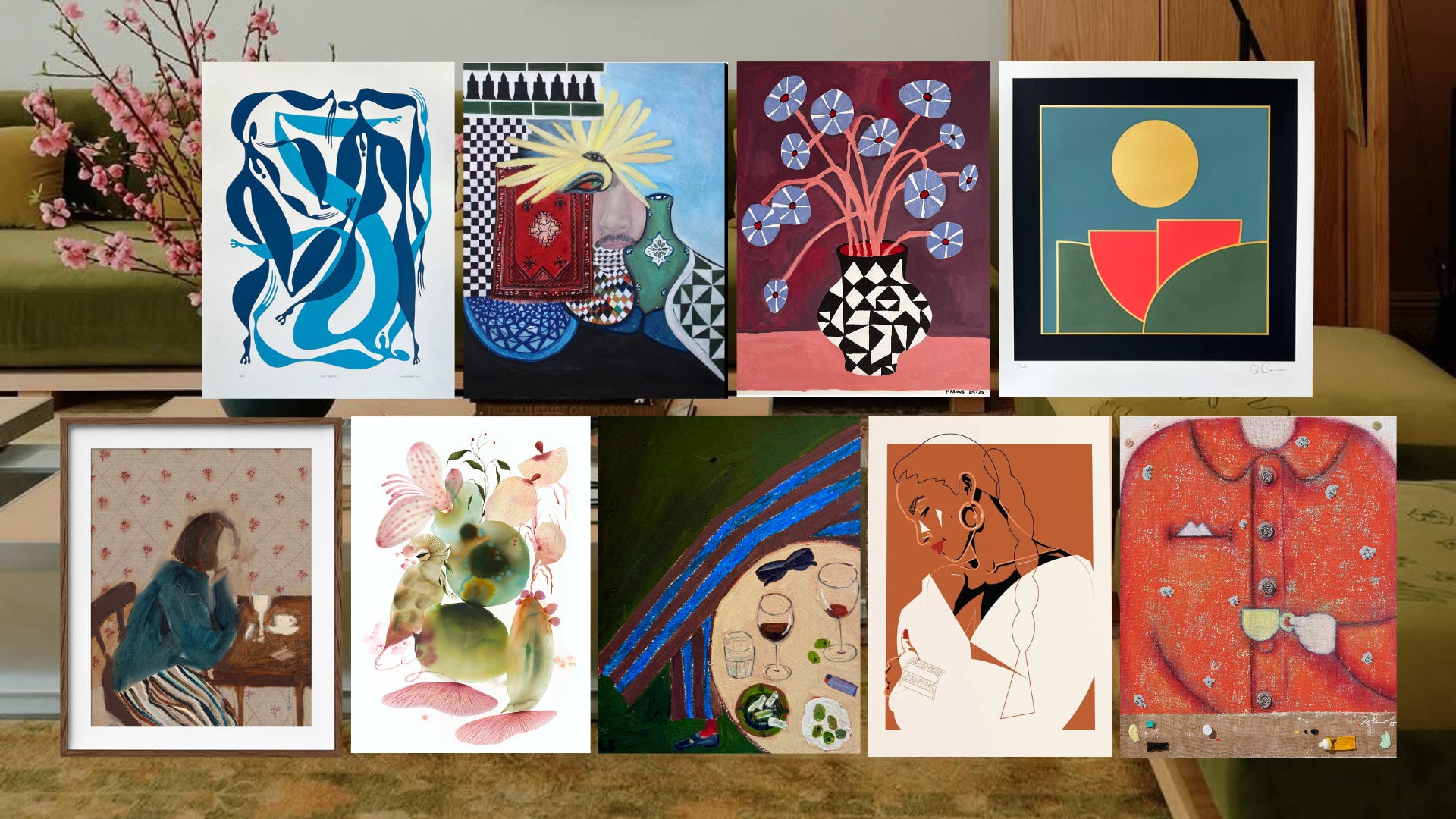
The other key insights were around how women collect - they are more likely to buy a work by an unknown artist and spend more on works by female artists. As women become a sizable economic force (the number of women billionaires grew 81% to 344 between 2015 and 2024), this will continue to level the playing field in the art world too.
Library of Us at Art Basel

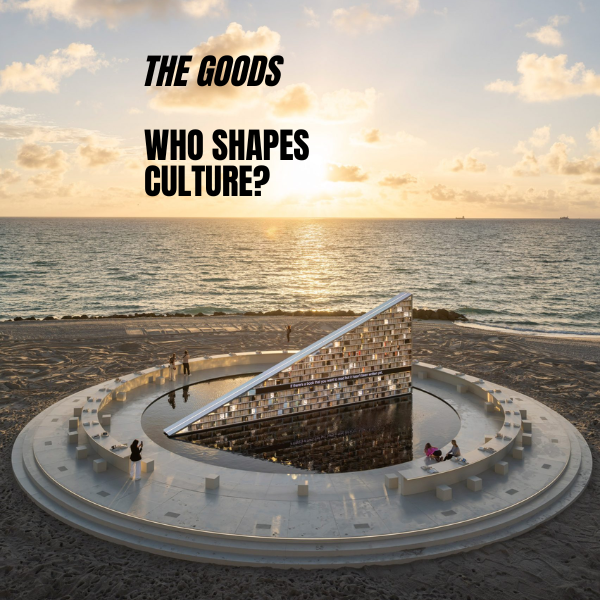
Which takes us to Art Basel happening right now in Miami - a jam-packed week of art, music, and parties. Es Devlin, artist and set designer for the likes of U2, Beyoncé, and Adele, unveiled her work at Faena Beach Club, The Library of Us. The sculpture is a 20-ft high, illuminated, rotating triangular bookshelf filled with thousands of books that have informed Devlin’s practice. It also features a reflection pond and spaces to sit and read books (every day Devlin and her team reset which books are out for the public to read) and a 30-ft screen flashing quotes while a recording of Devlin reading those lines plays aloud.

From a piece in the Times, “In an era dominated by screens, Faena said simply bringing books into public view might read as a quiet apolitical statement in itself.” I’m not sure about you, but just describing this piece feels like the opposite to me - I suspect there are more phones and selfie lines than actual reading happening here. (I showed videos of the installation to my kids, who were equally perplexed – “but how do they get the books they want if there’s water in between?”).
THE Marty Supreme Jacket
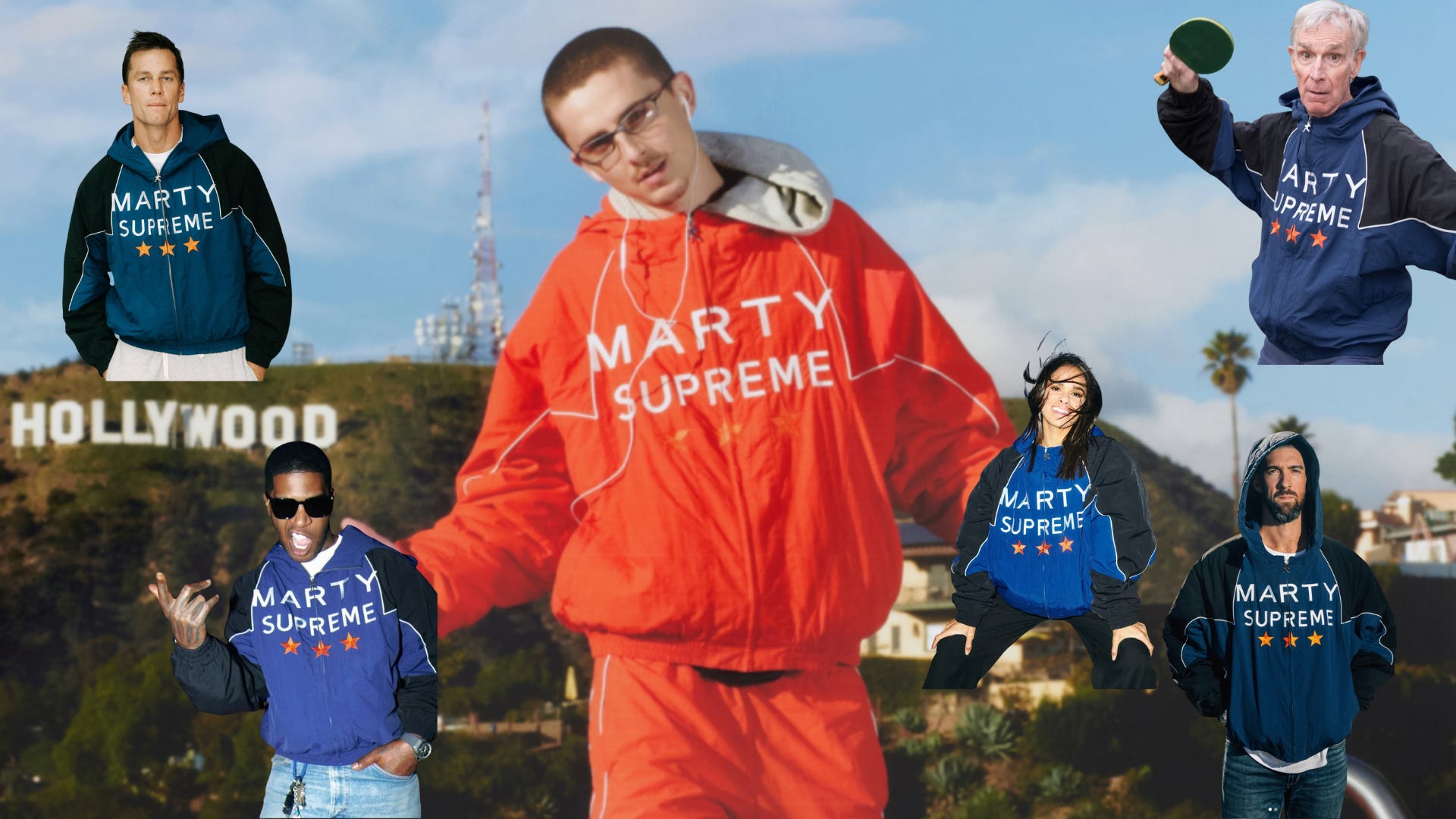
On the day of the Marty Supreme drop, a girlfriend and I were chatting about the movie’s incredible marketing campaign when she informed me of THE JACKET. I kid you not, at that same moment, a guy walked up to the bar we were seated at in Venice wearing THE JACKET. It felt like kismet. (We have since vowed to purchase the jacket in 10 years once it inevitably makes it way to the racks of secondhand shops and eBay. You can get it right now on Grailed for $500 to $5K).
The jacket that has captivated this “chronically online, offline to stand in line” cohort that epitomizes the the art as entertainment conversation. On paper this is movie merch - a retro windbreaker designed with LA-based Doni Nahmias and A24 for a film that hasn’t even come out yet, retailing for $250 and flipping for thousands on resale.
The jacket is not in the movie, it’s not period-correct for the 1950s setting, but it’s perfectly authentic to Timothée Chalamet’s real-life style. People lined up around the block to buy it before seeing a single frame and Nahmias has hinted that there’s more to come. As an object, it’s exactly what the data describes - a streetwear collectible that lives much closer to entertainment than capital-A Art, but is starting to be treated with the same kind of reverence and price behavior as an artwork.
Taken together, the collection survey, Devlin’s beach library, and the Marty jacket feel like three angles on the same question that and started us off with: where are we comfortable blurring art and entertainment, and where do we still want a line?
In the end, critics can argue, VCs can fund, movie merch can sell out, and sculptures can glow on the beach, but none of them fully “shape culture” on their own. They just send up flares. The real shift happens in slower, quieter, more human ways — what we reread, rewatch, wear out, and keep on the wall long after the moment passes. That’s the part I’m interested in paying attention to.
If you enjoyed this, consider subscribing to discover new voices in emerging art, get the context behind the stories that shape them, and belong to a community redefining the art world.