How Art Fairs Actually Work
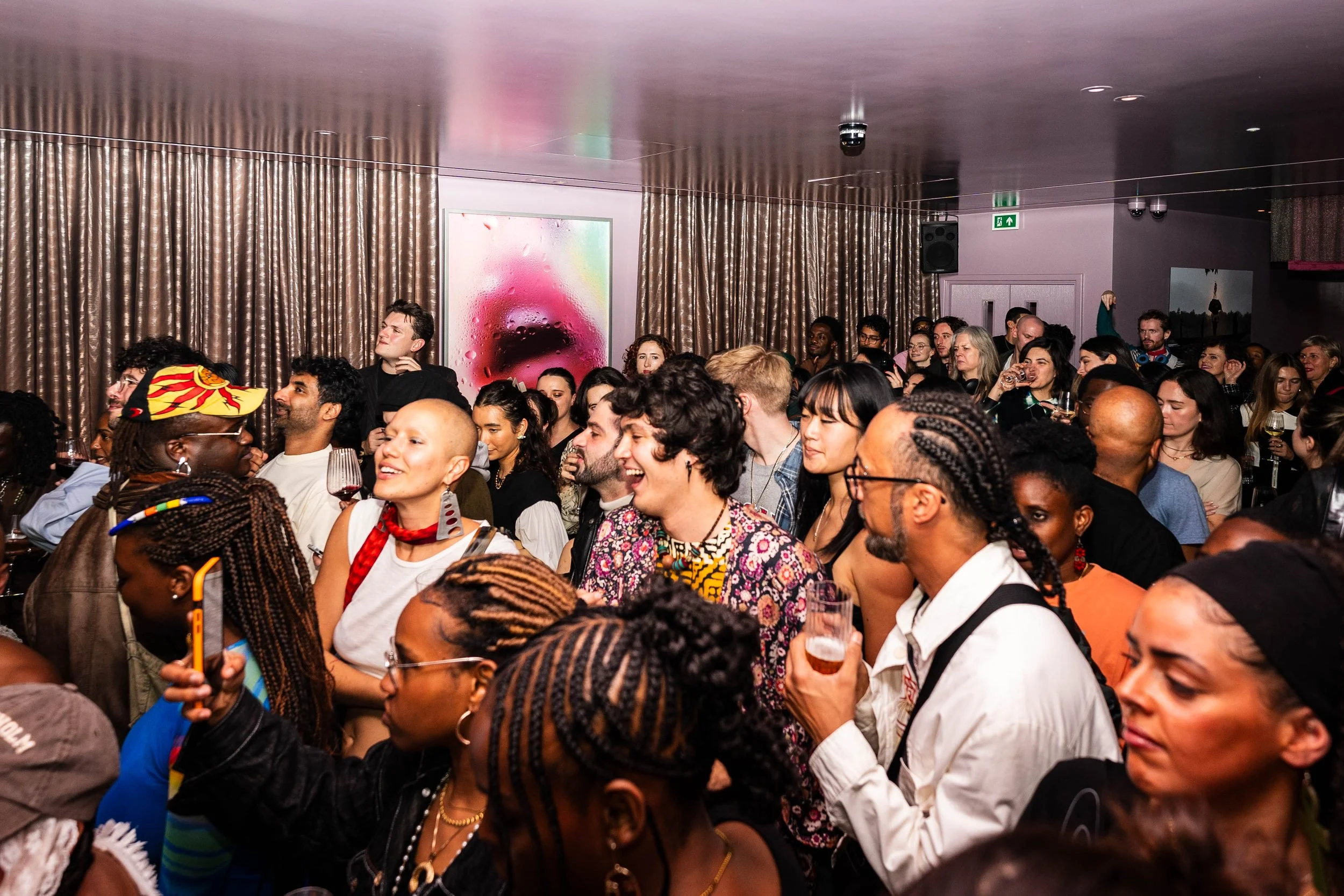
Jacob Barnes on what the fair model assumes—and what Minor Attractions is trying instead
If you collect art, or want to, art fairs are both a gift and a problem.
You can see more in a day than you’d normally see in months, but everything competes at the same volume, and the conditions aren’t neutral. Layout, pricing, ticketing, VIP systems, even the architecture, shape who shows up, how long you linger, whether you feel comfortable asking a question, and ultimately, what you end up buying.
I wrote about this in my LA Art Week debrief, and I’ve been thinking about it even more since. That’s why I’m excited to share this conversation with Jacob Barnes, founder of Season 4 Episode 6 and co-founder of — a London “cultural programme” that currently takes the form of a hotel-format fair with free entry, heavy programming, and a deliberate refusal of the sterile white-booth maze.
I wanted to talk to Jacob because he’s unusually direct about those mechanics without getting cynical. We talked about what the fair model assumes, what “success” actually means for galleries, and how to stay human when you’ve seen 10,000 artworks in a week.
What I keep coming back to is how the current art-world system, from museums to blue-chip galleries to high-end fairs, leaves most people out. Minor Attractions feels like a real attempt to reset the norms and ask a more interesting question - what if the art world was designed to be fun again, so more people could actually enter it?
Below is our Q&A, lightly edited for clarity.
When you say the established art fair model runs on assumptions that aren’t as likely anymore—what are the 2–3 assumptions you’d name first?
I would say the idea that fairs are primarily economic events, or that what drives any fair is the capacity to do business is outdated. Of course, we want all of our galleries to sell work and to make money, but when considering the audience, buying work may be just one part of a broader experience, or may be a complementary factor to a different experience.
I think an art fair needs to be viewed a little more holistically — how are people having a good time beyond simply doing business? More than that, how can people who didn’t enter the building expecting to buy art — or who had never thought about buying art — see that practice as one that resonates and interlocks with other industries, mediums, and passions?
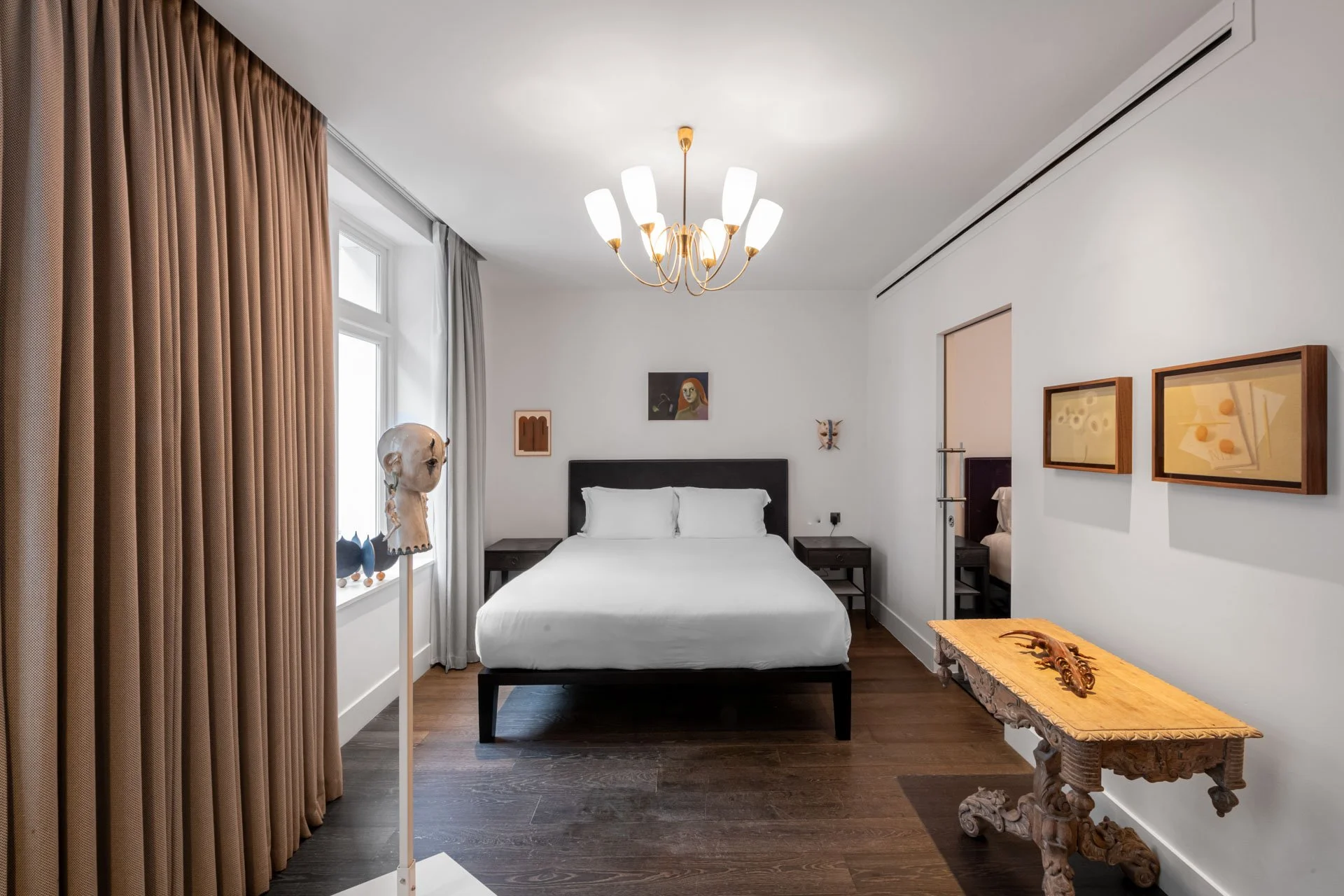
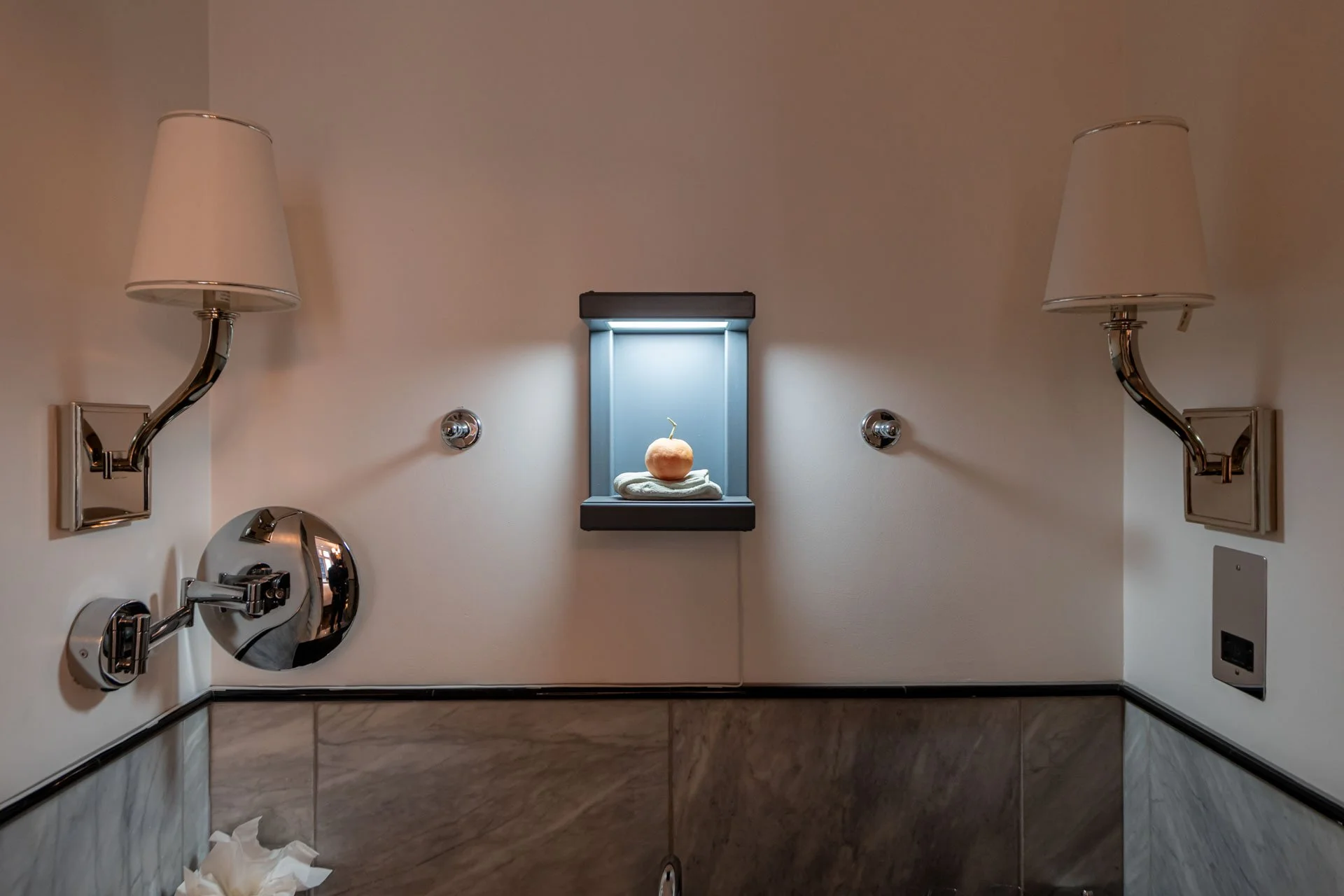
Additionally I would say that I resent the notion that the best way of presenting work is in a white-walled booth. We’ve all had enough of it, and no one I talk to actually likes it, but we keep doing it — why?
You’ve pointed out that the fair model assumes things like cheap real estate, gallery liquidity, and an expanding collector base, but that’s not how it plays out. What does it actually look like on the ground?
It goes without saying that a successful fair will be different for different people depending on their needs and expected outcomes — there can never be one set metric of success. I also can’t answer this question without noting that a successful fair includes strong sales for our galleries; it would be very difficult to run an art fair if we didn’t think through that lens.
However, beyond that, I think a successful fair for galleries pairs affordability with access: Can you, for a reasonable price, get your name and your artists’ names out there and into the mouths of the right people? But beyond that, can you reach new audiences that may have previously been unavailable? With regard to my fair, Minor Attractions, we really find our purpose in exposing new audiences to rising artists and galleries.
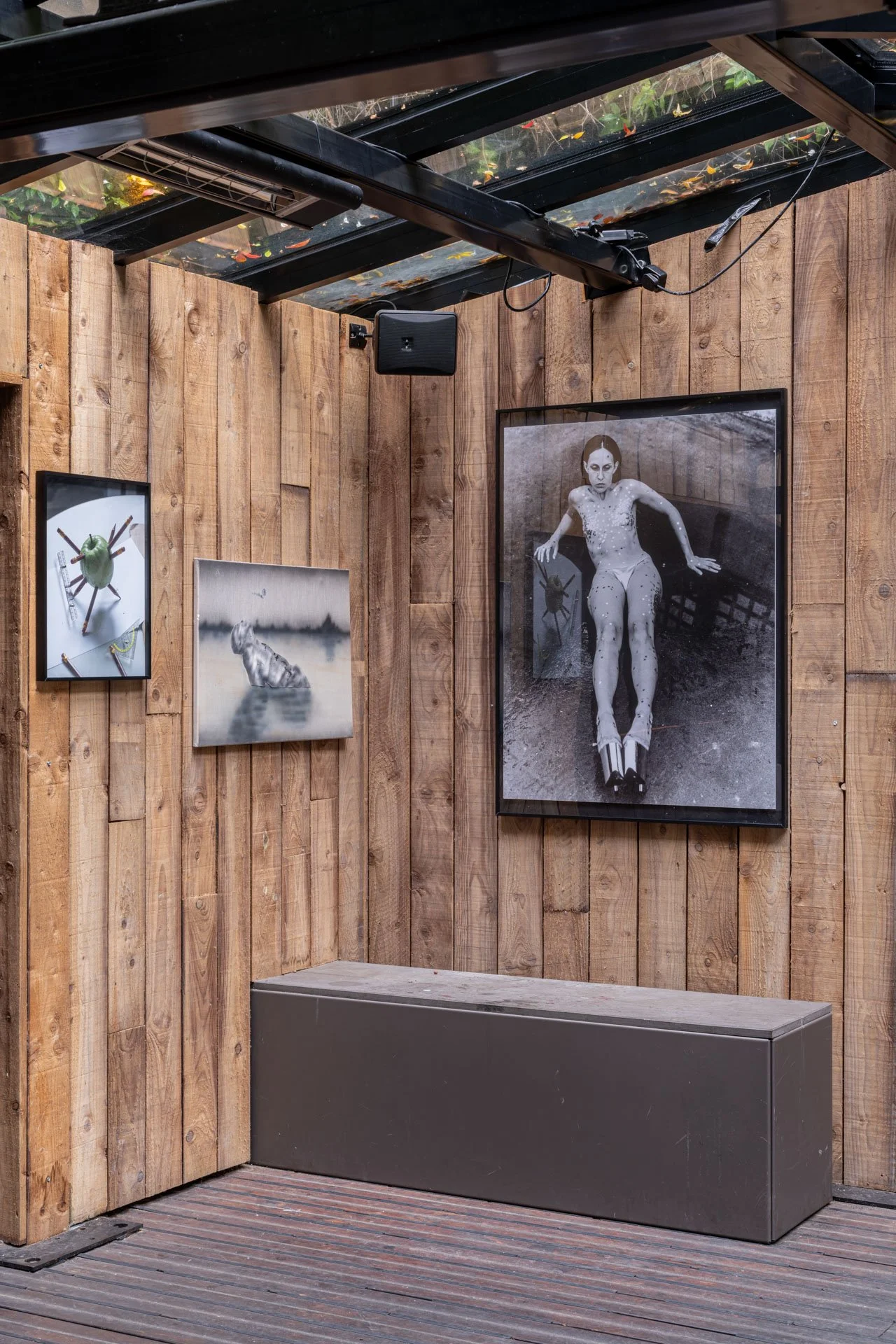
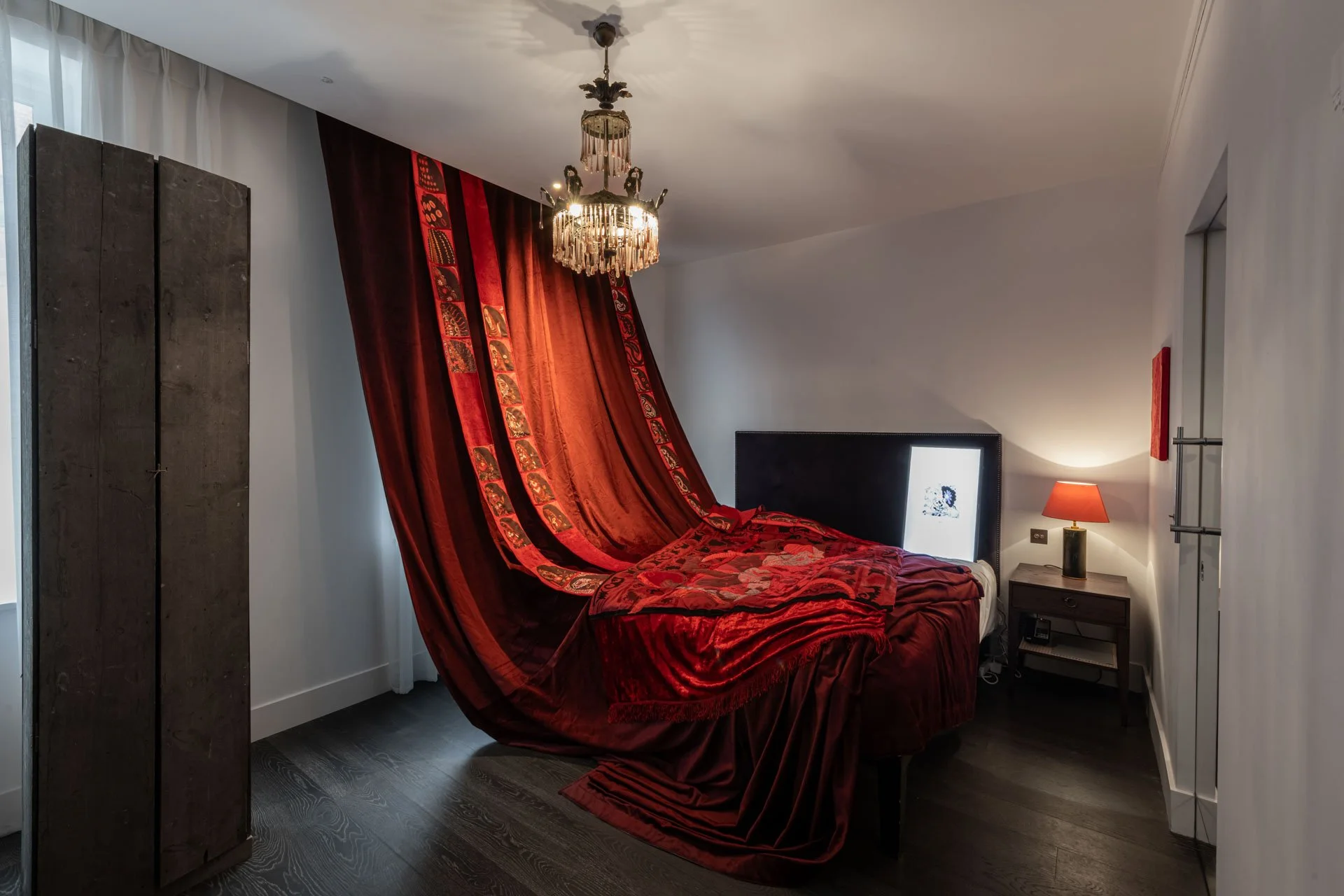
Minor Attractions uses a hotel format rather than a booth maze. You’ve said it’s not about a sterile white-cube space—it’s about making an experience. What does “experience” mean to you without drifting into spectacle, and what does this format make possible for galleries/viewers that the traditional model doesn’t?
Well, a little spectacle never hurt! But, yes, we never want spectacle to come at the expense of quality. But it’s about showing people things that they find exciting and engaging, creating new and exciting curatorial opportunities, and connecting new audiences — the range of programming that we have brings in a bunch of people who might not have otherwise gone to an art fair, and so that is a real benefit for galleries, I think.
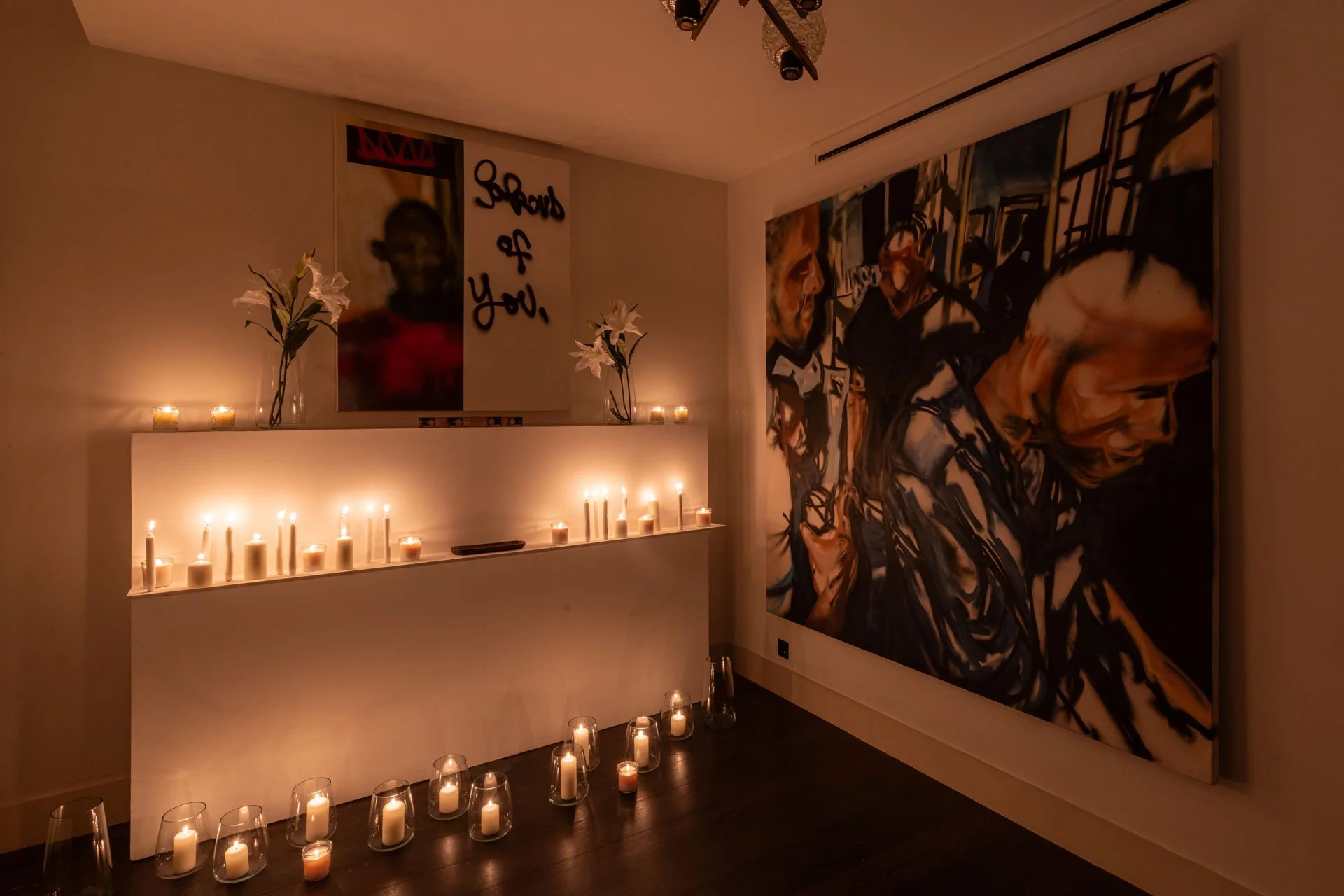
Free entry is a real stance. What does removing the ticket price change and how do you keep the fair economically real without recreating the same old incentives?
It just creates opportunity for people. We work to reflect the best of emerging London culture, and part of that is understanding that some of the next generation of artists, musicians, etc. might not be able to afford tickets right now. So why keep them out?
Regarding the economics, it definitely invites critical thinking, but by expanding our audience we’re also able to partner with projects that align with our vision and see themselves reflected in the audience we have.
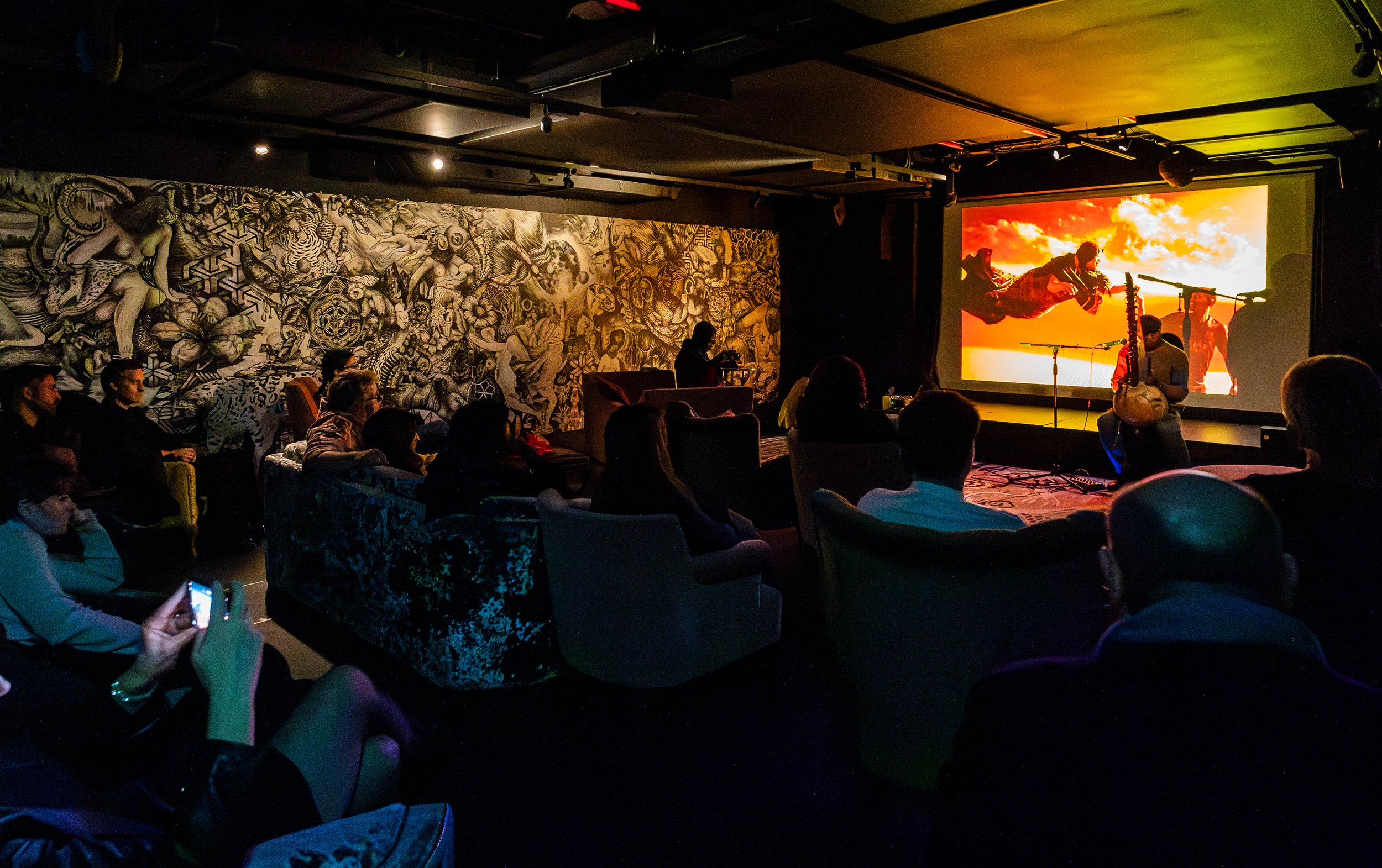
Programming (performances/film/radio/parties) can get dismissed as “vibes,” but it feels central to your model—almost like infrastructure. What role does it play in building a healthier fair ecosystem?
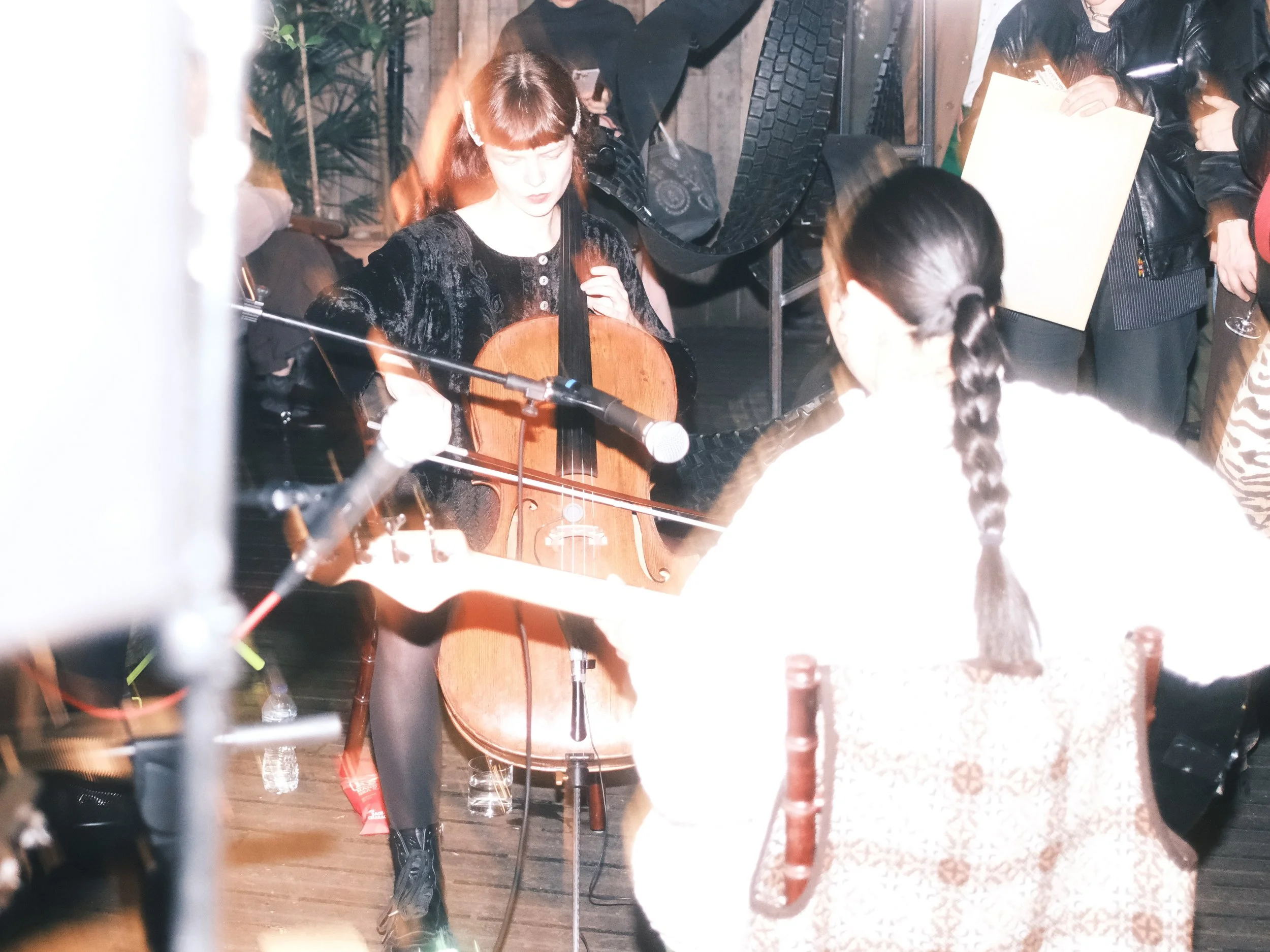
I’ve been adamant that Minor Attractions is not an art fair — instead we’re a Cultural Programme that finds its current realization in an art fair. The distinction is important: these “additional elements” are introductions to other areas of interest for us, while being inroads for people in those communities to enter into our world.
I think of advising as sensemaking + access (not just “what looks good” or “what’s an investment”). In your view, what’s the healthiest role advisors/consultants can play in the fair ecosystem—and where does it go off the rails?
I think advisors need to better understand the intersection of art (and art collection) and lifestyle. Maybe thinking of an advisory as an opportunity to help people navigate how they want to express themselves, who they want to support, and what kind of communities they want to be in is a healthy start. While I balk a little bit at the resurgence of “patronage” as a concept, the best artists have varied influences and communities, and advisors can help parse that.
You’ve said growth is the nature of it. So—what are 2–3 concrete signals that tell you Minor Attractions is working? What does “good” look like?
Good is working when:
Artists and galleries feel genuinely seen and represented, and they feel able to successfully reach their target markets.
We’re getting a meaningful mix of audiences in — from seasoned collectors to people who’ve never been to an art fair before.
We’re making it financially accessible for everyone involved, without compromising on quality or ambition.
Collectors see 10,000 artworks in a week during fairs and everything is fighting for attention. What’s your advice for staying human at a fair—seeing clearly, filtering noise, and buying with conviction?
People typically know what they want the moment they see it and become dissuaded — at best because they’re busy, or at worst because people in their ear tell them what they’re “supposed” to like. This is fun: be curious, ask questions, and trust your gut.
One reason I keep returning to conversations like this is that they make something visible - fairs are more than marketplaces, they are filters. They decide who enters, what counts as “serious,” what kind of attention gets rewarded, and what kind of work can land.
My hope is that more fair models start naming their assumptions out loud and then design around the world as it actually is (and can be).
Thanks to Jacob for the candor and insight. Minor Attractions returns October 13–17 in London during Frieze Week. You can follow along here.
Images: Courtesy of Minor Attractions (The Mandrake Hotel, London). Shared by Jacob Barnes.